What happened
Three AI healthcare companies—Pfizer (market cap US$152.7b), Tempus AI (US$9.4b), and Stryker (US$130.1b)—have been highlighted as stocks positioned to use data and algorithms to help doctors work faster and more accurately. Pfizer is leaning on AI-powered R&D and cost savings of about US$9.7b through 2029; Tempus AI links genomic diagnostics, clinical data, and software to feed new tests into its models; Stryker is deploying robotics and AI-assisted virtual care platforms in surgical and hospital settings.
Why it matters
With global bond yields high and borrowing costs rising, capital is flowing toward companies that can raise productivity rather than just cut expenses. AI healthcare stocks fit that pattern by helping medical professionals work more efficiently—a concern when every dollar needs to work harder. The sector offers both growth potential and valuation appeal in a cost-conscious environment.
What to watch
Pfizer faces headwinds including patent expiries, heavy debt, and expected revenue decline, though it offers a 6.42% dividend yield and P/E below peers. Tempus AI is unprofitable but analysts expect movement toward profitability within three years, supported by FDA-approved tests and an AI tool pipeline. Stryker's premium valuation and high debt hinge on execution quality following its 2026 cyberattack.
Summaries like this, in your inbox every morning.
The article positions three AI healthcare companies as beneficiaries of a broader shift in investor capital allocation. As global bond yields remain elevated and borrowing becomes more expensive, investors are prioritizing companies that can boost productivity—raising output or quality per dollar spent—rather than those merely cutting costs. This backdrop favors healthcare technology firms that augment medical professionals' speed and accuracy through data and algorithms, a capability all three companies claim.
Pfizer, the largest by market cap at US$152.7b, is the most established but faces structural headwinds: patent expiries, heavy debt, and projected revenue decline. The company is attempting to offset these pressures through AI-powered research and development alongside nearly US$10b in cost savings by 2029, plus a pipeline of new products in oncology, vaccines, and obesity treatment. Its 6.42% dividend yield and below-peer P/E ratio appeal to income-focused investors, yet the dividend is described as "not well covered," signaling dividend safety concerns. Tempus AI, by contrast, operates at much smaller scale (US$9.4b market cap, US$1.4b revenue) but occupies a central position in AI-driven diagnostics and precision medicine. Its "data flywheel"—where each new genomic test feeds back into improving its models—creates a compounding advantage if the business reaches scale. However, it remains unprofitable and carries significant debt alongside high insider compensation and recent insider selling. Stryker, the third player at US$130.1b market cap, sits at the intersection of surgical robotics and hospital digitization, with strong operational metrics including record Mako robotic installations and improving margins. Yet its premium valuation and high debt load suggest expectations are stretched, and execution recovery following a 2026 cyberattack will be critical. Across all three, the article emphasizes that the AI productivity narrative is compelling but incomplete without close attention to balance sheet risks, valuation, and execution quality.
Pick your industry and the AI tools you use, and get news related to your work every day.
Free · 30 seconds with Google · unsubscribe anytimeWhat is AIToday? →
Ask AI anything about this article. The AI reads this article, earlier AIToday articles, and Wikipedia, and cites its sources. Q&As are published on this page for other readers too.
In Q2, billionaires or their funds sold six 'Magnificent Seven' AI stocks
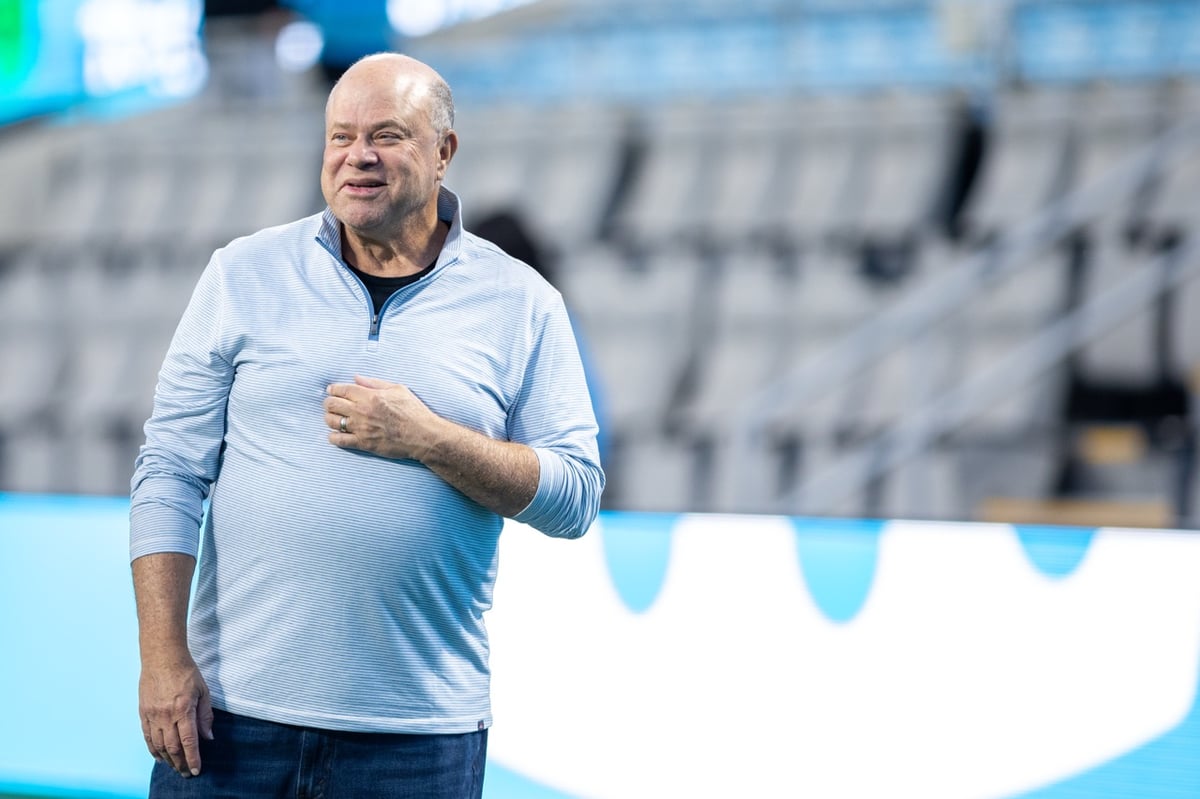
Nvidia was rising early Friday, even as the wider chip sector kept falling, Barron's reported
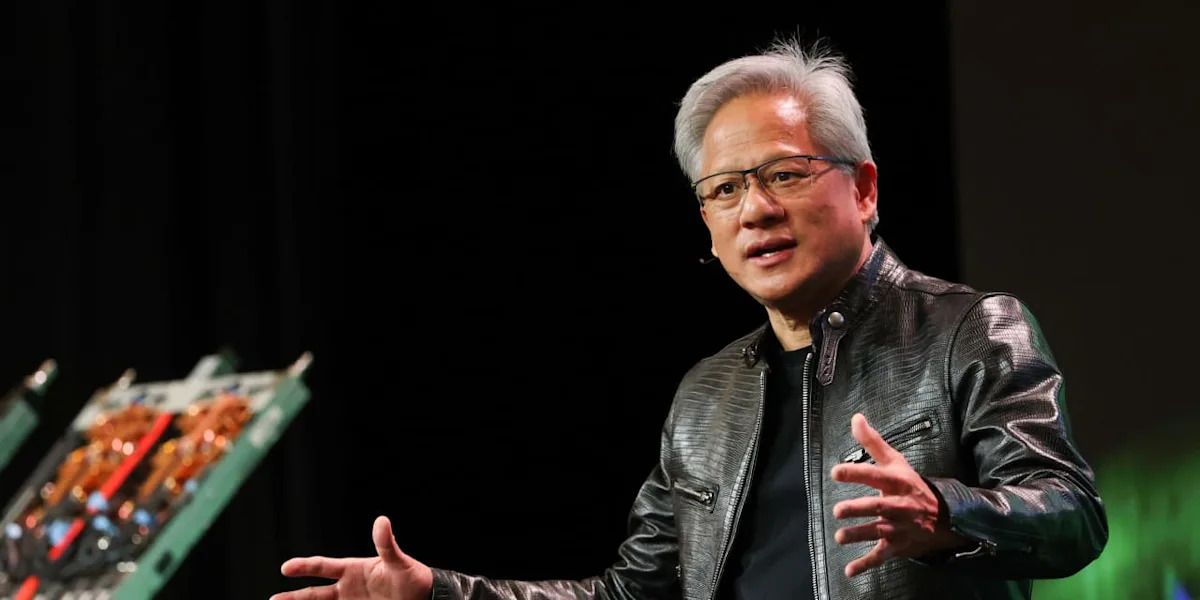
TSMC reported about NT$763.1b in Q3 net profit and confirmed that demand for advanced processors is running ah…

Nvidia-backed CoreWeave steadied Thursday after a sharp slump, as investors worried about the debt financing b…
CoreWeave, a fast-growing Nvidia-backed cloud provider, saw its stock and bond prices fall sharply in a sell-o…
Broadcom introduced VMware HyperArmor for VMware Cloud Foundation and showcased high speed AI networking with…