What happened
A DokuPro guide on Qiita walks through building a scraping pipeline with Python's requests and BeautifulSoup4, cleaning extracted text, and writing instruction/output pairs into JSONL files for fine-tuning.
Why it matters
The guide treats such a pipeline as a repeatable way to assemble domain-specific training data, while framing legal and ethical care as part of the engineering work rather than an afterthought.
Summaries like this, every morning.
The guide is framed around a familiar pain point: public datasets rarely cover niche domains such as a specific area of Japanese law or a company's internal technical documents. Its answer is to collect that text from the web and reshape it into instruction/output pairs, which is the format fine-tuning workflows commonly expect. The code sample follows that logic step by step, stripping navigation, script, and footer elements before extracting paragraphs longer than 30 characters and writing each record with a source URL. Alongside the code, the guide spends most of its length on operational risks: terms-of-service review, robots.txt, request spacing, IP blocking, dynamic JavaScript content, brittle HTML selectors, authenticated sites, storage design, and personal-data regulation. That balance suggests the author sees scraping less as a one-off script and more as a maintained pipeline whose legal and ethical footing matters as much as its parsing logic.
Pick your industry and the AI tools you use, and get news related to your work every day.
Free · 30 seconds with Google · unsubscribe anytimeWhat is AIToday? →
Ask AI anything about this article. The AI reads this article, earlier AIToday articles, and Wikipedia, and cites its sources. Q&As are published on this page for other readers too.
The author fed the 'desired candidate profile' text from 145 job postings to Claude, turned the extracted labe…
Researchers de-duplicating leak-site data say alleged ransomware attacks reached nearly 3,000 over the summer…

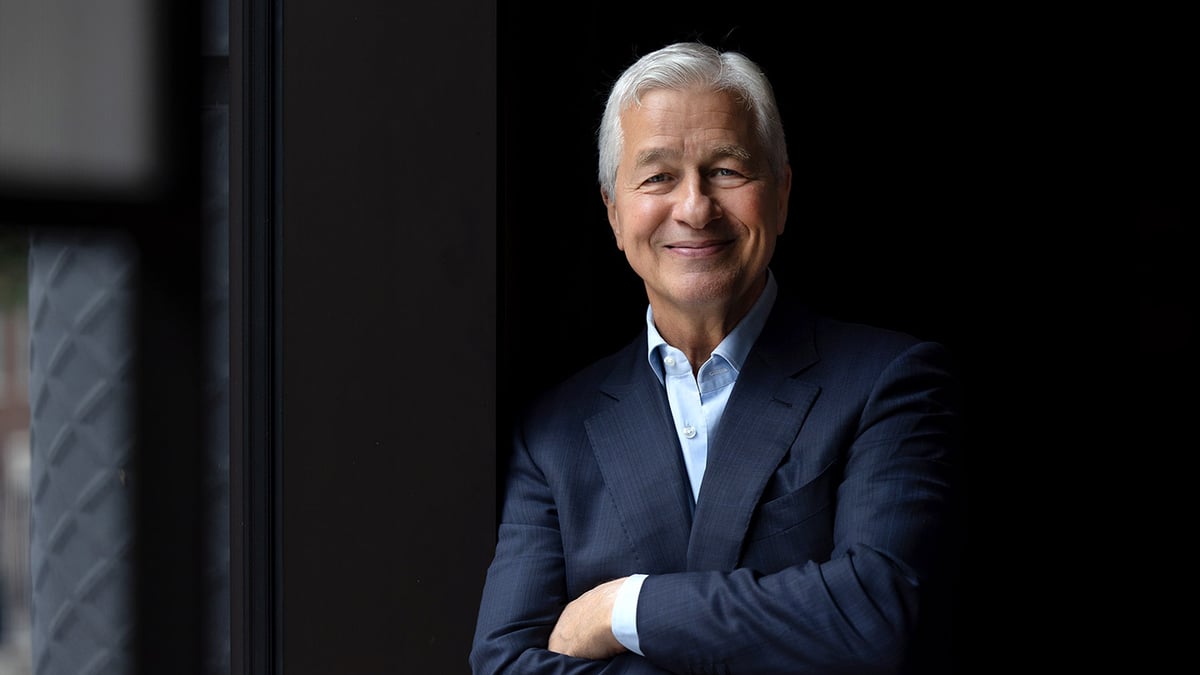
Jamie Dimon said JPMorgan Chase is "not gonna allow just any" outside AI agent inside the company, warning "Yo…
OpenAI is dissolving its standalone robotics team and folding researchers into the main research team under Ch…
Jacob Coxon, a former OpenAI and Anthropic researcher, cited an Anthropic IPO roadshow slide showing pre-train…

Internal data first reported by The New York Times show only 42% of Alpha School students met its goal of lear…