What happened
Alphabet reported quarterly earnings that exceeded analyst expectations on Wednesday, though the company's spending has doubled year-over-year. Tesla, by contrast, reported weaker-than-expected earnings and its shares fell after missing the trajectory toward CEO Elon Musk's forecasted $25 billion(約4兆円) in 2026 capital expenditure.
Why it matters
Alphabet's results mark the first major test of whether investors will tolerate the record capital expenditures tied to the AI boom when those investments have yet to generate clear, measurable returns. Tesla faces the opposite pressure — investors worry it is not spending enough on AI to meet its own stated ambitions.
What to watch
How investor patience with high AI spending evolves as more tech firms report earnings. Tesla's ability to close the gap to its $25 billion(約4兆円) 2026 capex target will signal whether the company can convince shareholders its AI strategy is viable.
Summaries like this, in your inbox every morning.
Alphabet's earnings beat demonstrates that the company can still deliver strong financial results despite a substantial increase in capital spending. However, the timing of these results is significant: they represent the first major test of investor tolerance for the elevated AI spending that has characterized the tech industry. The core tension is whether the large sums being deployed for AI infrastructure will eventually translate into measurable business returns, a question that remains unresolved.
Tesla's situation illustrates the inverse problem. Rather than facing scrutiny for spending too much, the EV maker is being penalized by markets for potentially spending too little on AI relative to its own stated ambitions. The gap between Musk's $25 billion(約4兆円) 2026 capex forecast and Tesla's current trajectory signals to investors that the company may lack the conviction or resources to fully commit to its AI strategy, resulting in an immediate market reaction and share price decline.
For example, today's edition would include:
AI-summarized, only the topics you pick — one digest a day via Email, Slack, or Discord.
Free · 30 seconds with Google · unsubscribe anytimeWhat is AIToday? →
Ask AI anything about this article. Q&As are published on this page for other readers too.
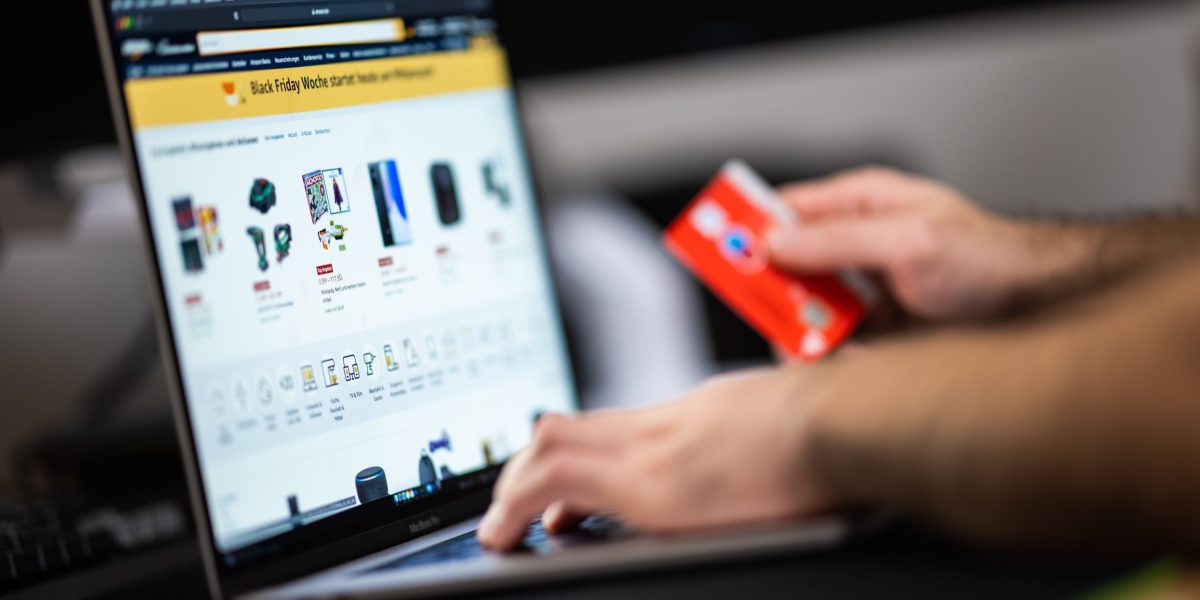
Mastercard rolled out a payment option Thursday that gives an AI agent a virtual card to buy online without ch…
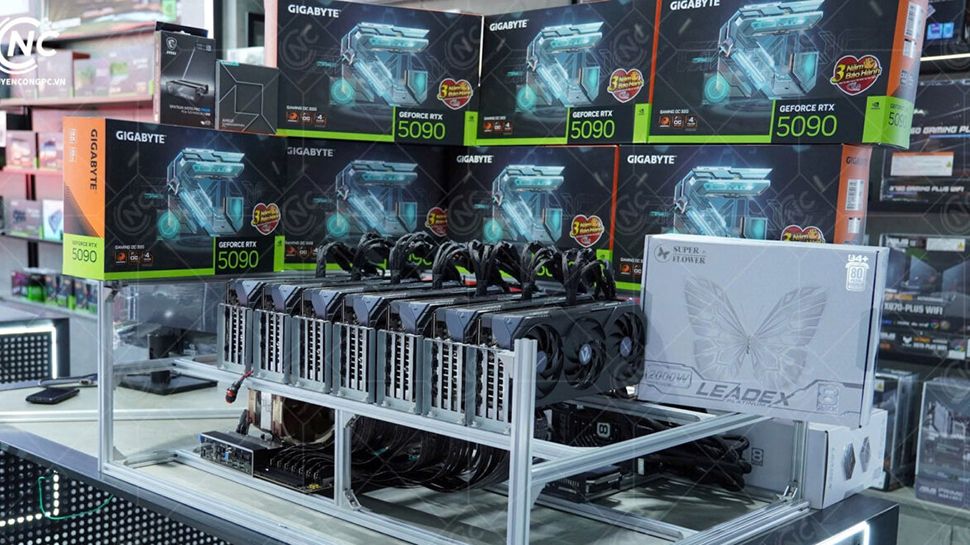
The RTX 5090, launched at $1,999, now costs over $6,000 at US retailers, with third-party listings above $9,00…
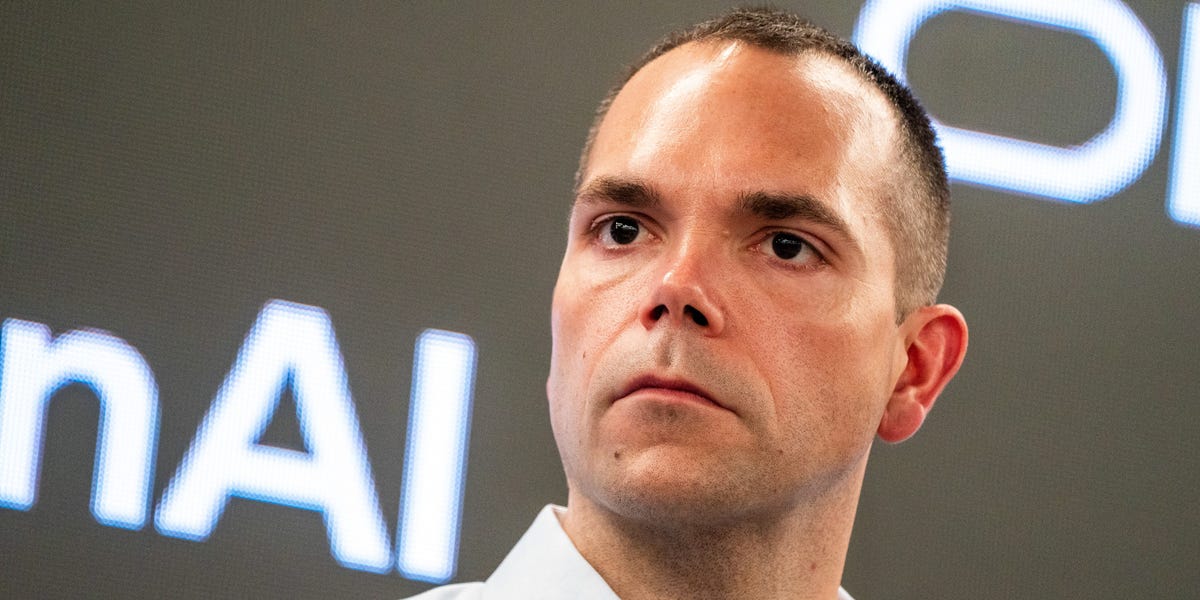
Palantir CEO Karp spoke bluntly in the AI risk debate, saying aloud what the article frames as the quiet part

Co-CEO Clay Magouyrk said Oracle last year hadn't found broad internal use for generative AI; after rolling ou…
Twist Bioscience signed an agreement to provide antibody characterization data and services to Eli Lilly's AI/…
At the AWS Global Meeting on September 17, Chief AI and Technology Officer Matt Wood named Trainium for comput…


