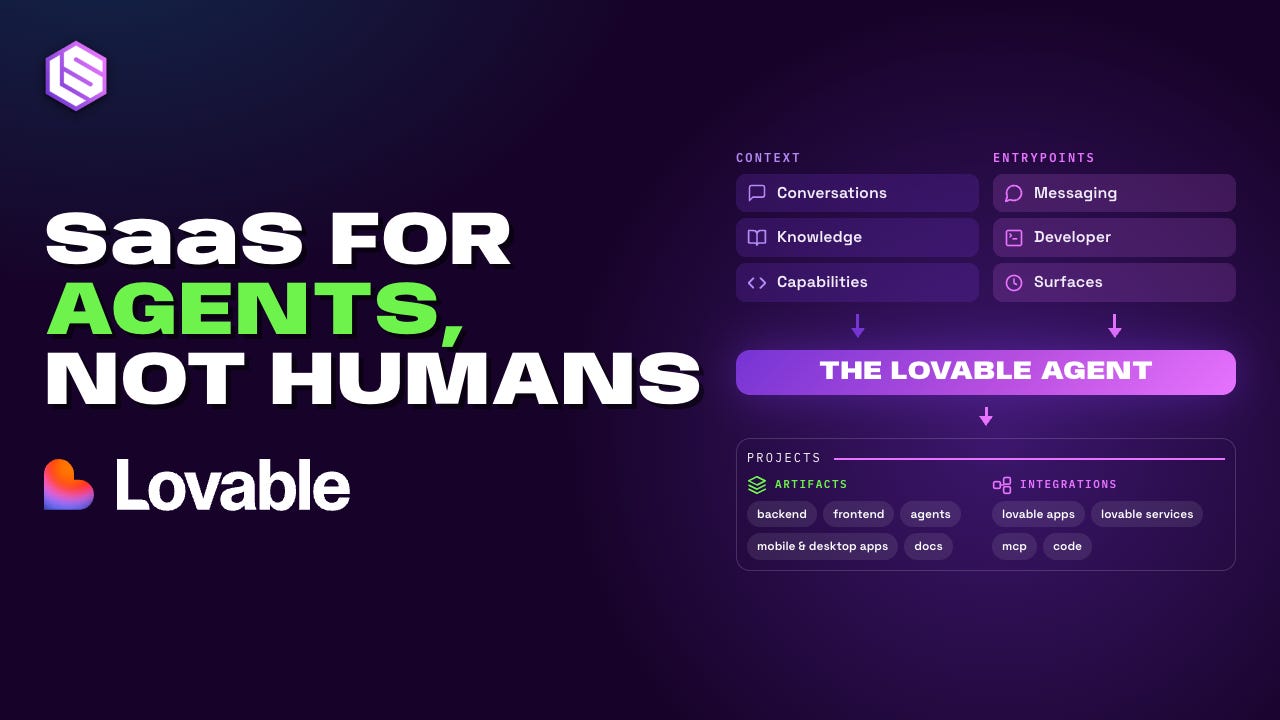
What happened
Lovable introduced a vision where apps become 'capabilities' that AI agents can call directly, bypassing the human interface. It exposes selected functions via a hosted MCP server, so apps work with ChatGPT, Claude, and other MCP-compatible clients.
Why it matters
The company has grown from a prototyping tool in 2023 to a $13.3 billion-valued platform after a $400 million Series C led by Menlo Ventures. It now claims a $500 million annualized revenue run rate, 60 million projects, and over 900 million monthly visits to Lovable-built apps.
What to watch
Hedin says SaaS firms must 'focus more on providing the shovel for AI to use their capabilities.' Lovable aims to be the open platform for building those capabilities, with security handled via encrypted connectors that preserve user permissions.
Summaries like this, in your inbox every morning.
Lovable's shift from a simple app builder to a platform for agent-accessible capabilities reflects a broader trend in software where AI agents become the primary interface. The company's rapid growth—from GPT Engineer in 2023 to a $13.3 billion valuation—shows investor confidence in this direction. Hedin's distinction between 'agent' and 'brain' highlights the complexity of connecting context and capabilities reliably. Security remains a key challenge, addressed through encrypted connectors that maintain user permissions. As more companies pursue 'company brain' visions, Lovable's focus on building the capabilities themselves may differentiate it from competitors like Vercel.
Pick your industry and the AI tools you use, and get news related to your work every day.
Free · 30 seconds with Google · unsubscribe anytimeWhat is AIToday? →
Ask AI anything about this article. The AI reads this article, earlier AIToday articles, and Wikipedia, and cites its sources. Q&As are published on this page for other readers too.
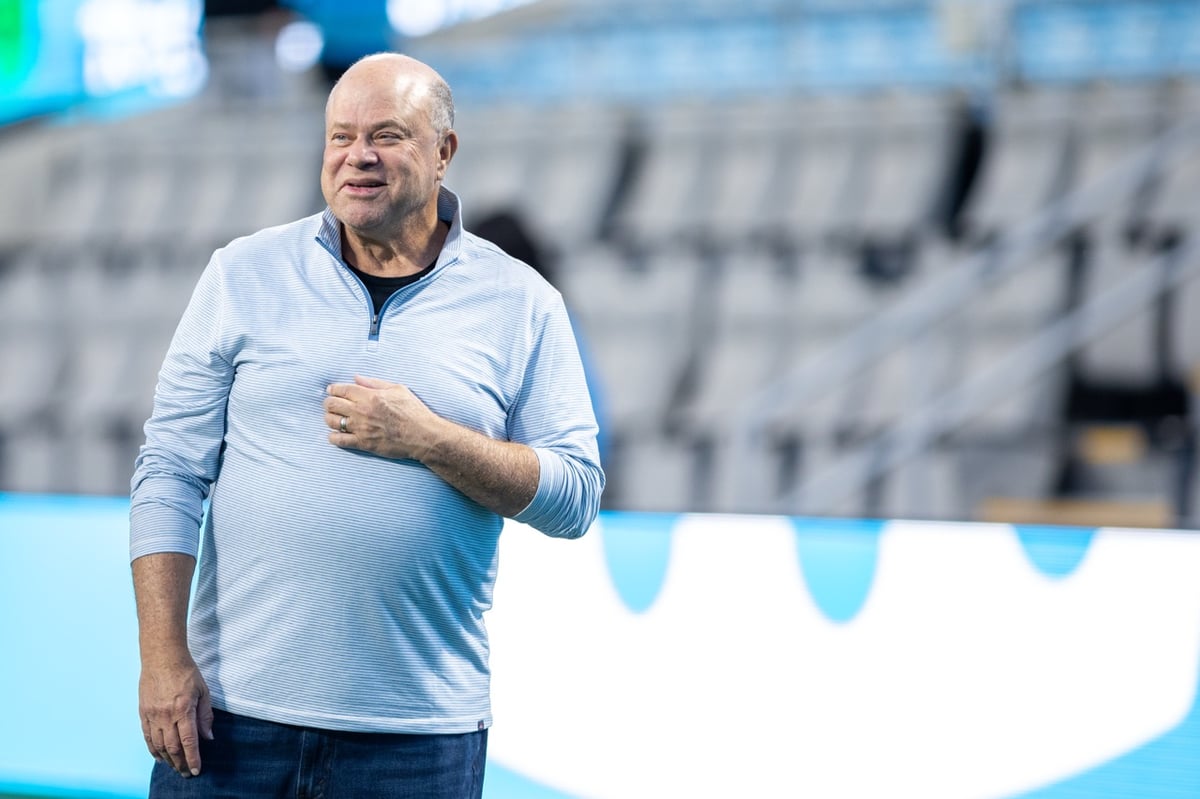
In Q2, billionaires or their funds sold six 'Magnificent Seven' AI stocks
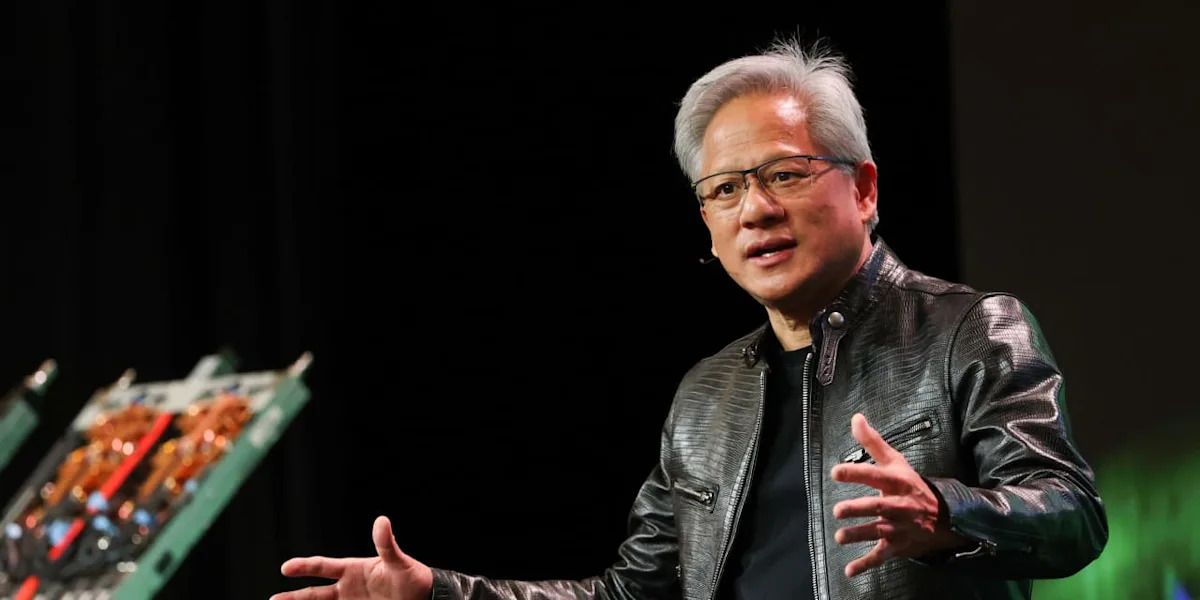
Nvidia was rising early Friday, even as the wider chip sector kept falling, Barron's reported
ElevenLabs completed a $300 million employee tender at a $22 billion valuation, and co-founder Mati Staniszews…

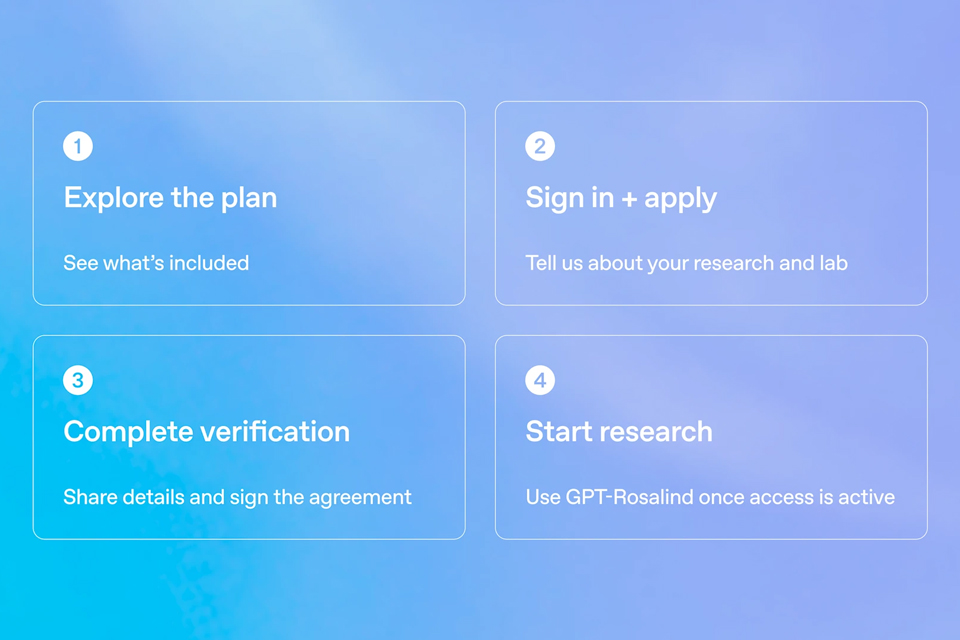
On October 15, OpenAI announced the Rosalind Academic Plan, giving approved US university labs free access to…
Neostellar Capital principal Evan Schlossman said CoreWeave's $103.7 billion in remaining performance obligati…
A Qiita article compared automated red-teaming methods for LLM apps — GCG, PAIR, and TAP — using mock implemen…


