
What happened
ZEALS and Timee announced a partnership on August 27, 2026, to create a new work category called "data collection spot work," where people gather real-world data needed for training physical AI like humanoids.
Why it matters
Physical AI requires data from real human behavior, not just digital data, to learn how to interact with people and objects. The companies aim to collect this data through a spot-work model, similar to how Timee matches workers with short-term jobs, which could help advance humanoid development in Japan.
What to watch
The partnership plans to cover tasks like in-facility guidance and customer service, product delivery, and assistance for elderly staff. They will also design a privacy-conscious operational framework, clarifying data collection scope and purpose, and adding masking as needed.
Summaries like this, in your inbox every morning.
The partnership between ZEALS and Timee marks an early step toward building a workforce for physical AI development in Japan. ZEALS, known for its compact humanoid robot "D1," will handle the definition of data collection and the design of tasks, while Timee will manage recruiting workers and operating the platform. This division of labor leverages Timee's existing spot-work infrastructure, which matches workers to short-term jobs, to create a new category of gig work focused on data collection.
The move responds to a growing need for real-world data in training physical AI, as digital data alone is insufficient for robots that must interact with humans and objects in dynamic environments. The article notes that similar data collection businesses are already emerging in the US and China, suggesting Japan is catching up. The partnership also emphasizes privacy, with plans to clarify data collection scope and purpose, and to apply masking as needed, which could help build trust among workers and the public.
Looking ahead, the success of this initiative could influence how humanoid robots like D1 are trained and deployed. ZEALS aims to commercialize D1 in settings such as cafés, retail, and hotels, targeting 100 units in fiscal 2026. Whether this spot-work model becomes a standard for data collection in robotics remains to be seen, but it represents a concrete attempt to address a key bottleneck in physical AI development.
Pick your industry and the AI tools you use, and get news related to your work every day.
Free · 30 seconds with Google · unsubscribe anytimeWhat is AIToday? →
Ask AI anything about this article. The AI reads this article, earlier AIToday articles, and Wikipedia, and cites its sources. Q&As are published on this page for other readers too.
In Q2, billionaires or their funds sold six 'Magnificent Seven' AI stocks

Nvidia was rising early Friday, even as the wider chip sector kept falling, Barron's reported
ElevenLabs completed a $300 million employee tender at a $22 billion valuation, and co-founder Mati Staniszews…

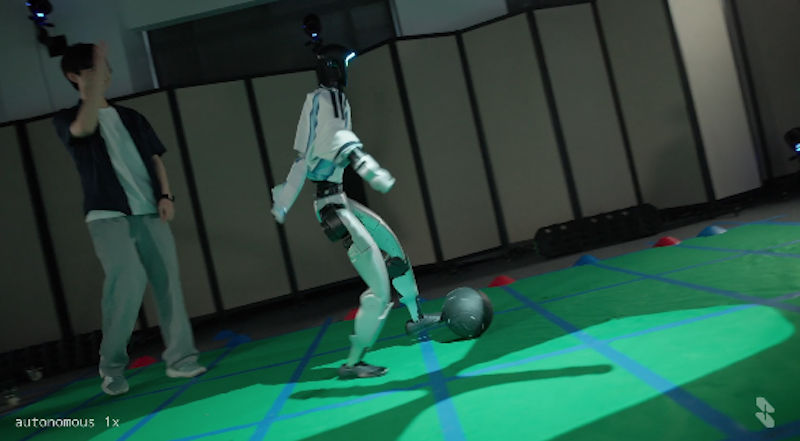
Skild AI used Nvidia Isaac Sim to give its S1 model one objective — score a goal — and let it compete against…
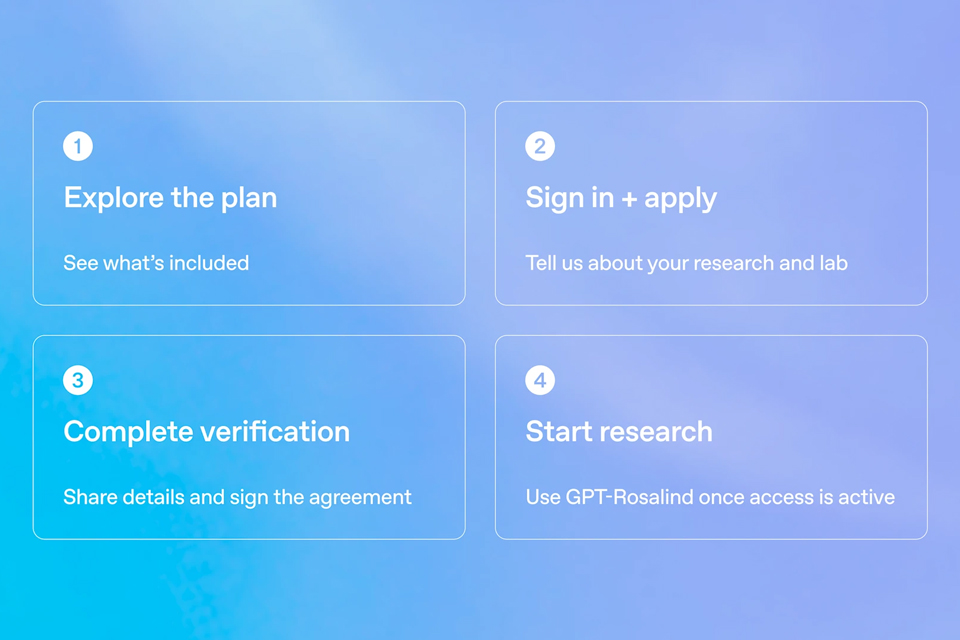
On October 15, OpenAI announced the Rosalind Academic Plan, giving approved US university labs free access to…
Neostellar Capital principal Evan Schlossman said CoreWeave's $103.7 billion in remaining performance obligati…