What happened
In a Google blog post summarizing the video "The Agent Factory" on Sept 25, 2026, Ryan Lopopolo defined an agent as an LLM plus a harness — Google Antigravity around Gemini 3.8 Flash, for example — and said harness engineering preempts "writing prompts and praying."
Why it matters
If the harness around a model is built well, engineers can skip long prompts, because the model pulls the context it needs and handles complex tasks in large codebases without human supervision — the point of the practice.
Summaries like this, every morning.
The post draws a line between two ways of getting more out of coding agents: coaxing the model with better prompts, or changing the environment it works in. Lopopolo, who says he has not opened a code editor since May 2025 and now works through natural language and judges pull requests and documents against organizational standards, argues the second path is the durable one. He recommends "shifting left" — moving intervention earlier, to repository documentation, linters, tests and evaluations — so standards live in the environment rather than in each request.
That logic also explains Google's advice against over-building a custom harness. Standard harnesses already ship primitives such as file reading, grep search and command execution, so effort is better spent on tool and context quality, which stays useful as new models arrive. Lopopolo adds that a task a model failed six months ago may now be within reach, making fixed model-specific procedures a risky bet.
The demonstrations put that into practice. Jacobson's closed-loop harness feeds failing test logs and stack traces back into the agent's working memory and repeats until tests pass, capped at 5 iterations to avoid infinite loops and rising execution costs. Sumita Kauran of Google argues heavy reasoning models are not always required, pointing to a balance across model, harness and knowledge layers — with the Google Skills repository, holding over 100 domain packages, as an example of injecting accurate context on demand.
Pick your industry and the AI tools you use, and get news related to your work every day.
Free · 30 seconds with Google · unsubscribe anytimeWhat is AIToday? →
Ask AI anything about this article. The AI reads this article, earlier AIToday articles, and Wikipedia, and cites its sources. Q&As are published on this page for other readers too.
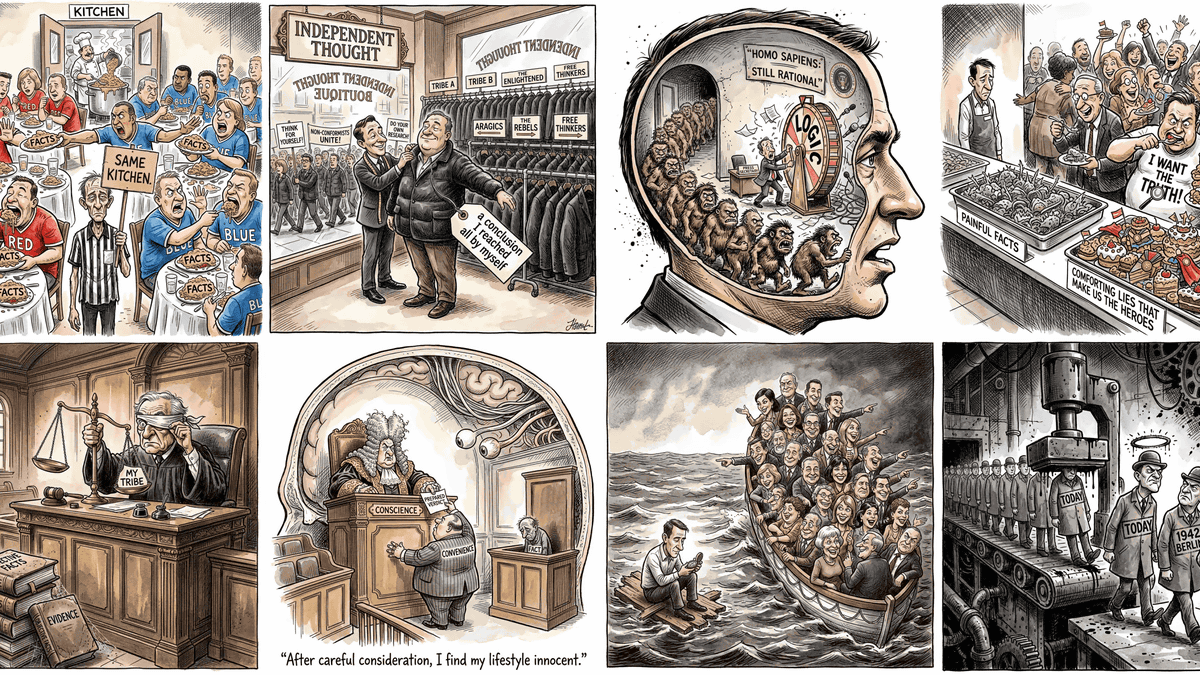
ModelCompare asked 12 AI models three times each for their most controversial view of humans; all 12 gave the…
The explainer cites Anthropic's definition of an agent as an LLM that dynamically decides its own process flow…

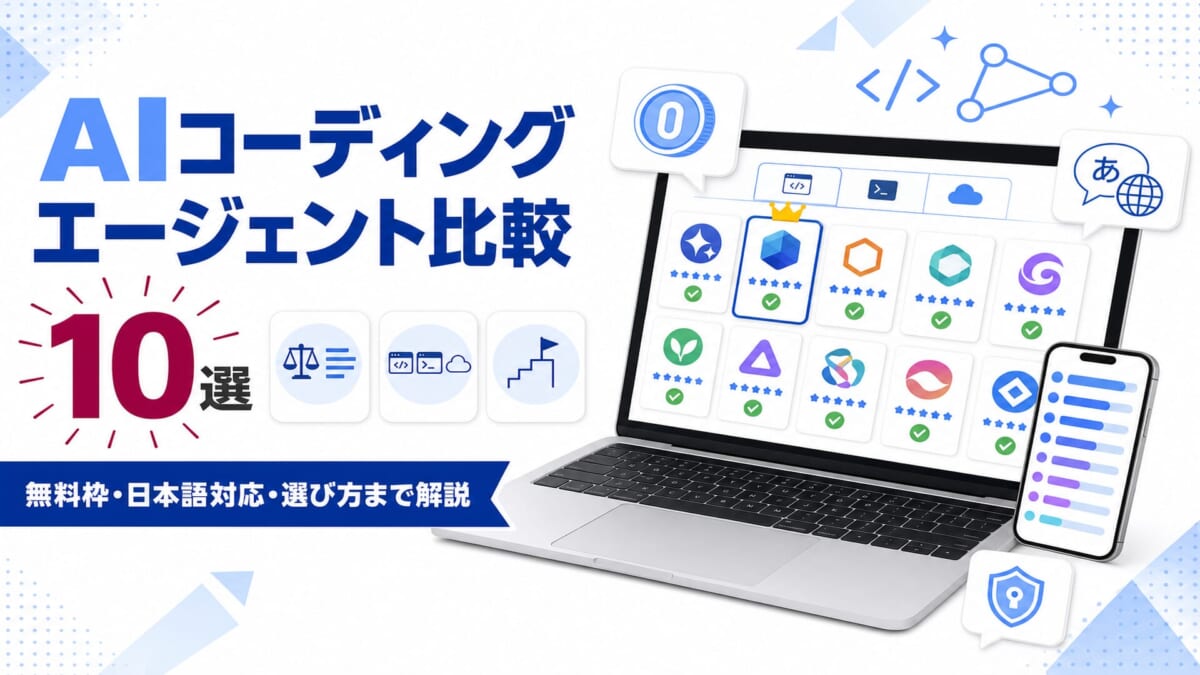
An AINOW comparison of ten AI coding agents as of October 2026 cites IDC Japan data showing AI-led code genera…
Tech Mahindra announced a collaboration with AI coding platform SpaceXSI, aimed at helping global enterprises…

OpenAI said GPT-6.1 Sol scored 86.6% on its COBOL migration benchmark at a low reasoning setting, versus 5.4%…

In a measured test on Ollama 0.40.4 for Windows 11, the qwen2.5:0.5b model (936 MB in ollama ps) stayed on the…