What happened
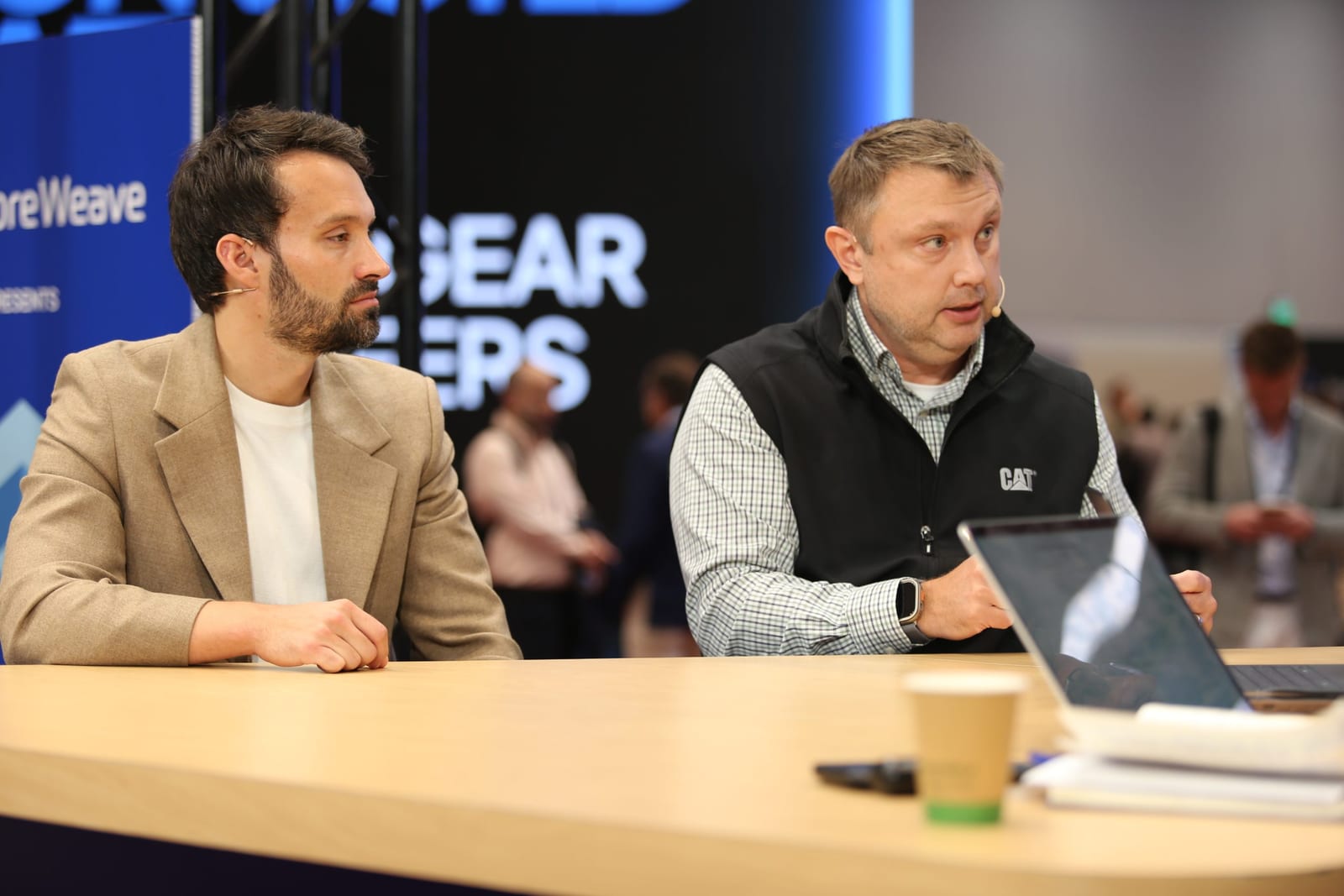
Caterpillar and CoreWeave, working with Nvidia, use AI models to annotate and label incoming field data from construction machines, cutting a process that took months or weeks down to hours, Caterpillar's Brandon Hootman said.
Why it matters
A same-day feedback loop means field data can reach simulation and training environments during the workday, which matters for adapting autonomy from structured mine sites to unstructured construction sites.
What to watch
The 18 petabytes Caterpillar has collected so far is, in Hootman's words, "just a drop in the bucket" versus what training physical AI for a construction site takes, so the gain hinges on how well the loop scales.
WHO IT HITSConstruction equipment makers and their technology partners gain a faster path from machine data to trainable AI models, while the cloud and data center providers serving them face demand for more storage and different infrastructure, per CoreWeave's Richard Ahlfeld. The bottleneck shifts toward operators and domain experts who must keep feeding and labeling that data.
Summaries like this, in your inbox every morning.
The push into physical AI lands in a construction market where demand for new data centers, power plants and highways is fueling a boom even as the industry deals with declining productivity and a shortage of skilled machine operators. Caterpillar's answer draws on its years of autonomous equipment experience in mining, but as Brandon Hootman describes it, mining and construction are polar opposites: a mine site, once instantiated, does not change frequently, while construction requires matching a structured system to an unstructured environment.
What makes the pairing with CoreWeave notable is the data problem underneath. Caterpillar's digital ecosystem already holds about 18 petabytes of federated data from machines, dealers and customers, yet Hootman calls that just a drop in the bucket compared with what is needed. A single machine can produce terabytes of Lidar, camera, multi-second control and performance data in a given day. CoreWeave, which named Caterpillar among its enterprise customers in its second-quarter results announcement, brings graphics processing unit capacity and applied expertise, plus a recently launched Physical AI Field Engineering service that embeds its engineers with customers' domain experts. Ahlfeld frames physical AI as an entirely different beast that requires a lot of storage and different infrastructure.
The payoff the two describe is speed: annotation and labeling that once took months or weeks now happens in hours, with the loop into simulation or training closing inside the workday. Whether that holds up likely hinges on how well the approach copes with the far more variable construction setting, and on whether the data pipeline keeps pace as more machines come online. Equipment makers, cloud providers and the operators supplying that field data are the parties whose work this reshapes.
Pick your industry and the AI tools you use, and get news related to your work every day.
Free · 30 seconds with Google · unsubscribe anytimeWhat is AIToday? →
Ask AI anything about this article. The AI reads this article, earlier AIToday articles, and Wikipedia, and cites its sources. Q&As are published on this page for other readers too.
An online seminar, 【オンラインセミナー#31】, will feature Honda developer 竹中透 discussing the traces left by the P2 and A…

SOMPO Holdings set AI risk governance in March 2025, requiring risk assessment and model output testing for gr…
Canon began offering a new support service for home inkjet printers that uses a monitoring function and genera…

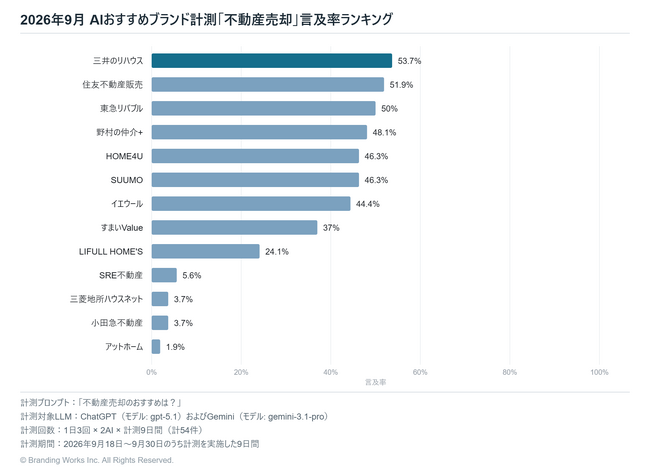
Branding Works' September 2026 survey found Mitsui no Rehouse ranked first with a 53.7% mention rate, followed…
Exa Enterprise AI began offering "Exabase AI for JA" today, with more than 30 AI agents built for the work of…

SoftBank ran an "AI information training" session for elementary school students, teaching them not to believe…