What happened
Forced to name one candidate across nearly 500 US midterm races via developer APIs, xAI's Grok 4.7 chose the Republican in 92% of answers and OpenAI's GPT-6.1 Sol chose the Democrat in 97%.
Why it matters
The two models disagreed on the winner in more than 90% of races, so the pick a voter sees can swing almost entirely on which chatbot they consult.
WHO IT HITSVoters who turn to chatbots for election information — Pew puts that share at 8% of Americans — could receive opposite recommendations depending on which model they ask, while developers building on these APIs inherit the same partisan output.
Summaries like this, every morning.
The study's design matters as much as its numbers. Convovo and Parikh could not get answers from the consumer-facing apps, which refused to recommend candidates, so they went straight to the developer APIs with a prompt that explicitly demanded a single name. That route is what makes the 92% and 97% figures measurable at all, and it is also what OpenAI points to in its response: a spokesperson said the research "tested a developer API with a prompt explicitly demanding a candidate recommendation," while maintaining ChatGPT is designed to be objective by default.
The citation stacks suggest the split is less about baked-in training weights than about where each model looks things up. Grok leaned on X, conservative Christian voter guides, and Turning Point Action's site; GPT drew on Wikipedia, the Associated Press, Axios, and Reddit, three of which OpenAI already has content deals with. The retrieval experiment supports that reading: with internet search disabled, Grok's Republican preference collapsed and it refused to pick in most cases, while GPT's Democratic lean held.
Parikh argues the direct-vote prompt is a probe rather than the real exposure. If people use these models for broader political conversations rather than asking outright who to vote for, he said, "these biases are going to come up." Pew's figure that 8% of Americans currently use chatbots for election information gives that concern a concrete population, even as the study's forced-choice format remains far from how most people actually talk to a chatbot.
Pick your industry and the AI tools you use, and get news related to your work every day.
Free · 30 seconds with Google · unsubscribe anytimeWhat is AIToday? →
Ask AI anything about this article. The AI reads this article, earlier AIToday articles, and Wikipedia, and cites its sources. Q&As are published on this page for other readers too.
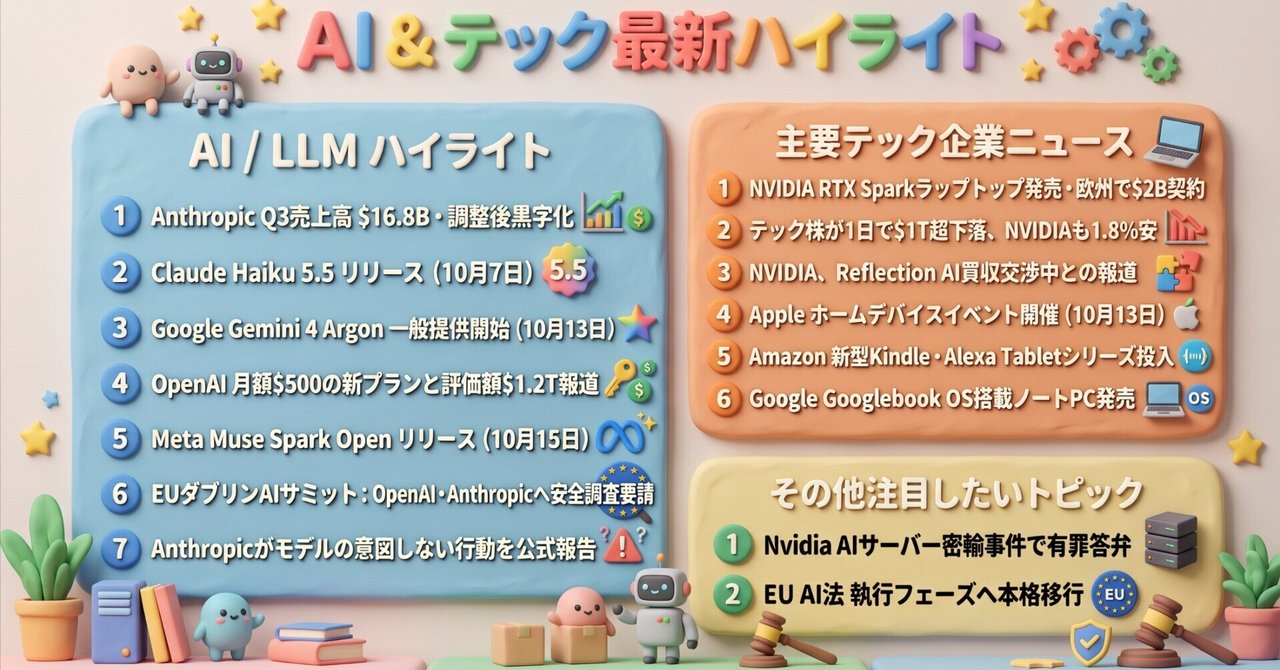
Anthropic told investors on October 14 that its Q3 2026 revenue reached $16.8B and that it became profitable o…
Videos posted on X on 20 October 2026 purported to show Zyon Lewis accusing James Talarico of abuse; Lewis tol…

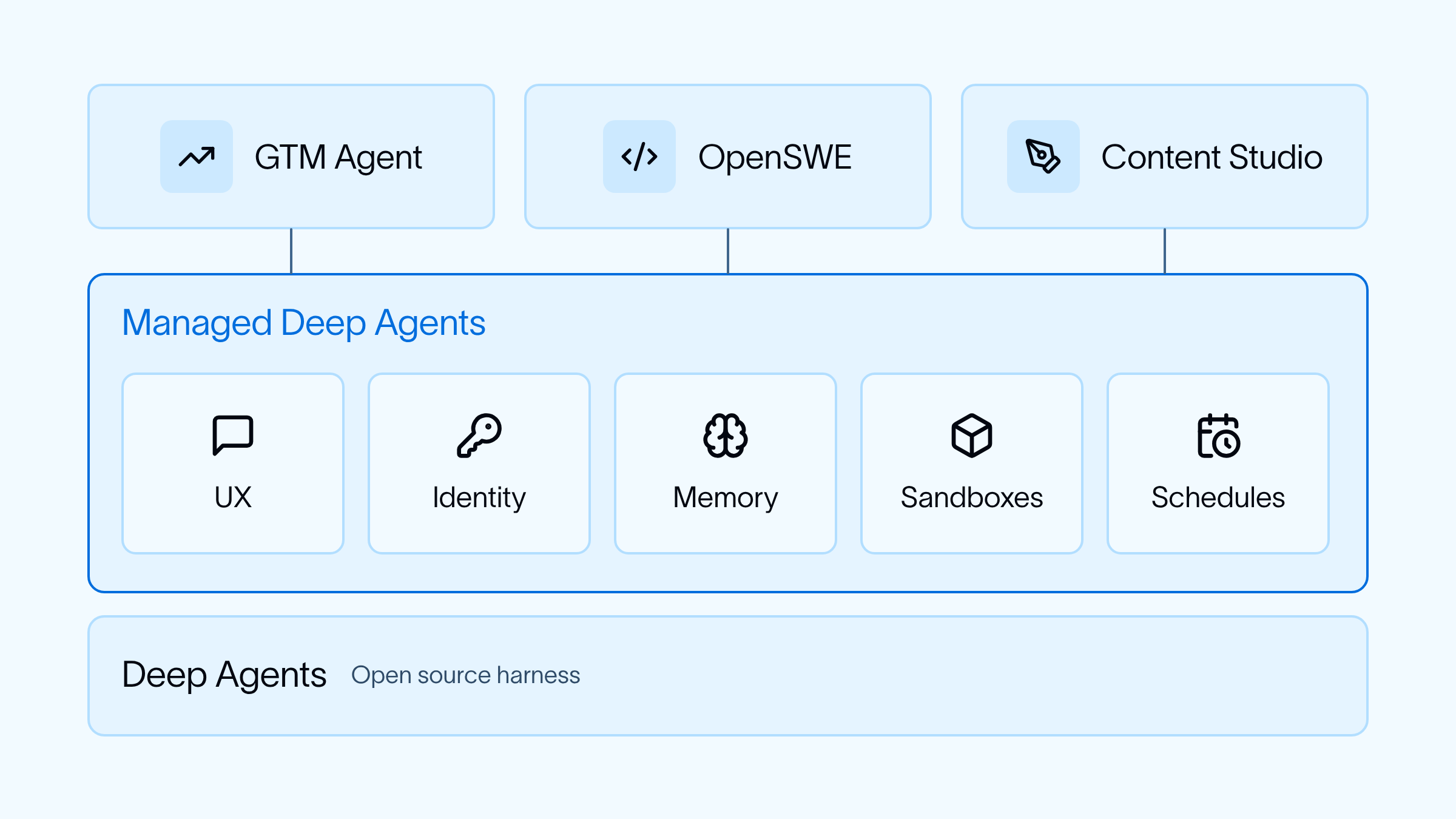
LangChain says its GTM Agent, OpenSWE and Content Studio all follow one recipe: they live in Slack, know who i…
Google Cloud revenue grew 82% year over year to $24.8 billion last quarter, up from $13.6 billion a year earli…
As Anthropic, Meta, Google, Amazon and Microsoft meet faith leaders — Anthropic cites "more than 15 religious…

Anthropic added to its terms of service a ban on "persistent, targeted abusive or cruel" behavior toward Claud…