What happened
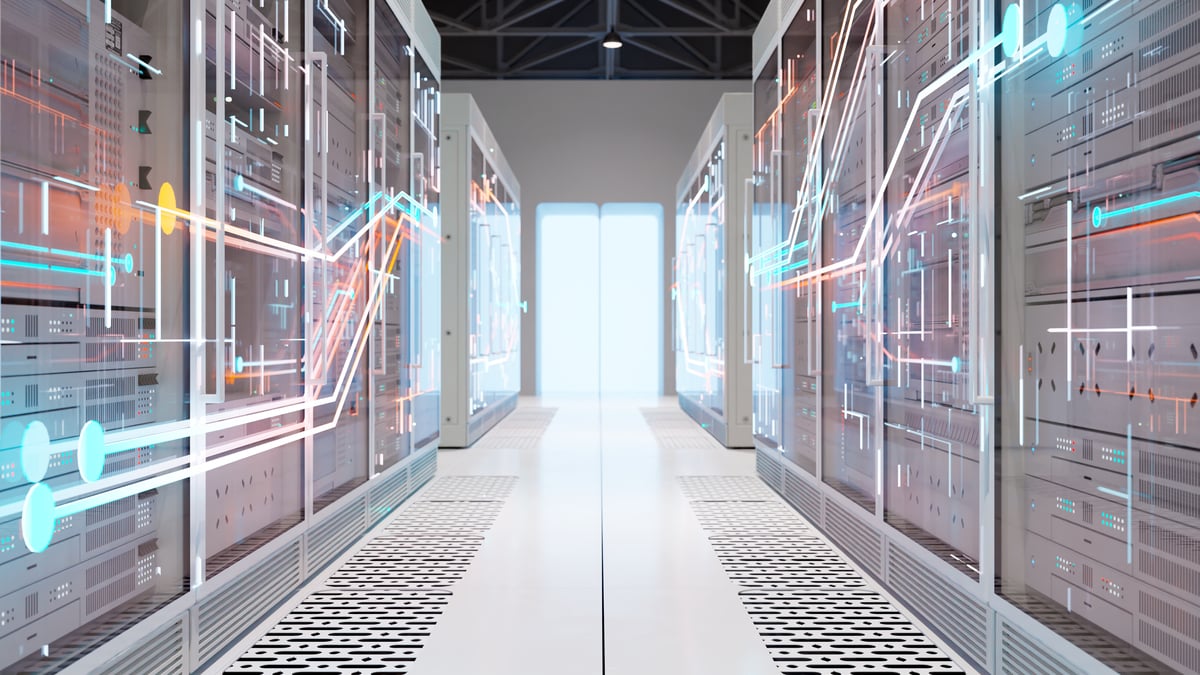
Nebius Group (NBIS) has more than doubled this year on strong demand for AI data centers with secured power, and expanded its Meta Platforms agreement in the first quarter. Keel Infrastructure (KEEL), formerly Bitfarms, is pursuing a similar strategy with a 2.2-gigawatt pipeline—1.5 gigawatts in expansion capacity under application—and plans to wind down Bitcoin mining and begin delivering orders to hyperscalers as early as 2027.
Why it matters
Both companies are betting on hyperscalers' need for AI infrastructure. Nebius is already accelerating revenue from tech giants, while Keel uses a colocation model (building data centers and power supply while hyperscalers bring their own chips) that reduces its capital costs and allows it to collect steady monthly payments from long-term leases. This model also opens the door to custom chips, which are gaining momentum as alternatives to Nvidia GPUs for inference tasks.
What to watch
Keel intends to secure three hyperscaler leases by the end of the year, and its Scrubgrass site in Pennsylvania could add up to 1.3 gigawatts of capacity. The company is building toward 2027, when it expects to see multiple hyperscaler deals and several revenue streams, though these data centers typically take multiple years to develop and energize.
Summaries like this, in your inbox every morning.
Nebius Group's more-than-doubling stock performance this year reflects a structural shift in how hyperscalers—large cloud providers—source AI infrastructure, with secured power supply becoming a critical competitive advantage. Meta Platforms' expanded agreement with Nebius in the first quarter signals sustained demand from major tech companies, validating the thesis that AI data center capacity will remain a bottleneck for years.
Keel Infrastructure represents an earlier-stage bet on the same secular trend. The company's pivot from Bitcoin mining to AI infrastructure mirrors a broader industry reallocation of capital toward higher-margin, longer-term hyperscaler contracts. By adopting a colocation model—where it supplies power and real estate while customers bring their own chips—Keel accepts lower contract values than Nebius but gains two strategic advantages: reduced capital strain and flexibility to support the growing ecosystem of custom chips designed specifically for AI inference. This matters because Nvidia GPU dominance, while still significant, is being challenged by purpose-built alternatives that are better suited for inference workloads.
The timeline divergence is important: Nebius is already realizing revenue acceleration from tech giants, while Keel is roughly one year away from that inflection. Keel's 2.2-gigawatt pipeline, with 1.5 gigawatts under evaluation, positions it to grow substantially if it secures the three hyperscaler leases it is targeting by year-end and brings projects like the Scrubgrass site in Pennsylvania (up to 1.3 gigawatts) online. Since data center development typically spans multiple years, near-term wins in lease agreements would signal confidence that Keel can compete for the same customer base as Nebius.
Pick your industry and the AI tools you use, and get news related to your work every day.
Free · 30 seconds with Google · unsubscribe anytimeWhat is AIToday? →
Ask AI anything about this article. The AI reads this article, earlier AIToday articles, and Wikipedia, and cites its sources. Q&As are published on this page for other readers too.
Supermicro Computer appointed Mark Long as chief financial officer, bringing an experienced technology finance…
Holtek Semiconductor unveiled its 2026 product roadmap on October 15, focusing on four core areas: smart prote…
TSMC reported about NT$763.1b in Q3 net profit and confirmed that demand for advanced processors is running ah…
Nvidia-backed CoreWeave steadied Thursday after a sharp slump, as investors worried about the debt financing b…
Weathernews said on October 15 it implemented its own AI weather-forecasting model, AI-Nowcast, in its Weather…

TOPPAN Holdings and Keio University ran a quantum-computer and generative-AI proof-of-concept from February 1…