What happened
Nucleai announced an ongoing translational research collaboration with Gilead Sciences using AI-powered tissue analytics to support Gilead's antibody-drug conjugate clinical development programs and generate candidate spatial biomarkers across multiple oncology indications.
Why it matters
The partnership positions Gilead to strengthen its precision oncology efforts and potentially sharpen future biomarker-driven trial design—critical as Gilead pivots from its HIV core into oncology, where drugs like Trodelvy and early-stage antibody-drug conjugates are central. Gilead's Q2 2026 results showed a US$10.5 billion quarterly net loss and full-year operating loss guidance, making execution on oncology investments essential to improve profitability over time.
What to watch
The collaboration's ability to translate into faster oncology progress and meaningful profitability gains. Gilead's narrative projects $34.5 billion revenue and $10.8 billion earnings by 2029, though some analysts were already modeling only 4.0% annual revenue growth to about US$33.4 billion, suggesting how much depends on oncology execution.
Summaries like this, in your inbox every morning.
Gilead's investment thesis has long hinged on the company's ability to sustain its profitable HIV franchise while simultaneously building a competitive oncology pipeline. The Nucleai collaboration arrives at a moment when that transition faces real pressure: Q2 2026 results revealed not only a massive quarterly net loss but also full-year operating loss guidance, signaling that the oncology pivot is not yet delivering the profitability lift investors need to justify the company's current valuation and strategy. The partnership with Nucleai fits logically into Gilead's R&D roadmap—using computational pathology to refine biomarker discovery and trial design could accelerate the development of antibody-drug conjugates like Trodelvy and unlock value from the company's cell therapy investments. However, the collaboration is an R&D enabler, not an immediate earnings driver, and the body itself notes it "does not change the nearer term focus on turning oncology spend into progress."
The numbers underscore the stakes. Gilead's own narrative projects $34.5 billion revenue and $10.8 billion earnings by 2029, but some of the most cautious analysts were already modeling only 4.0% annual revenue growth to approximately US$33.4 billion. That range of outcomes suggests the market is deeply uncertain about whether oncology execution will meaningfully improve profitability. The AI-driven ADC collaboration could soften that cautious view—or, conversely, it could highlight just how much execution risk remains. Gilead still faces near-term earnings volatility and policy risks around HIV pricing, making the long-term oncology pivot both strategically essential and operationally vulnerable to unforeseen headwinds.
Pick your industry and the AI tools you use, and get news related to your work every day.
Free · 30 seconds with Google · unsubscribe anytimeWhat is AIToday? →
Ask AI anything about this article. The AI reads this article, earlier AIToday articles, and Wikipedia, and cites its sources. Q&As are published on this page for other readers too.
Chunghwa Telecom president Rong-shy Lin said the shift from conversational AI to autonomous AI agents is resha…
CoreWeave fell 5% in premarket trading Friday and was on track to finish the week down 15%, after rebounding f…
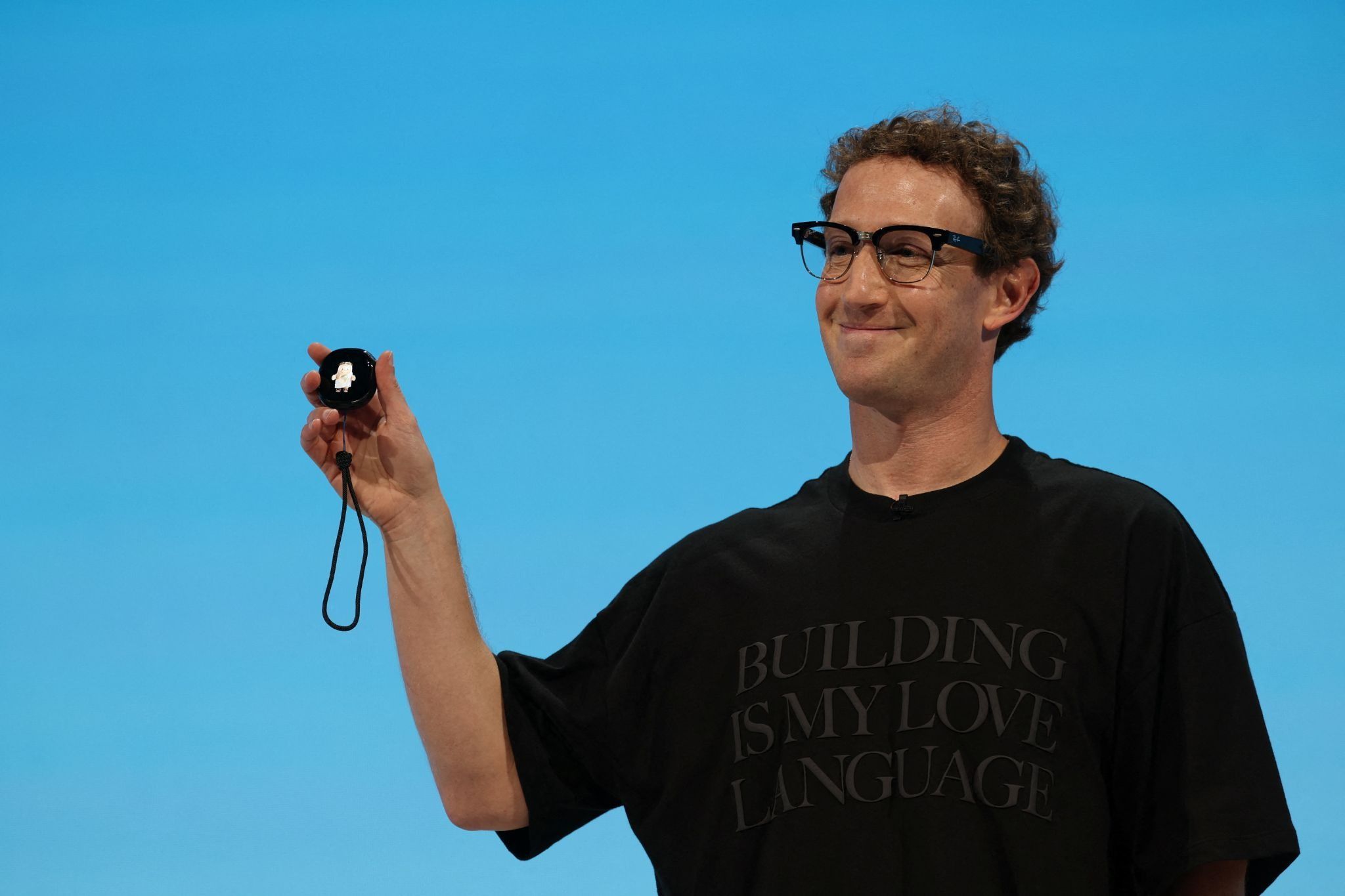
Apple and Meta said they would jointly release a new open-weight AI model designed to run on high-end Macs, ai…
Investors put $38.5 billion into Asian startups in Q3, per Crunchbase data

A longtime Anthropic investor told Fortune he expects shares priced around $1.8 trillion, below the company's…
In Q2, billionaires or their funds sold six 'Magnificent Seven' AI stocks