What happened
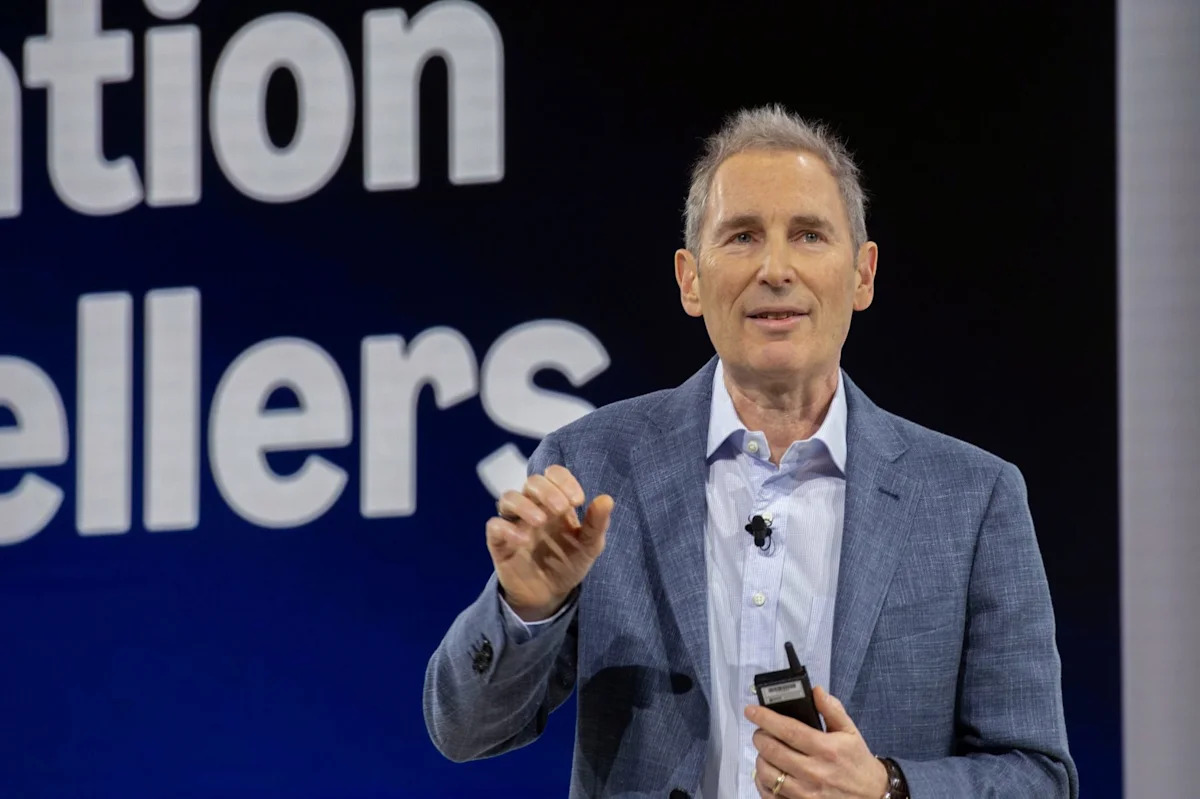
Amazon reported Q2 revenue of $200.6 billion, up 20% year-over-year, with AWS cloud business posting $42.2 billion in revenue, up 37% from a year ago and marking its fastest growth in 18 quarters. CEO Andy Jassy announced the company now expects to spend $220 billion in capital expenditures in 2026, up from a prior estimate of $200 billion, citing higher memory costs.
Why it matters
AWS is now operating at a $169 billion annualized revenue run rate, which would rank it 24th on the Fortune 500 if standalone, and its backlog grew to $496 billion—signaling massive future demand. Despite the spending increase, Jassy stated Amazon still won't "have enough capacity to meet all the demand we have in 2026," a constraint he expects will persist into 2027, suggesting competition for AI infrastructure will remain intense.
What to watch
AWS operating income surged 64% year-over-year to $16.6 billion on a 39.4% margin, up from 32.9% a year ago, and AWS has now delivered five consecutive quarters of accelerating growth. Free cash flow flipped to negative $7.6 billion in Q2, driven by a $66.1 billion year-over-year increase in equipment purchases for AI investments, reflecting the company's heavy commitment to capacity expansion.
Summaries like this, in your inbox every morning.
AWS has emerged as a powerful growth engine within Amazon, now operating at a $169 billion annualized revenue run rate and delivering its fastest growth in 18 quarters. The cloud unit's Q2 revenue of $42.2 billion, up 37% year-over-year, reflects surging demand for cloud and AI services, evidenced by a backlog that swelled to $496 billion. This backlog—representing customer agreements for future revenue—underscores persistent, pent-up demand for cloud infrastructure that Amazon is racing to fulfill.
However, the company faces a structural constraint: even as it dramatically escalates capital spending from $200 billion to $220 billion in 2026, CEO Jassy explicitly stated that Amazon will still lack sufficient capacity to meet demand in 2026 and expects this shortage to persist into 2027. This capacity gap reflects broader industry dynamics in which hyperscalers and cloud providers are committing more than $800 billion across the sector to data center and AI infrastructure buildout, yet demand for these resources continues to outpace supply. The earnings call reveals an industry in which infrastructure scarcity, not demand creation, is the binding constraint—a dynamic that may persist for years despite unprecedented capital deployment.
Pick your industry and the AI tools you use, and get news related to your work every day.
Free · 30 seconds with Google · unsubscribe anytimeWhat is AIToday? →
Ask AI anything about this article. The AI reads this article, earlier AIToday articles, and Wikipedia, and cites its sources. Q&As are published on this page for other readers too.
Hewlett Packard Enterprise stock is down 5% at $55.87
The Motley Fool argues Amazon is the AI company of the two, since AWS was just 21% of first-half 2026 revenue…

Vercel data published Thursday shows TypeSafe AI's Jev, a lightweight decision model for choosing among predet…
Chunghwa Telecom president Rong-shy Lin said the shift from conversational AI to autonomous AI agents is resha…
CoreWeave fell 5% in premarket trading Friday and was on track to finish the week down 15%, after rebounding f…
Apple and Meta said they would jointly release a new open-weight AI model designed to run on high-end Macs, ai…