What happened
AI model prices fell 41% while token usage surged 50% since July, with OpenAI cutting Luna prices over 80% and frontier models' token share slipping from 53% to the mid-40s.
Why it matters
Falling prices with rising use signal that labs no longer compete on benchmark leads alone, so the advantage shifts to platforms that aggregate volume and retain users.
What to watch
The strategy hinges on whether reselling and interface control can offset shrinking margins. Watch whether OpenAI's price cuts and marketplace aggregation keep it near Anthropic in share.
WHO IT HITSAI lab product and go-to-market teams, as well as enterprise buyers choosing among model tiers, face a market where cheaper models and routing tools change how contracts and vendor lock-in are negotiated.
Summaries like this, every morning.
The debate over whether AI labs would become like airlines — high-cost, low-margin businesses with undifferentiated products — dates to early 2025. Over the past month, evidence has mounted that this commoditization is real. OpenAI cut prices on Luna by more than 80% to win share. Frontier models' share of tokens slipped from 53% in August into the mid-40s as companies defaulted to smaller, cheaper tiers. Open source demand shifted from frontier-dominated to medium-and-small tiers. Spending among the top 1% of adopters fell 9.7% in August to $7,205 per employee per month, cooling from its July peak. Decision models like TypeSafe's Jev are winning share of LLM calls at $0.04 per million input tokens, roughly 75x cheaper than standard LLMs for routing, gating, and classification.
The article suggests three strategies for this environment. First, partner: OpenAI announced a partnership with Baseten to resell open-weight models, and Elon tweeted that the Grok bot would use the best model for a task, not just SpaceXSI models. Reselling produces a new, high-margin revenue stream by collecting a toll on products without bearing the cost to serve. Second, control the user interface, because distribution has become the moat. Third, capture user data for intelligent routing and training infrastructure.
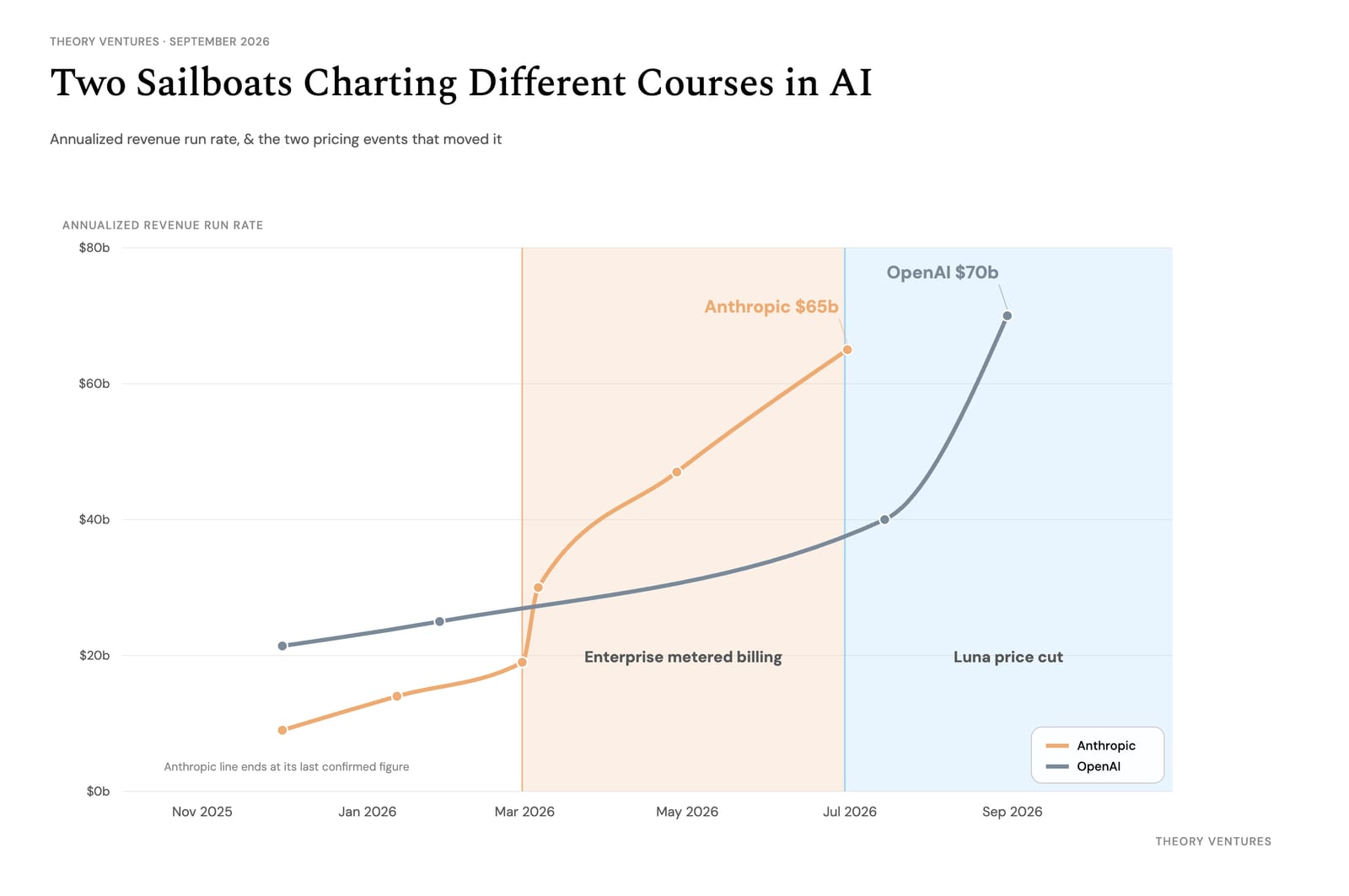
Winning share becomes the only game that matters when aggregate dollar spend cools while token volume compounds. OpenAI's recent surge toward a ~$70b run rate highlights the dynamic: aggressive price cuts and marketplace aggregation allowed it to recapture share within a boat length of Anthropic. In a commoditizing market, the spoils accrue not to the lab with a marginal benchmark lead, but to the platform that aggregates the volume. The outcome likely hinges on whether reselling and interface control can sustain margins as prices continue to fall.
Pick your industry and the AI tools you use, and get news related to your work every day.
Free · 30 seconds with Google · unsubscribe anytimeWhat is AIToday? →
Ask AI anything about this article. The AI reads this article, earlier AIToday articles, and Wikipedia, and cites its sources. Q&As are published on this page for other readers too.
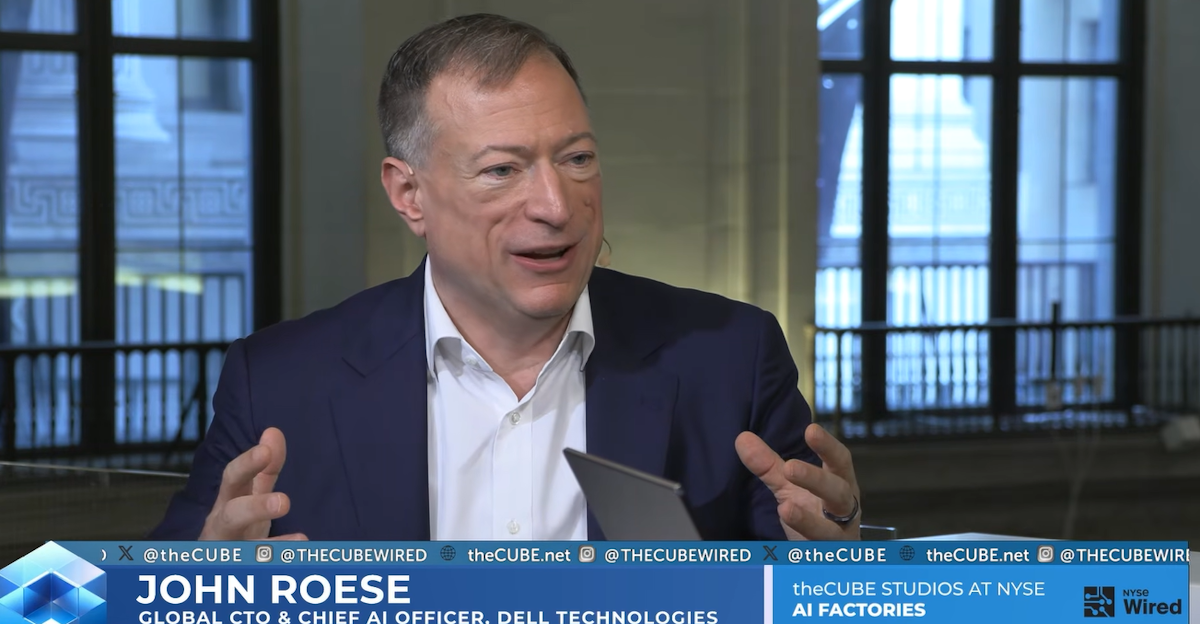
At the Dell Technologies New York Symposium, Dell CTO John Roese said the moat in AI systems is not the tools…
IDC's Worldwide Future of Work Survey (May 2026) found the majority of "leaders" — organizations reporting 50%…

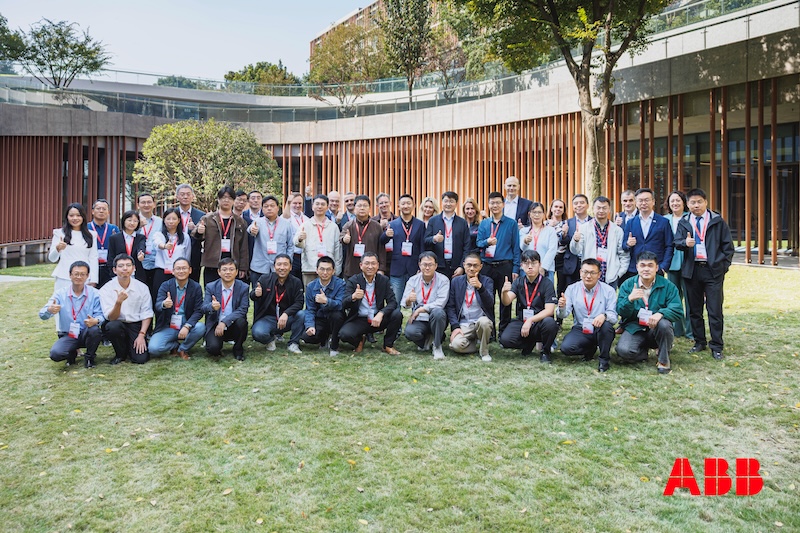
ABB and SynerLeap named Wasome winner of the ABB Startup Challenge China 2026, awarding a 200,000 CNY (about $…
Anthropic debuted on the Nasdaq Thursday, initially raising $81.3 billion at a price of $83 per share, then bo…

METR released Time Horizon 1.1, expanding its benchmark from 170 to 228 tasks and scoring judgment-heavy work…

Google search VP Robby Stein confirmed on X that the redesigned desktop page at Google.com is now official aft…