What happened
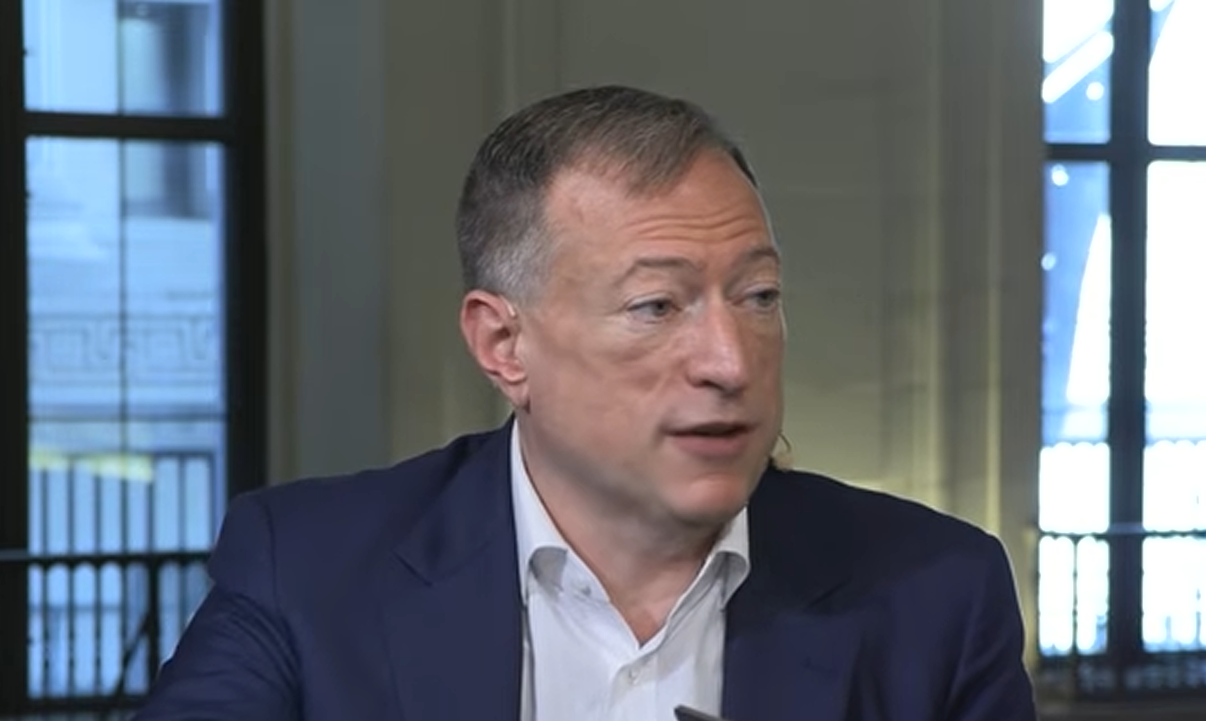
Dell's John Roese said close to two years of running fully autonomous agents internally showed that companies adopting agents without changing how they are organized accomplish very little.
Why it matters
Dell encodes its own practices into machine-readable skill files, so agents act on Dell's rules rather than generic behavior — and Roese warns that knowledge is the moat, not the tools or models.
Summaries like this, in your inbox every morning.
Dell's message comes from its own experience rather than a customer pitch. The company has spent close to two years running fully autonomous agents inside its business, and that period convinced global CTO and chief AI officer John Roese that the hard part is organizational, not technological. In his framing, applying agents to an unchanged company simply redistributes work between people and machines, and the result is a bad experience.
The mechanism Dell describes is knowledge capture. Subject matter experts encode Dell's practices into machine-readable skill files that steer how agents behave, so an agent pricing a deal or servicing a customer follows Dell's own biases, parameters and rules instead of generic defaults. Those agents also build relationships in knowledge graphs and develop new digital skills as they work, which is why Roese warns against handing proprietary knowledge to third parties.
The commercial angle sits alongside that advice: Dell has pitched its AI Factory as a way to close the gap between AI ambition and outcomes. Roese's conclusion is that the tools and even the models are not the differentiator — the special knowledge a company captures in these new forms is.
Pick your industry and the AI tools you use, and get news related to your work every day.
Free · 30 seconds with Google · unsubscribe anytimeWhat is AIToday? →
Ask AI anything about this article. The AI reads this article, earlier AIToday articles, and Wikipedia, and cites its sources. Q&As are published on this page for other readers too.
Nvidia is reportedly in talks to invest hundreds of millions of dollars in Firmus, and Maas Group — which owns…

Pigment closed a $250 million Series E at a $2.3 billion valuation, led by Scaleup Europe Fund managed by EQT…

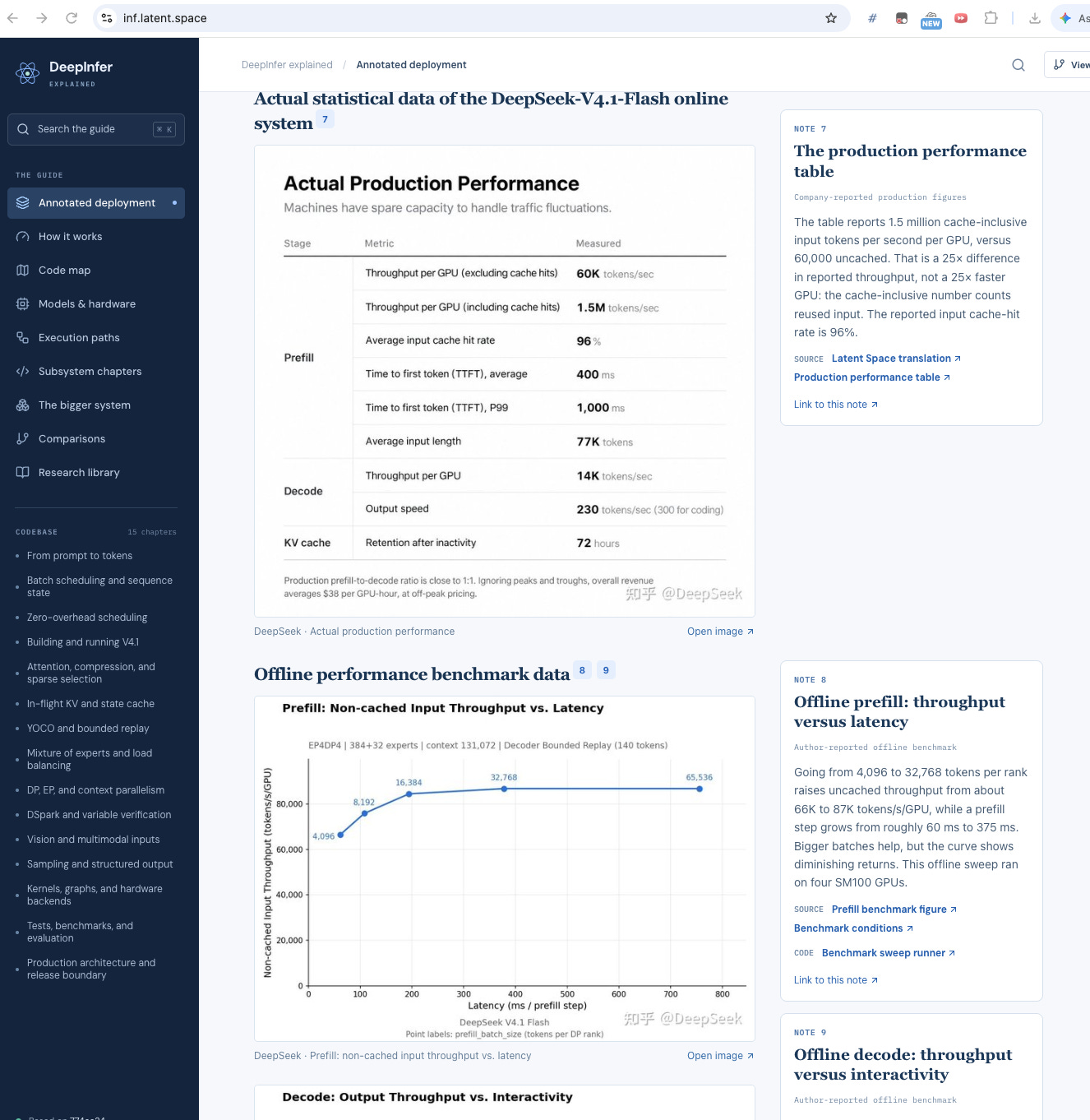
DeepSeek released DeepInfer, the inference engine behind V4.1-Flash, with production figures of 155 trillion t…
OpenAI acquired Orchestra Bio on October 20 and is integrating its team and drug-development coordination tech…
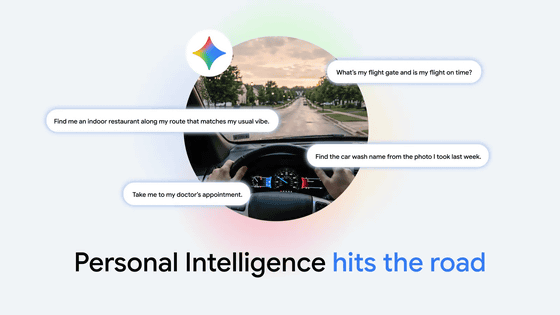
Google's "Personal Intelligence with Gemini" began rolling out on Android Auto on the 20th, and will extend to…
ASI Inc., formerly Air Space Intelligence, raised a $325 million Series C led by Spark Capital, valuing it at…