What happened
Google announced Nano Banana 2.1 on October 6, a Gemini 3.6 Flash-based image model with a context window of up to 1 million tokens, rolling out the same day across the Gemini app, Google Search's AI Mode, Google AI Studio, Flow, Stitch, Google Ads and Gemini Enterprise Platform.
Why it matters
Google says the update improves on every dimension of the previous model, especially visual design, mask-based editing and subject consistency, which means everyday users in those apps and developers using the API get a newer image tool without changing anything.
What to watch
Google still lists blurry small text and long paragraphs, imperfect character consistency between input and generated images, and mismatched spatial relations as open issues, so the gains may not hold in those cases. Developers should note the API has no free tier, and while image output costs $30 per 1 million tokens — roughly half of Nano Banana 2's per-image rates — input pricing rose to $1.50 per 1 million tokens from $0.50.
WHO IT HITSDevelopers building image generation and editing features on the Gemini API are most directly affected, since Nano Banana 2.1 has no free tier and image output is billed at $30 per 1 million tokens while input tokens now cost $1.50 per 1 million, up from $0.50. Marketing and creative teams using Google Ads, Flow and Stitch may see improved mask-based editing and subject consistency as the rollout reaches them.
Summaries like this, in your inbox every morning.
Nano Banana 2.1 arrives as the successor to Nano Banana 2, which Google released in February and which is also known as Gemini 3.1 Flash Image, so this is a refresh roughly eight months after that launch. The model card says it is built on Gemini 3.6 Flash, supports text and image inputs and offers a context window of up to 1 million tokens. Google's own comparisons put it above both the model it replaces and its higher-tier sibling, Nano Banana Pro, which is also called Gemini 3 Pro Image — on human-scored Elo for text-to-image generation, on automatic scoring of infographic factual accuracy, and on all seven evaluated image-editing items, including consistency across multiple characters and edits guided by masks or hand-drawn instructions.
Google also set out the limits it has not solved. Small text and long paragraphs can come out blurry, character consistency between an input and a generated image is not always perfect, and the model can mix up spatial relations such as left and right. Those caveats sit alongside an unusual pricing move: image output was cut to roughly half of the previous model's per-image cost, but input pricing rose from $0.50 to $1.50 per 1 million tokens, and the API has no free tier. Developers who generate many images with short prompts are likely to benefit most, while those who send large inputs may find the balance less favorable, though the actual cost depends on each workload's mix of input, text output and images.
Pick your industry and the AI tools you use, and get news related to your work every day.
Free · 30 seconds with Google · unsubscribe anytimeWhat is AIToday? →
Ask AI anything about this article. The AI reads this article, earlier AIToday articles, and Wikipedia, and cites its sources. Q&As are published on this page for other readers too.
Google released Nano Banana 2.1, built on Gemini 3.6 Flash, adding support for up to 14 reference images, cons…

Google released Nano Banana 2.1, which it says improves across the board, cuts 1K image prices to 3.36 cents f…

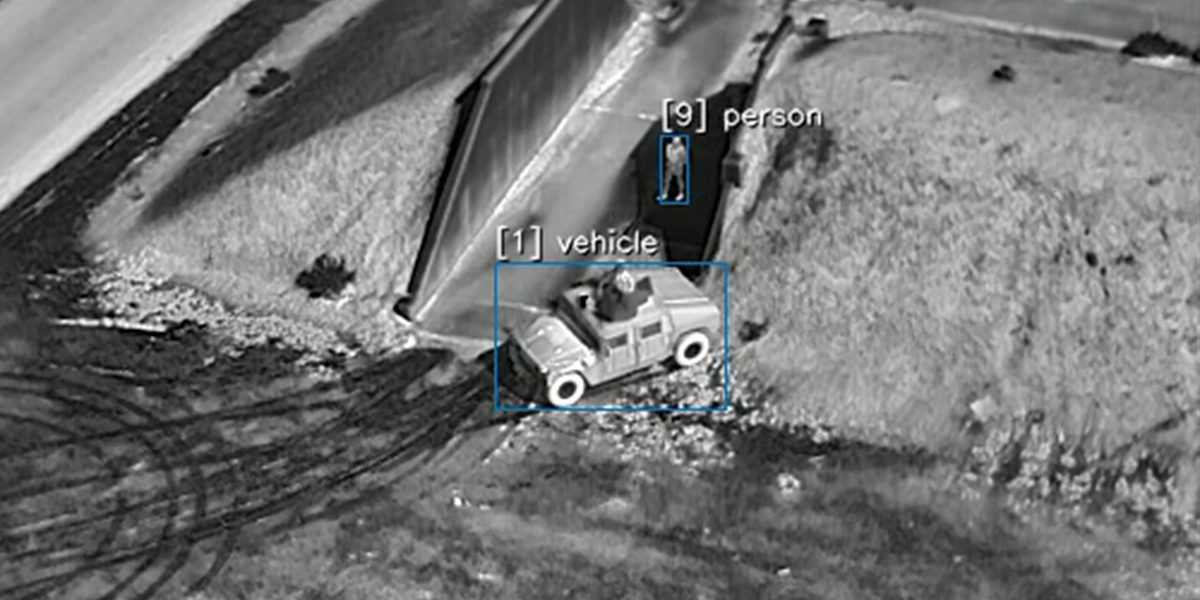
Teledyne FLIR OEM launched Prism A-ISR on October 6, software that uses AI to detect, classify and track multi…
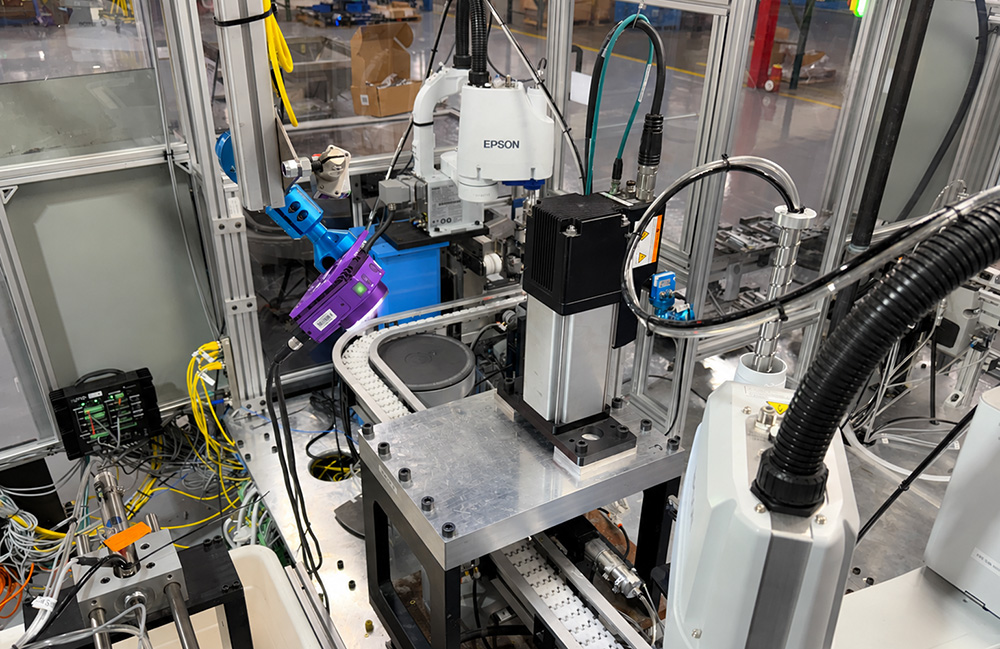
Overview AI launched the OV Spark and OV Spark Pro, all-in-one inspection cameras with an onboard agent called…
Catherine Esperanza Amador sued Pin Trading App and co-founder Andy Nguyen on Oct
OpenAI is launching a test later this month of display ads that appear below the image ChatGPT is generating…