What happened
Google released Nano Banana 2.1, which it says improves across the board, cuts 1K image prices to 3.36 cents from 6.70 cents, and rolls out across Google's products.
Why it matters
Nano Banana 2.1 sometimes beats Nano Banana Pro by a wide margin in benchmarks and costs far less, though Pro often still produces noticeably better images in practice.
What to watch
Whether real-world quality improvements match benchmark scores, as Google will shut down gemini-3.1-flash-image on October 29, 2026, and the next major quality gain may come with Gemini 4 Argon.
WHO IT HITSCreative and marketing teams generating images with Google's tools, and developers using the Gemini API, get materially cheaper output per image, which may lower the cost of image-heavy workflows like ad creative and infographics.
Summaries like this, in your inbox every morning.
Nano Banana 2.1 replaces Nano Banana 2, which Google released in February 2026. Google says the new version improves visual quality, text rendering, character consistency across conversation turns, wide panoramas and infographics. It can process up to 14 reference images at once, keeping up to four characters and ten objects consistent, and connects to Google Search. It offers minimal, medium and high thinking levels that affect image quality, and runs at Flash-tier speed.
The price cut is notable because the previous Pro tier, Nano Banana Pro, costs considerably more at 13.40 cents per 1K image versus 3.36 cents for 2.1. While 2.1 sometimes beats Pro by a wide margin in benchmarks, the article notes that Nano Banana 2 also matched it in those tests, and that Pro often still produces noticeably better images in practice. In one side-by-side comparison, Pro's image looked more realistic and natural, particularly in colors and proportions, while 2.1 struggled with scale.
The outcome hinges on whether benchmark wins translate into real-world quality for users who need precise outputs. Google plans to shut down the previous model, gemini-3.1-flash-image, on October 29, 2026, and has announced that the next major gain in image quality could come with its Pro model, Gemini 4 Argon.
Pick your industry and the AI tools you use, and get news related to your work every day.
Free · 30 seconds with Google · unsubscribe anytimeWhat is AIToday? →
Ask AI anything about this article. The AI reads this article, earlier AIToday articles, and Wikipedia, and cites its sources. Q&As are published on this page for other readers too.
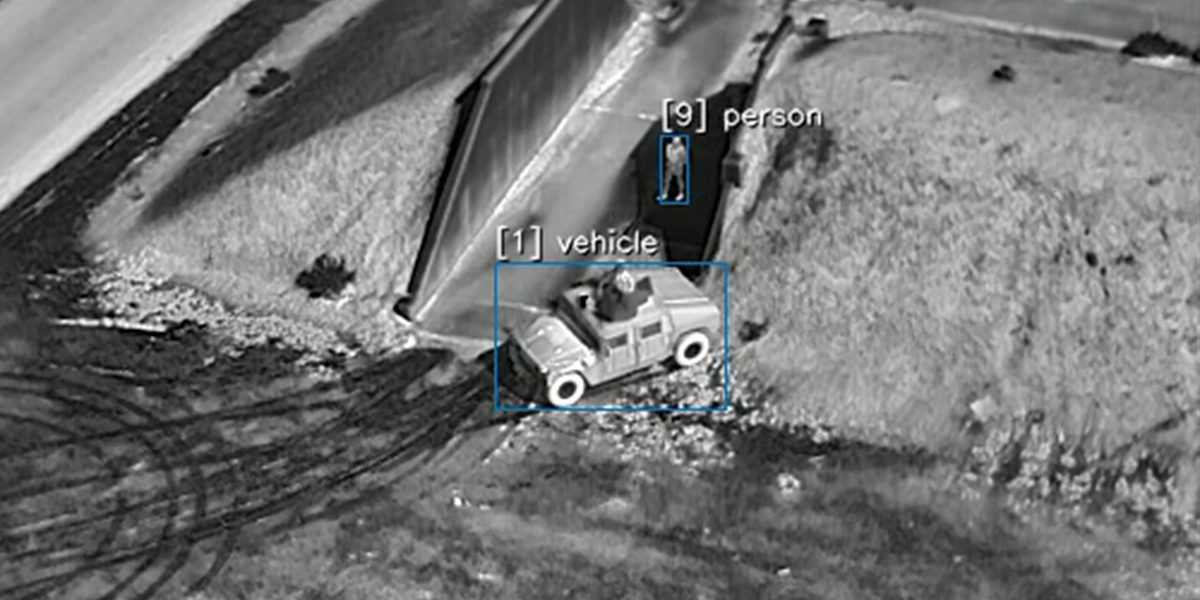
Teledyne FLIR OEM launched Prism A-ISR on October 6, software that uses AI to detect, classify and track multi…
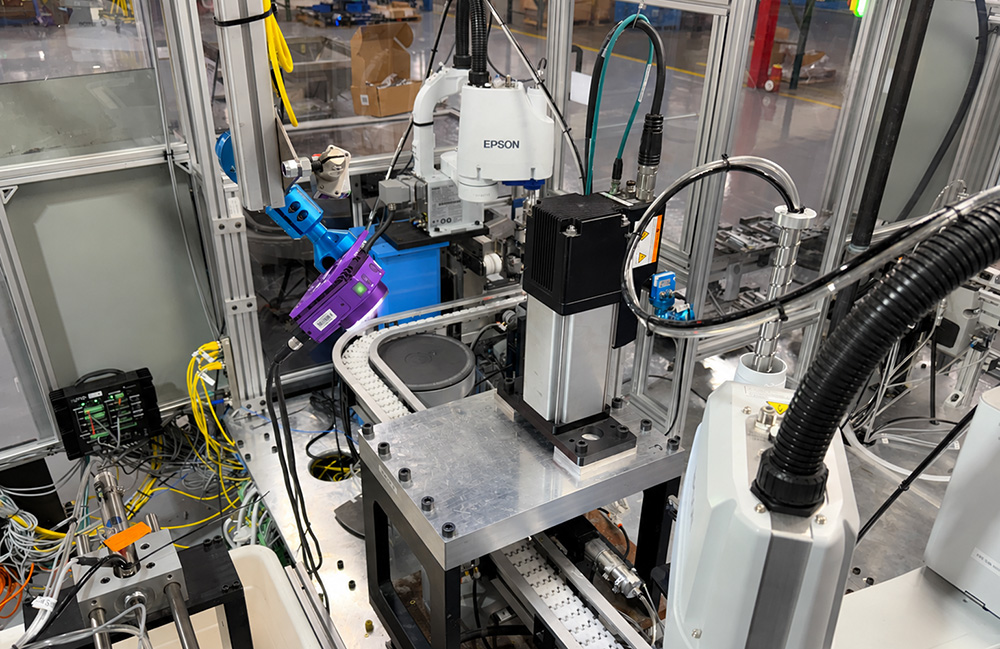
Overview AI launched the OV Spark and OV Spark Pro, all-in-one inspection cameras with an onboard agent called…
Catherine Esperanza Amador sued Pin Trading App and co-founder Andy Nguyen on Oct

OpenAI is launching a test later this month of display ads that appear below the image ChatGPT is generating…
The MIT-licensed moodboard viewer, installable on macOS with bun, places generated images, video, and audio in…

Pope Leo XIV said in an X post Friday morning that "it is becoming urgent to distinguish human art from what m…