What happened
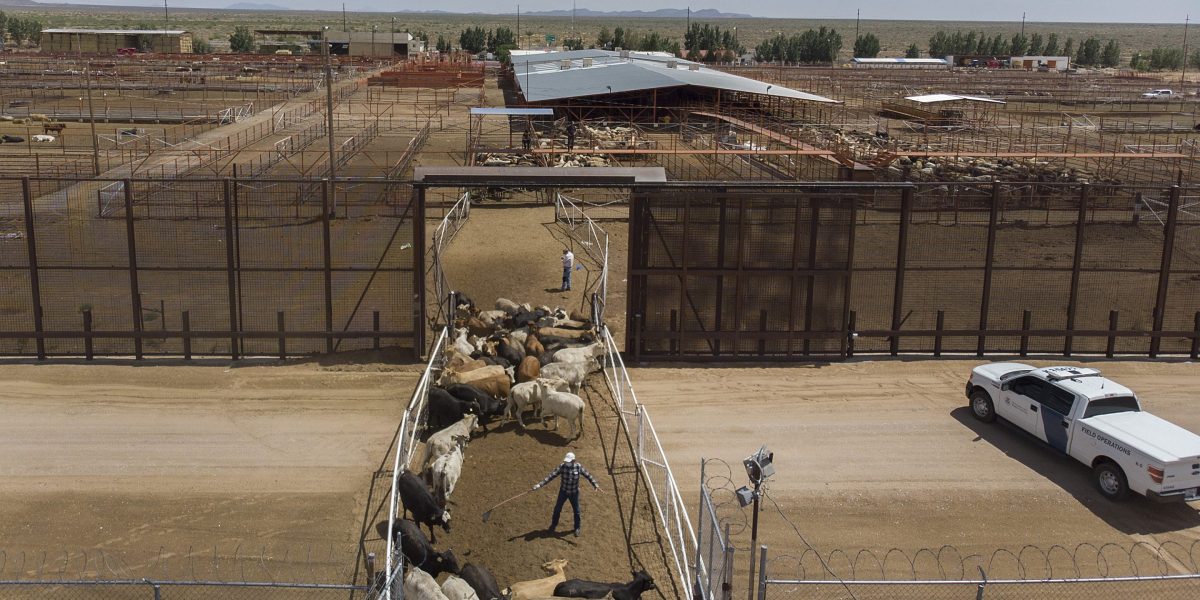
The U.S. Department of Agriculture announced Friday that it will begin reopening the border to Mexican cattle imports starting Aug. 24 at the Douglas, Arizona border crossing, more than a year after imposing a ban due to New World screwworm spread in Mexico. The Santa Teresa and Columbus border crossings in New Mexico will follow, though no dates were specified.
Why it matters
Mexico's livestock sector suffered multimillion dollar losses during the suspension. U.S. Secretary of Agriculture Brooke Rollins stated it is now safe to reopen the Arizona crossing, and imported cattle will undergo U.S. inspection under a joint action plan to prevent screwworm larvae entry. Mexican President Claudia Sheinbaum framed the measure as evidence of bilateral cooperation.
What to watch
The screwworm outbreak remains active—more than 30 cases have been reported in Texas and southeastern New Mexico as of last month, and Mexico currently reports 1,792 active cases across 29 of its 32 states. Mexico has committed to accelerating containment efforts, particularly in Sonora and Chihuahua, where five cases were recently detected.
Summaries like this, in your inbox every morning.
The reopening marks a partial resolution to a trade dispute triggered by the screwworm outbreak detected in Mexico in November 2024. The ban, which lasted more than a year, caused multimillion dollar losses to Mexico's livestock sector—a significant economic pressure that likely shaped both countries' motivation to resume trade. However, the decision comes despite ongoing risk: the parasite remains active on both sides of the border, with Mexico reporting 1,792 cases and the U.S. confirming spread to Texas and southeastern New Mexico. The phased reopening—beginning with the Arizona crossing while delaying New Mexico border posts—suggests a cautious approach that balances economic recovery with disease containment. U.S. authorities' confidence in the Arizona crossing, backed by inspection protocols and a joint action plan, reflects reliance on monitoring and compliance rather than elimination of the threat. Mexico's commitment to accelerate containment efforts, particularly in Sonora and Chihuahua, indicates both countries view the reopening as contingent on continued outbreak suppression.
Pick your industry and the AI tools you use, and get news related to your work every day.
Free · 30 seconds with Google · unsubscribe anytimeWhat is AIToday? →
Ask AI anything about this article. The AI reads this article, earlier AIToday articles, and Wikipedia, and cites its sources. Q&As are published on this page for other readers too.

