
What happened
NTT TechnoCross launched an 'AI Voice Interpreter' option for its on-premises IP-PBX 'Crossway', handling Japanese, Vietnamese and English two-way interpretation with all speech processing done on-site, no external cloud.
Why it matters
Because voice data never leaves the facility, the option can be used in environments with strict confidentiality requirements, and existing Crossway phones, smartphones and speaker devices work as-is, reducing new hardware and management costs.
WHO IT HITSFactory, logistics, nursing-care and municipal-counter managers who supervise multilingual staff can deploy real-time interpretation without sending sensitive conversations to the cloud, while their foreign employees can report problems in their native language over familiar desk phones.
Summaries like this, every morning.
Pick your industry and the AI tools you use, and get news related to your work every day.
Free · 30 seconds with Google · unsubscribe anytimeWhat is AIToday? →
Ask AI anything about this article. The AI reads this article, earlier AIToday articles, and Wikipedia, and cites its sources. Q&As are published on this page for other readers too.
A step-by-step guide walks through uploading a stereo file to MusiCraft Stem Splitter, running the four-way sp…

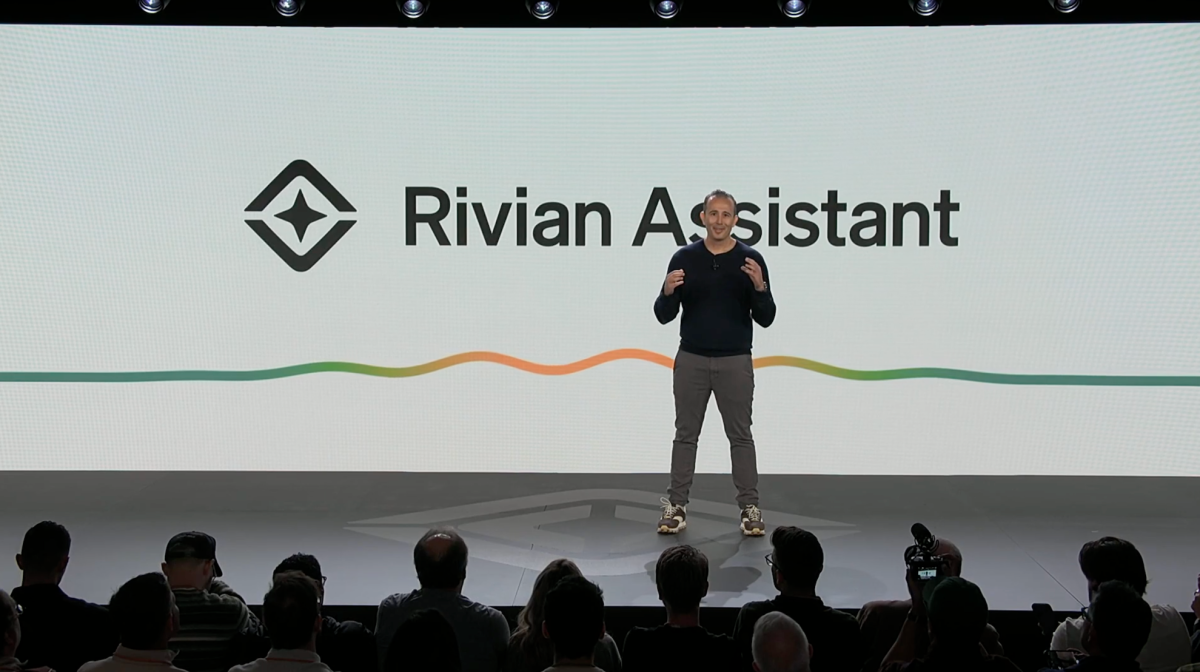
Rivian is licensing elements of its AI voice assistant to Volkswagen Group within their $5.8 billion joint ven…
Granola is adding a dictation feature to its meeting notetaker, moving into the territory of Wispr, which had…

Deepgram said Thursday it is acquiring Daily, maker of the popular open-source Pipecat framework for managing…

A Zenn piece lays out a songwriting pipeline built on a structured seed, a named section structure, plain-lang…

A Zenn guide proposes capping AI-generated BGM candidates at three, writing down which seconds and which parts…