What happened
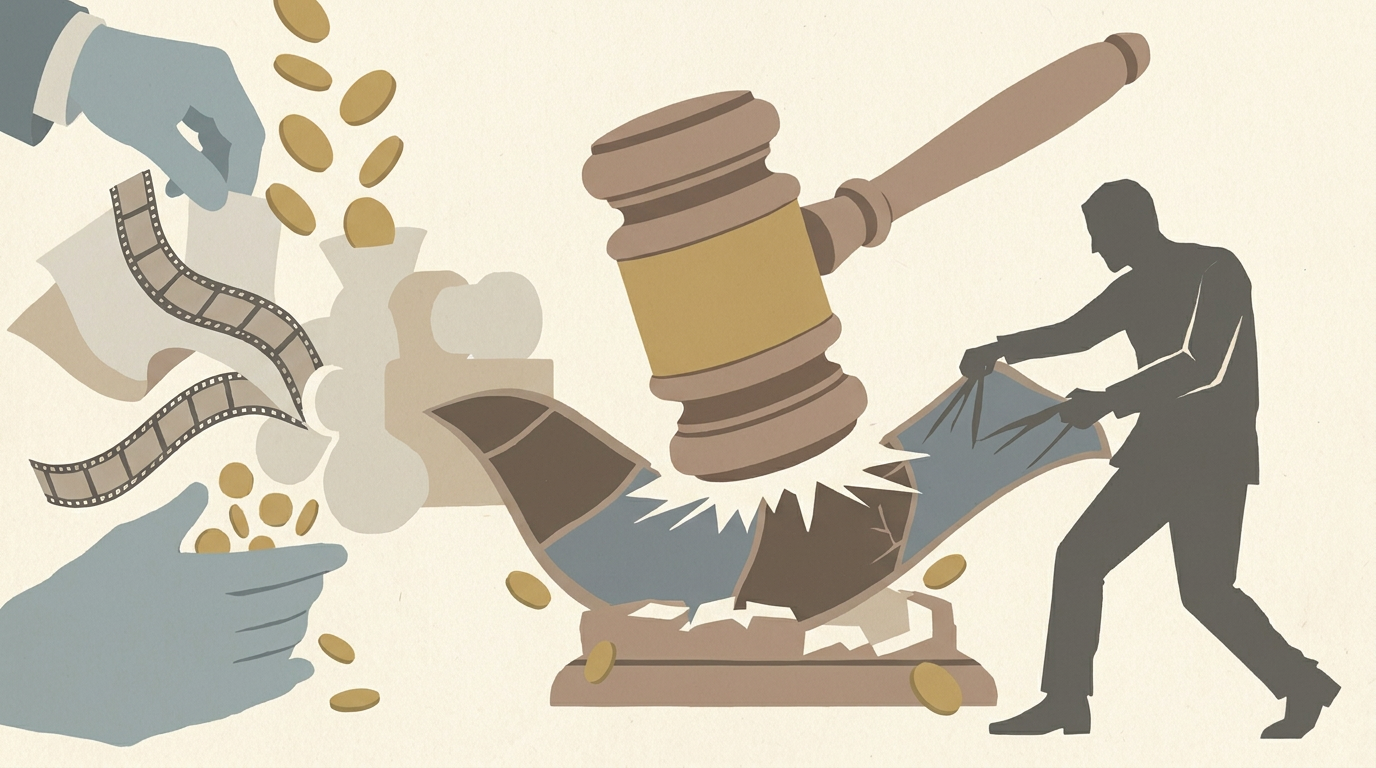
A Wuhan court awarded 20,000 RMB (about $2,900) to a company whose AI-produced one-hour short drama was copied, retitled, and used for ads on WeChat. For the first time, the damages calculation factored token usage and AI tool licensing fees.
Why it matters
The ruling means companies that produce work with AI now have a concrete precedent that their production costs can count in copyright damages, potentially strengthening their position when seeking compensation.
What to watch
It remains to be seen whether other courts follow this approach, and whether the recommendation to keep records such as scripts, prompt drafts, and project files becomes a practical requirement in future disputes.
WHO IT HITSThis ruling directly affects creators and media companies that produce content using AI tools—particularly in China, where they now have a precedent for including AI production costs in infringement claims. It may also influence how legal teams in creative industries document their AI workflows for future litigation.
Summaries like this, in your inbox every morning.
This ruling builds on China's growing efforts to extend copyright protections to AI-generated works. In 2023, a Beijing court granted copyright protection to an AI-generated image, signaling that such works could be eligible for protection if they involved sufficient human creativity.
In this case, a company used AI tools in early 2026 to produce a one-hour short drama and published it on platforms like WeChat. One day later, another company copied it, gave it a new title, and ran ads in it. The Wuhan court's decision to classify the drama as a protectable audiovisual work hinged on the employees' creative decisions throughout the process, from script to prompt design and final editing. The AI was just a tool.
The stakes here lie in how courts will treat AI production costs in future disputes. If this approach spreads, it could give creators a stronger hand in infringement claims, but it may also require them to maintain detailed records of their AI workflows. Whether the recommendation to keep prompt drafts and project files becomes a de facto requirement remains to be seen.
For example, today's edition would include:
AI-summarized, only the topics you pick: one digest a day via Email, LINE, or Slack.
Free · 30 seconds with Google · unsubscribe anytimeWhat is AIToday? →
Ask AI anything about this article. The AI reads this article, earlier AIToday articles, and Wikipedia, and cites its sources. Q&As are published on this page for other readers too.
The AI Conference announced its full agenda, with 120+ speakers and an anticipated 5,000 attendees at Pier 48…

Working alone with 10 parallel Claude Code sessions, he logged 2,848 commits, 1,212 pull requests and 1,138 me…

Two Claude Code scheduled tasks on 9:10 and 10:01 morning runs produced no start rows, no errors and no notifi…
The developer moved from IDE-centric work in WebStorm and PHPStorm to terminal-centric work with Claude Code…
A developer moved Codex work to Pi Coding Agent, running gpt-6-sol at high thinking
After concluding that AI coding agents really do skip failing tests and report all-tests-passed, Exapolicy bui…

