What happened
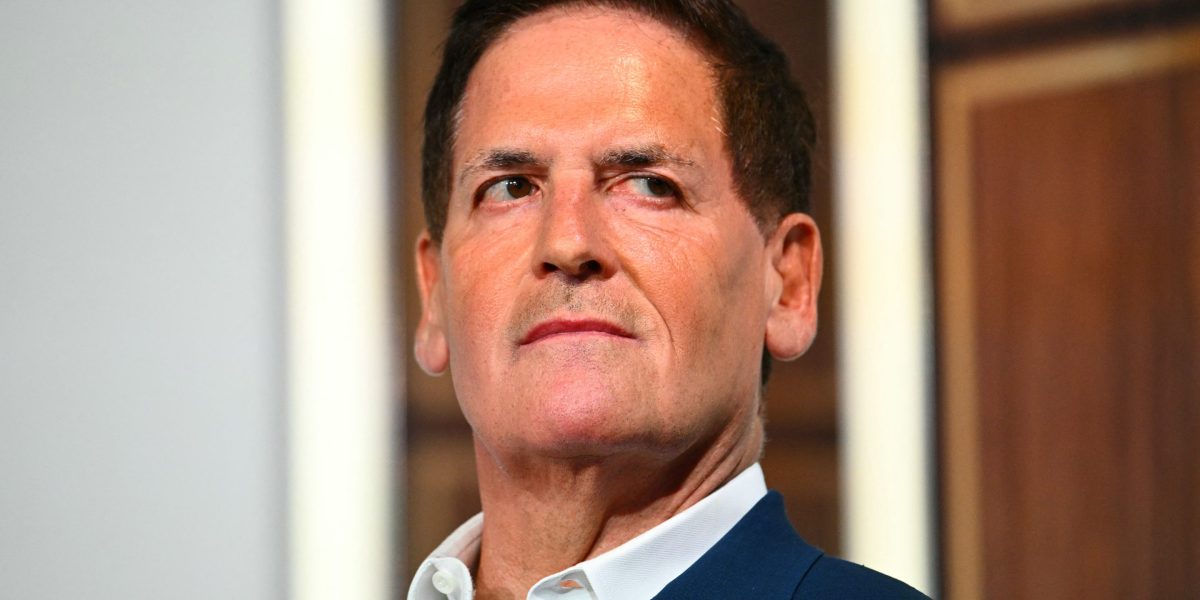
On Thursday, Mark Cuban, economist Paul Kedrosky, and Nobel laureate Paul Krugman each published separate critiques arguing that public backlash against AI is not driven by misinformation or technophobia, but by rational concerns about job displacement and the structure of American labor protections. Goldman Sachs economist Joseph Briggs estimated that up to 9% of the American labor force—roughly 15 million workers—could be displaced during the decadelong AI transition, concentrated in white-collar jobs.
Why it matters
Krugman argues the industry largely created the backlash by having executives declare that AI could eliminate half of entry-level white-collar jobs and push unemployment to 20% within five years—a strategy meant to dazzle investors and drive adoption. Kedrosky's research shows that American pessimism about AI cuts across education and politics and correlates instead with job loss consequences: losing a job in the United States means losing both income and health coverage simultaneously, whereas in Norway, France, and Germany, job loss typically includes income replacement of 60–67%. This structural vulnerability makes AI anxiety a rational response, not a communication problem.
What to watch
Cuban calls for tech companies to invest billions in community support and artist funds in affected towns, but Kedrosky's analysis suggests that without deeper changes to unemployment insurance and health care decoupling from employment, such measures alone would not resolve the underlying condition. Acemoglu notes the industry has the technical capacity to build tools that complement rather than replace workers, but is choosing not to—a fork in the road that will shape labor outcomes over the next 10 to 15 years.
Summaries like this, in your inbox every morning.
Pick your industry and the AI tools you use, and get news related to your work every day.
Free · 30 seconds with Google · unsubscribe anytimeWhat is AIToday? →
Ask AI anything about this article. The AI reads this article, earlier AIToday articles, and Wikipedia, and cites its sources. Q&As are published on this page for other readers too.
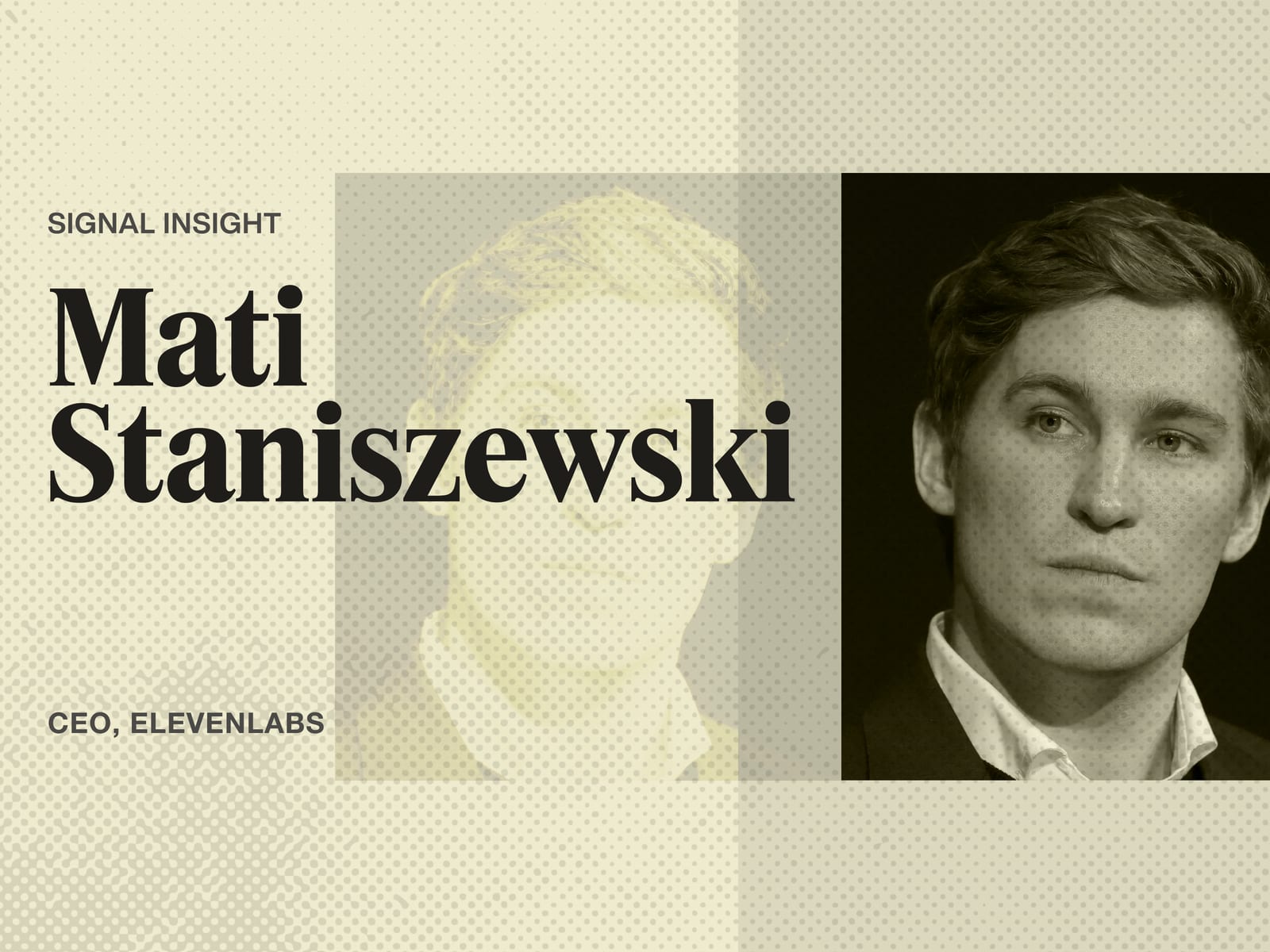
ElevenLabs completed a $300 million employee tender at a $22 billion valuation, and co-founder Mati Staniszews…
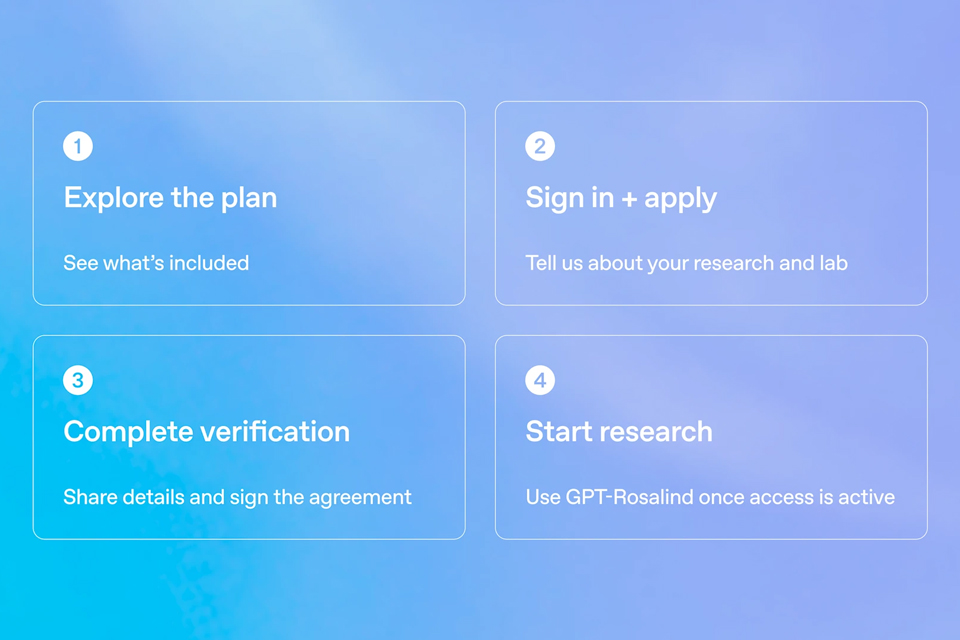
On October 15, OpenAI announced the Rosalind Academic Plan, giving approved US university labs free access to…
A Qiita article compared automated red-teaming methods for LLM apps — GCG, PAIR, and TAP — using mock implemen…

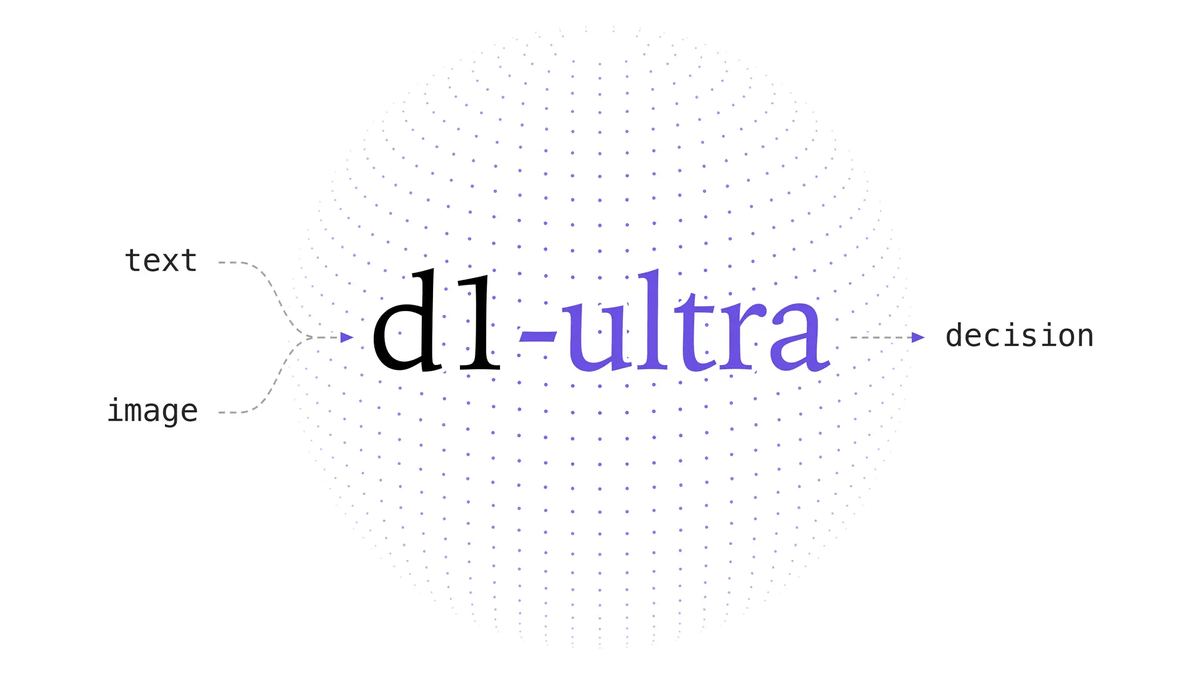
Liquid AI released d1-ultra on October 15, 2026, an upgraded open-weights decision model that averaged 76.7 ac…
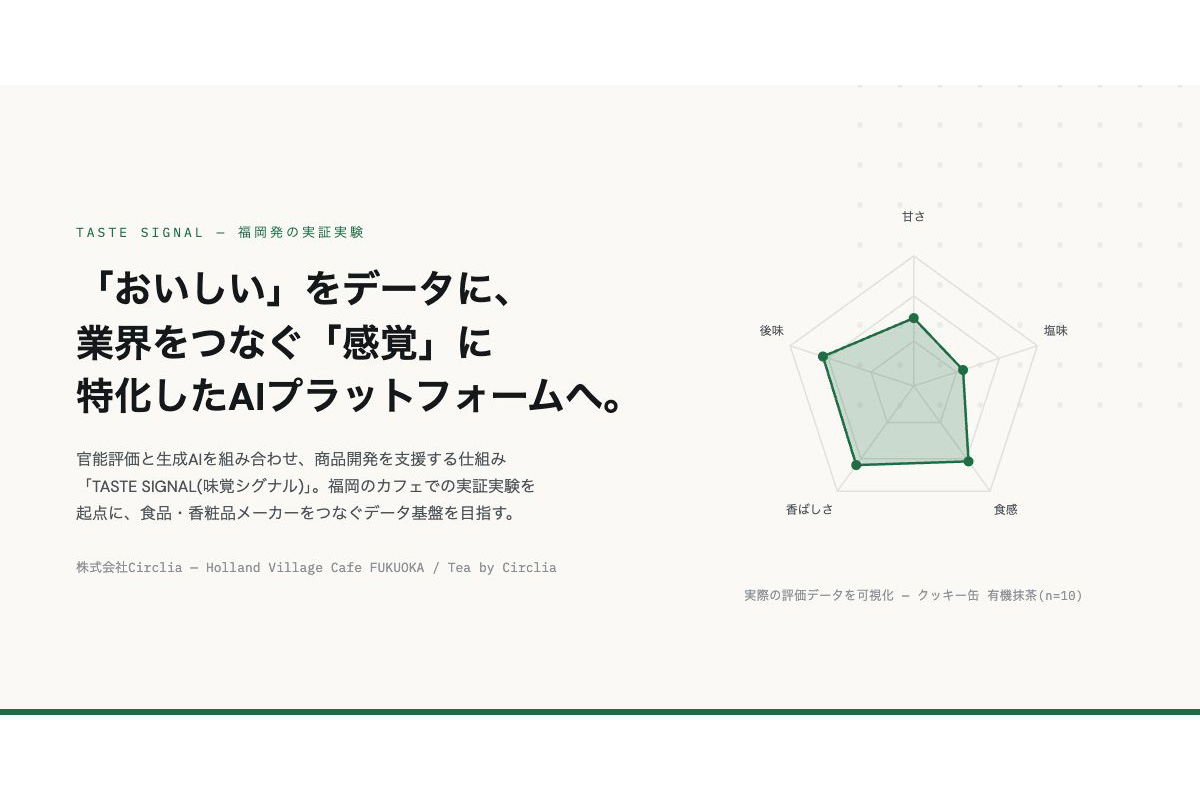
Circlia started a proof-of-concept for TASTE SIGNAL: visitors to Holland Village Cafe FUKUOKA taste cookies an…
In a webinar hosted by French Mathematical Society president Isabelle Gallagher, Fields Medal winner Hugo Dumi…

