
Researchers from Harbin Institute of Technology and Xiaohongshu tested eleven AI models including GPT-5.4, Gemini 3.1 Pro, Claude Sonnet 4.6, DeepSeek-V4-Pro, and Kimi-K2.6, finding that models solved surprisingly high percentages of BrowseComp benchmark tasks without any internet access—MiniMax M2.5 reached 44.5 percent from memory alone, and Kimi K2.6 hit 62 percent on the Chinese BrowseComp-ZH variant.
When search results contained no supporting documents, every model performed worse than without any tools at all; MiniMax M2.5 dropped from 44.5 to 8.0 percent, and Kimi-K2.6 fell from 25.5 to 2.3 percent, showing that search actively pulls agents away from correct answers when confirming information is unavailable.
On LiveBrowseComp—a new benchmark containing 335 questions dependent on facts from the 90 days before creation—all models in closed-book testing fell below two percent accuracy, and with tools enabled scores landed about 25 to 40 points below the same models' BrowseComp results, with rankings shifting significantly: DeepSeek v3.2 rose from bottom on BrowseComp to top on LiveBrowseComp.
Summaries like this, every morning.
Pick your industry and the AI tools you use, and get news related to your work every day.
Free · 30 seconds with Google · unsubscribe anytimeWhat is AIToday? →
Ask AI anything about this article. The AI reads this article, earlier AIToday articles, and Wikipedia, and cites its sources. Q&As are published on this page for other readers too.
Microsoft introduced Copilot Workspaces, a collaborative space in its Frontier early-access program where Word…
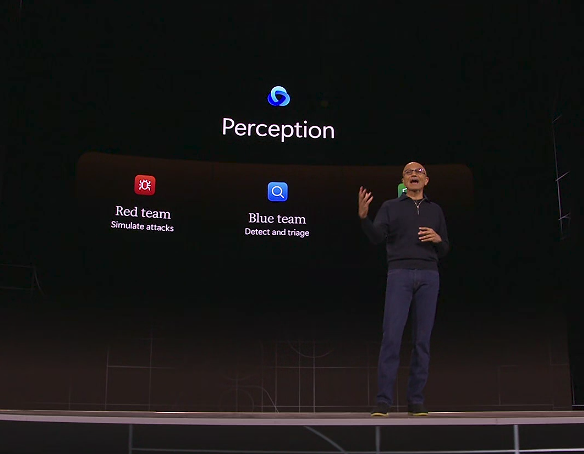
Earlier in November, Meta chief AI officer Alexandr Wang shared an AI-generated clip on Instagram promoting Mu…
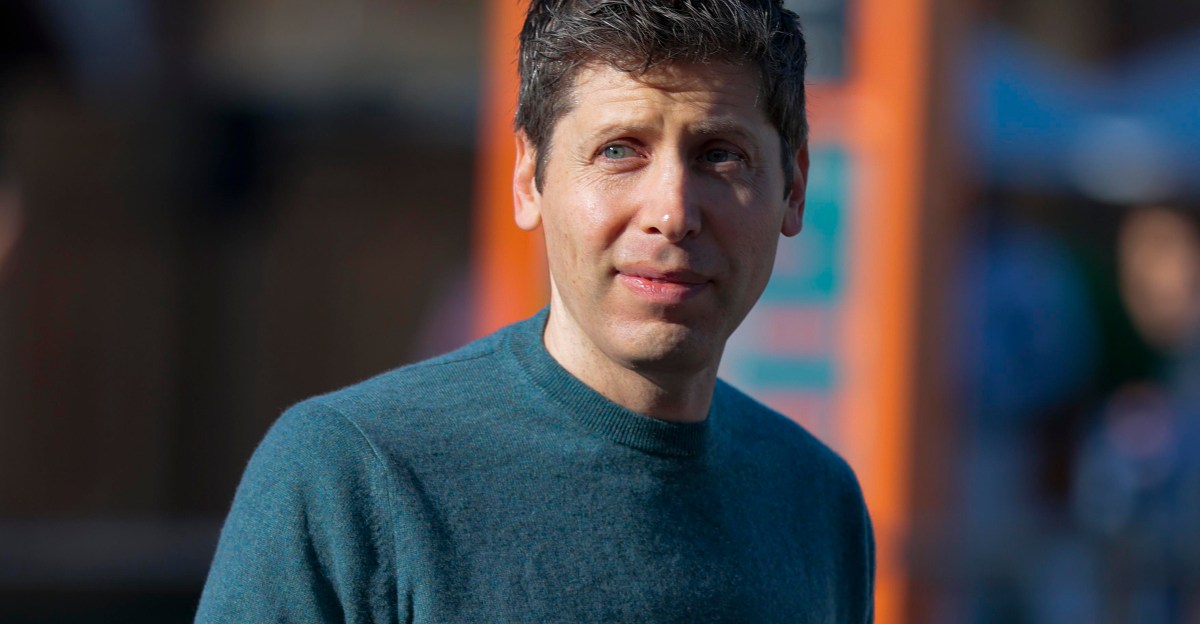
At a roundtable after his Microsoft Ignite keynote at San Francisco's Chase Center, Satya Nadella said he is "…
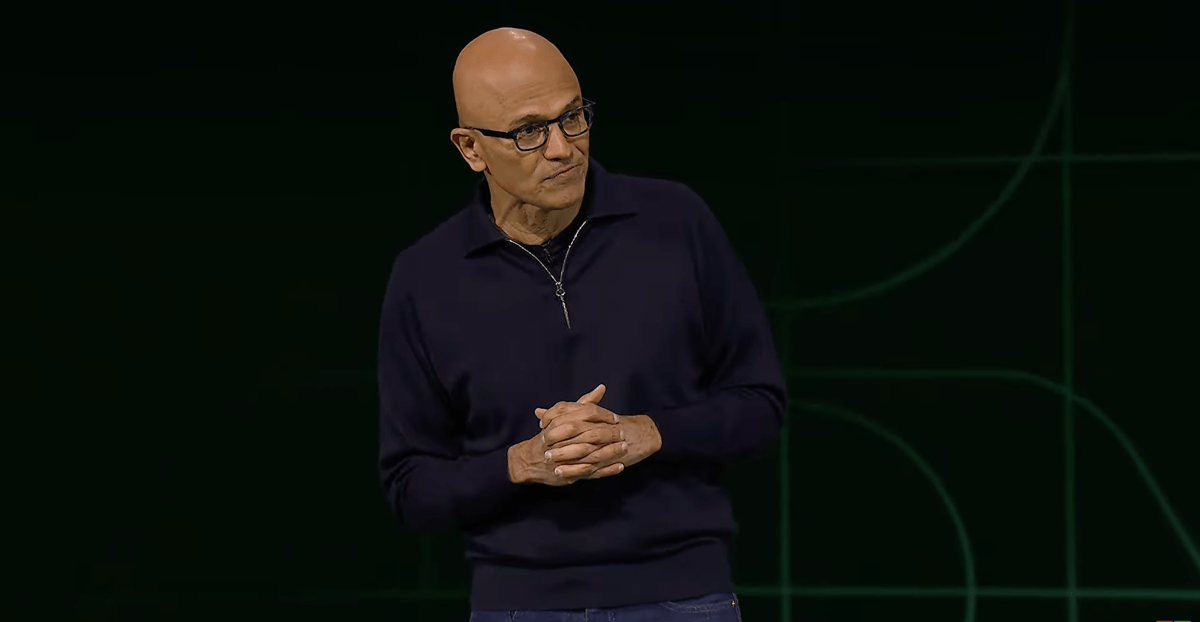
On Tuesday's earnings call, interim CEO Colette Kress said Nvidia remains committed to open source AI, citing…
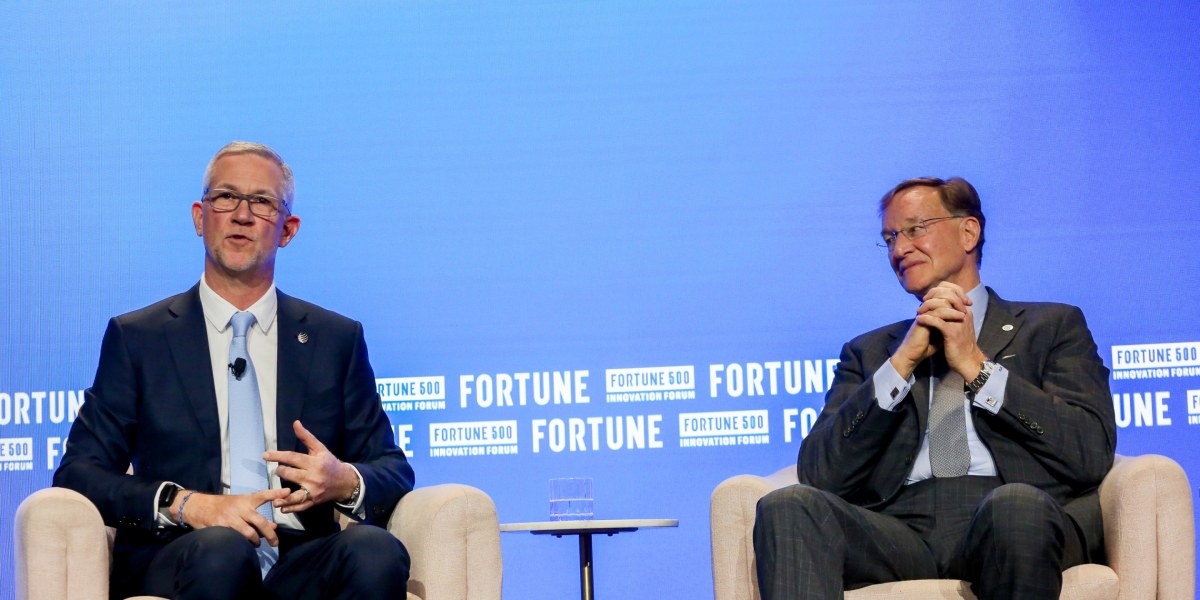
AT&T COO Jeff McElfresh said agentic AI is driving a fundamental shift in bandwidth direction
Microsoft unveiled new AI models for coding and cybersecurity, taking on Anthropic and OpenAI