
What happened
The European Commission has issued a legally binding order under the Digital Markets Act requiring Alphabet's Google to open key Android features and anonymized search data to rival AI developers, with rules taking effect in 2027.
Why it matters
Android and search data have been powerful competitive assets for Google; forced sharing could weaken its position in mobile and search at a time when the company is also facing delays in rolling out its next Gemini AI model, raising questions about its ability to adapt in a heavily regulated environment and maintain its long-term competitive advantage.
What to watch
How quickly Alphabet implements the required interoperability, changes to default Android settings, and whether Gemini can remain differentiated despite broader data access to competitors—since regulatory pressure combined with AI execution issues could reduce Google's pricing power or user loyalty in core products.
Summaries like this, in your inbox every morning.
Google's dominance in mobile and search—two core pillars of its business—now faces direct regulatory challenge in Europe. The Digital Markets Act order is not merely a compliance obligation; it is designed to dismantle the historical barriers that made Android and search data such valuable competitive assets. By forcing interoperability and data access, the EU is creating pathways for rival AI tools to build on Google's infrastructure without having to recreate it. This structural change arrives at a moment when Google's own AI execution is under pressure: delays in the next Gemini release suggest the company may be struggling to match the pace of competitors like OpenAI in enterprise-grade AI product delivery. Together, these pressures—regulatory fragmentation in Europe and internal execution challenges—raise fundamental questions about whether Google can sustain its pricing power and user retention in search and mobile over time. The company will need to invest heavily both to comply with EU rules and to differentiate Gemini sufficiently to compete against rivals who will now have access to the same data and platform features.
Pick your industry and the AI tools you use, and get news related to your work every day.
Free · 30 seconds with Google · unsubscribe anytimeWhat is AIToday? →
Ask AI anything about this article. The AI reads this article, earlier AIToday articles, and Wikipedia, and cites its sources. Q&As are published on this page for other readers too.
In Q2, billionaires or their funds sold six 'Magnificent Seven' AI stocks

Nvidia was rising early Friday, even as the wider chip sector kept falling, Barron's reported

ElevenLabs completed a $300 million employee tender at a $22 billion valuation, and co-founder Mati Staniszews…

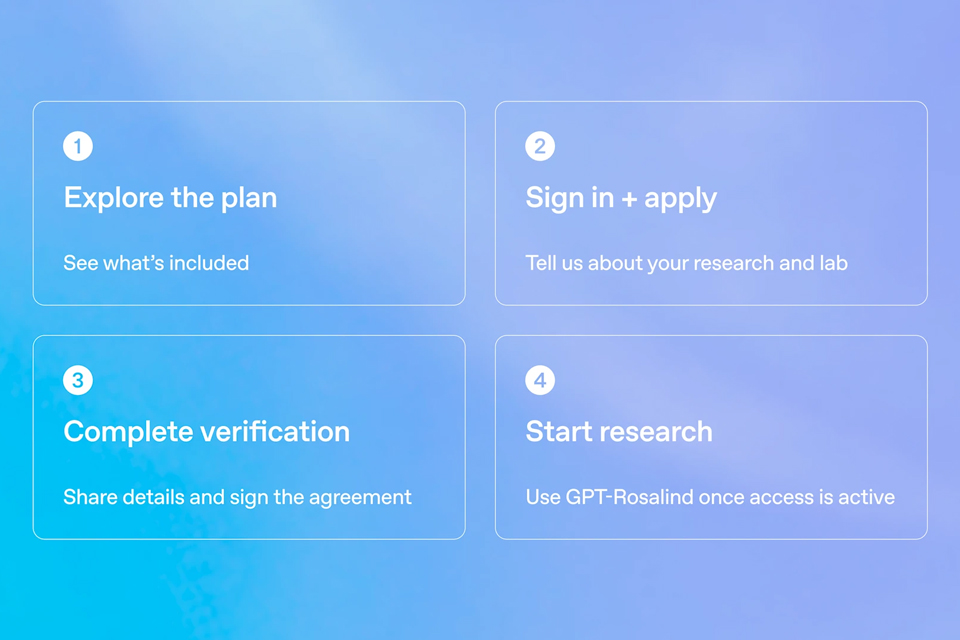
On October 15, OpenAI announced the Rosalind Academic Plan, giving approved US university labs free access to…
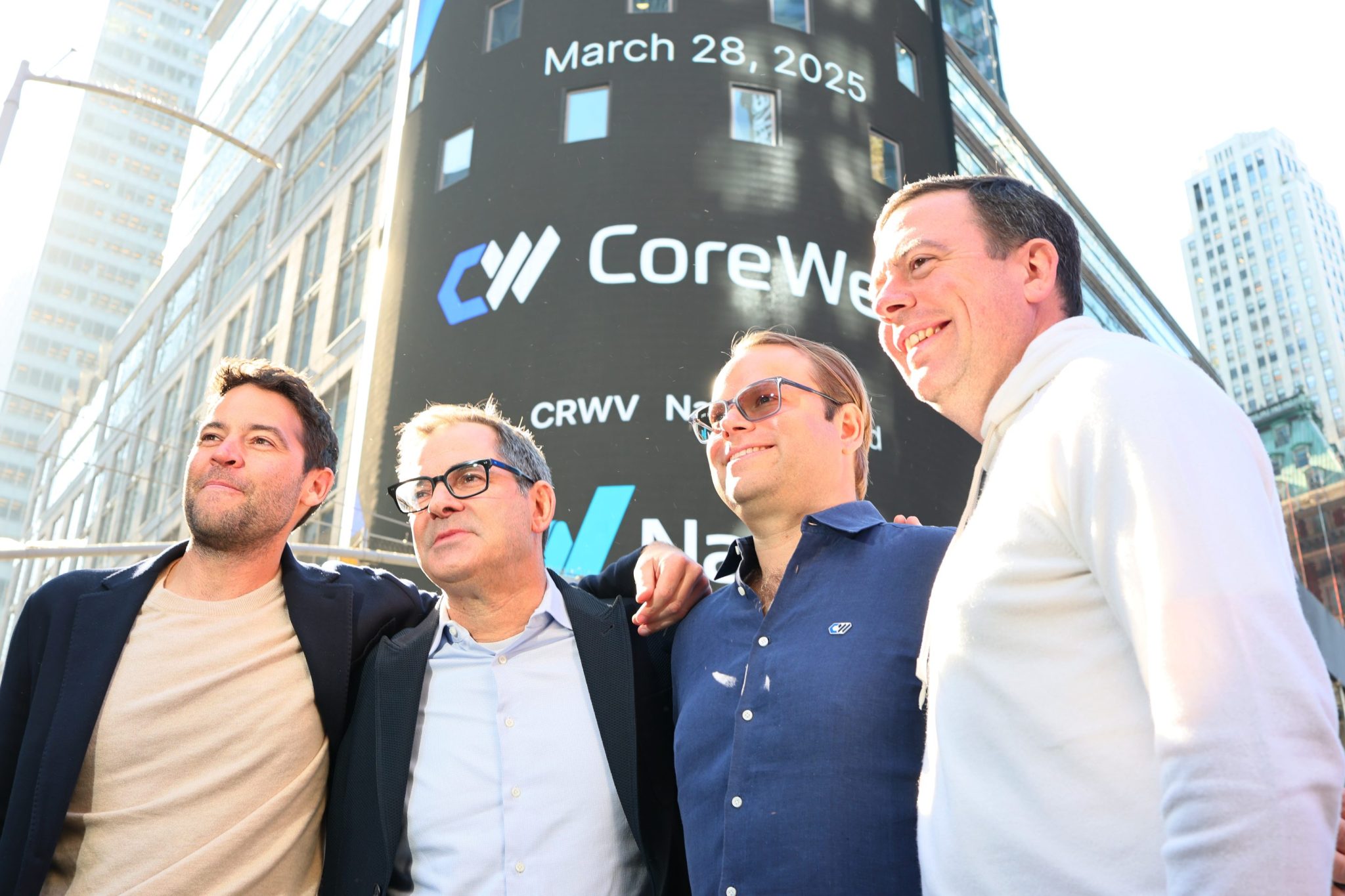
Neostellar Capital principal Evan Schlossman said CoreWeave's $103.7 billion in remaining performance obligati…
Supermicro Computer appointed Mark Long as chief financial officer, bringing an experienced technology finance…