What happened
OpenAI published a National Community Compact promising to cover electricity and grid costs at its data center campuses and to post financial guarantees before major spending, two days after about 28 measures passed in 25 localities opposing data centers.
Why it matters
The company is effectively paying for a "social license" to operate — the kind of community consent that no zoning board grants — and it is the first major AI company to agree to that price since the votes were counted.
WHO IT HITSLocal officials and utility customers in towns hosting or considering data center campuses are the immediate audience: the pledges aim to keep residents from absorbing grid upgrade costs or unpaid bills if a project stalls. Rival hyperscalers face pressure to match the offer, since OpenAI is described as the first major AI company to agree to it after the votes.
Summaries like this, every morning.
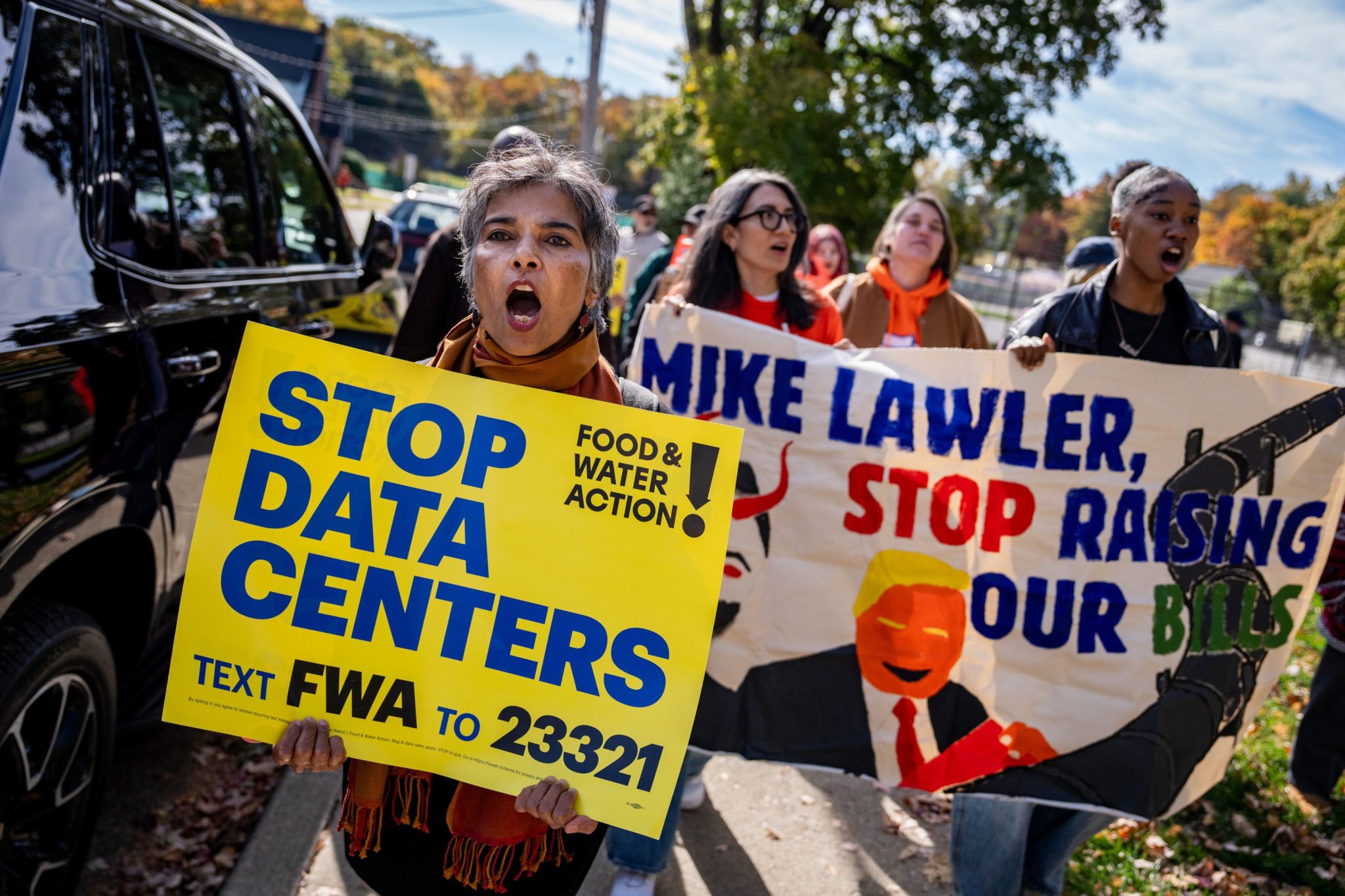
The compact lands two days after a wave of local ballots that read not as a rejection of data centers but as a repricing of them. The measures were mostly limits rather than outright bans: Sunbury, Ohio, banned data centers over 25 megawatts by 79% to 21% after Amazon proposed a $2 billion campus there, while Grove City, Ohio, banned nothing and instead required a public vote on any project over 50 acres, 20 megawatts or 500,000 gallons of water a day. The common complaint was the electric bill — more than 70% of Americans polled said they would oppose a data center planned near them, with rising power prices the top reason.
OpenAI's move is framed as buying a "social license," a term borrowed from mining and energy: consent a community grants over time, which no zoning board can issue and no tax abatement can purchase. The prior industry offer — tax revenue and construction jobs in exchange for tax breaks — is described as no longer on the table. Microsoft's January "Community-First AI Infrastructure" plan and a non-binding White House pledge signed by Google, Microsoft, Meta, Oracle, xAI, OpenAI and Amazon by this fall are presented as the same repricing in action, with costs that used to fall on the community now carried by the companies.
Where the computing goes is not treated as settled. Bans do not make demand disappear, it argues; they move it, with projects pushed out of Sunbury and Hubbard likely to seek counties that still say yes at whatever price those counties set. OpenAI told Fortune the compact has been months in the making and simply puts in writing pledges it has already undertaken at its campuses.
Pick your industry and the AI tools you use, and get news related to your work every day.
Free · 30 seconds with Google · unsubscribe anytimeWhat is AIToday? →
Ask AI anything about this article. The AI reads this article, earlier AIToday articles, and Wikipedia, and cites its sources. Q&As are published on this page for other readers too.
Anthropic applied to list on Nasdaq under "ANT," but its amended Nov

UBS estimates about 30% of the data-center capacity the U.S
Alignable's Eric Groves writes that Meta brought its Muse agent to small businesses in September, while Anthro…
Ramp's November card data shows U.S
Anthropic filed its public S-1 registration statement with the SEC on October 26, planning to list on Nasdaq u…

The Commerce Department approved New Matrix, created 17 months ago, to handle Nvidia's H200 AI chips, but The…