
Embassia is a platform that turns company websites into autonomous AI agents capable of negotiating directly with other companies' agents.
The system addresses a core B2B sales friction point: according to YC data, companies currently need around 800 cold emails to land a single customer while facing tightening spam filters.
By automating early-stage agent-to-agent negotiation and alignment, Embassia aims to reduce manual outreach and let human founders focus on closing validated, high-intent matches.
What happened
Embassia has built a platform that converts a company website into an autonomous agent capable of discussing, negotiating, and aligning with other companies' agents. The system can also instantly build foundational agents for buyers using public website data, which can be fine-tuned immediately.
Why it matters
According to YC data cited by Embassia, a B2B company needs an aggregate 800 cold emails (accounting for open, response, and conversion rates) to secure a single customer while spam thresholds tighten to 0.3%. The platform aims to replace this manual outreach with direct agent-to-agent negotiation, potentially reducing the friction in B2B deal sourcing.
What to watch
The platform separates public-facing agent interactions from private internal data, keeping sensitive company information protected while the agent represents the business externally. Once the agent-to-agent protocol identifies a high-intent match and delivers an alignment report, human founders step in to close the deal.
Embassia is positioning itself as a platform that fundamentally reframes how companies engage in B2B business development. The core proposition is to convert a static company website into what the platform calls a "living web agent"—an autonomous representative capable of engaging with other companies' agents in negotiation and alignment without manual intervention.
The business problem Embassia identifies is rooted in the mathematics of B2B cold outreach. According to data Embassia attributes to Y Combinator, a B2B company needs an aggregate of 800 cold emails, factoring in typical open rates, response rates, and conversion rates, just to secure a single customer. Simultaneously, spam thresholds are tightening to 0.3%, making high-volume outreach increasingly risky and subject to deliverability penalties. The result is a bottleneck: founder and sales teams spend enormous time on repetitive, low-yield email exchanges trying to qualify buyers and establish alignment.
Embassia's solution operates on three core mechanics. First, the platform enables direct agent-to-agent negotiation, replacing manual email ping-pong with automated discussion between two companies' agents. Second, for scenarios where a prospective buyer lacks an agent, Embassia instantaneously constructs a foundational agent using publicly available website data, allowing the buyer to fine-tune it on the spot. Third, the platform implements a data isolation model: a public-facing agent serves as the secure business representative while sensitive internal and proprietary data remain strictly private and protected. Once the agent-to-agent protocol validates a high-intent match and generates an alignment report, human founders step in to close the deal, positioning agents as efficiency filters that reduce founder time spent on unqualified leads.
Embassia is currently inviting founders to join a waitlist, signaling that the platform is in early access or approaching launch. The framing—"turn your website into a living web agent and join the A2A economy"—suggests the company is betting on a future where agent-to-agent commerce becomes standard in B2B workflows, reducing the friction that has historically required large sales teams and high email volumes to generate pipeline.
Embassia addresses a well-documented pain point in B2B sales: the cost and friction of initial customer acquisition. The platform cites YC data showing that a B2B company needs an aggregate 800 cold emails to secure a single customer, a figure that reflects the cumulative toll of low open rates, response rates, and conversion rates. Compounding this challenge is the tightening of spam thresholds to 0.3%, which constrains the volume and frequency of outreach.
The core innovation is the shift from human-driven cold outreach to what Embassia calls "Agent-to-Agent" (A2A) negotiation. Rather than founders and sales teams manually sending emails and iterating on responses, autonomous agents handle the early discovery, discussion, and alignment phases. For companies without an existing agent, Embassia removes the setup barrier by automatically constructing a foundational agent from public website data, which the buyer can then customize. The platform also emphasizes data isolation: the external-facing agent shields internal proprietary information while representing the company in negotiations. Once agents identify a high-intent match and produce an alignment report, human founders return to close the deal—positioning agents as efficiency multipliers for deal qualification rather than replacements for relationship-building.
AI-summarized, only the topics you pick — one digest a day via Email, Slack, or Discord.
Free · takes 30 seconds · unsubscribe anytime
Ask AI anything about this article. Q&As are published on this page for other readers too.
Asia Vital Components expects global AI server demand to strengthen in the second half of the year, with liqui…

Meta's fair value estimate was trimmed from approximately US$828.80 to approximately US$754.10 in updated anal…

Nvidia has reduced its planned financial backstop for an OpenAI data center project in Ohio to less than $120…
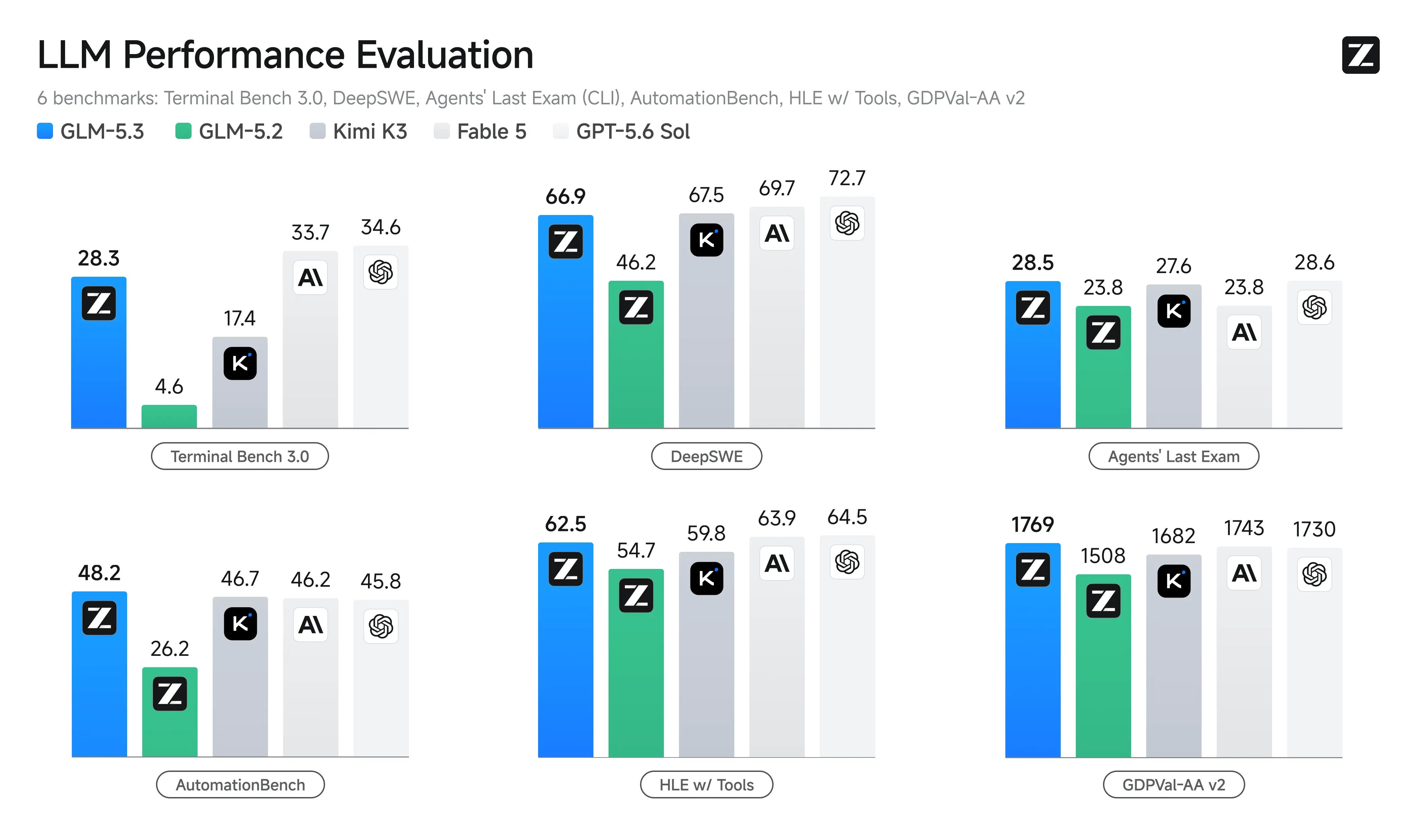
Z.ai announced GLM-5.3, a model with ~750B parameters that has surpassed Moonshot AI's Kimi K3 and matched or…
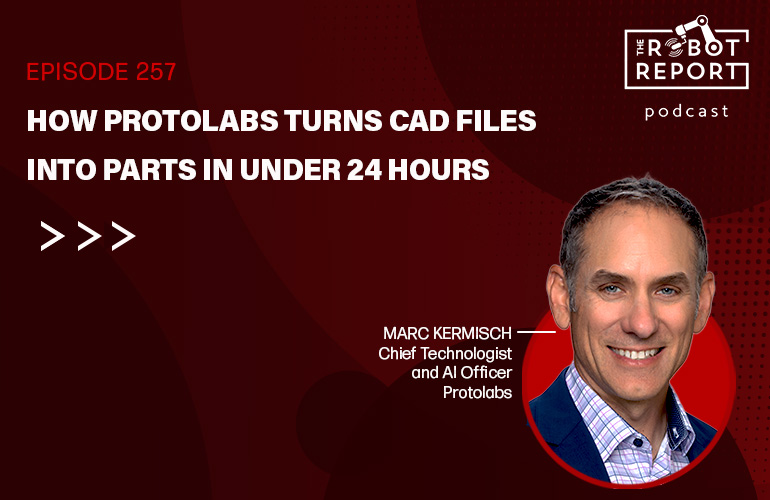
Protolabs, based in Maple Plain, Minnesota, operates a digital manufacturing platform that converts CAD files…
Anthropic will offer a watermark detection API allowing third-party developers to identify text created by Cla…

The AI news that matters, in one minute each morning.
Sign up free