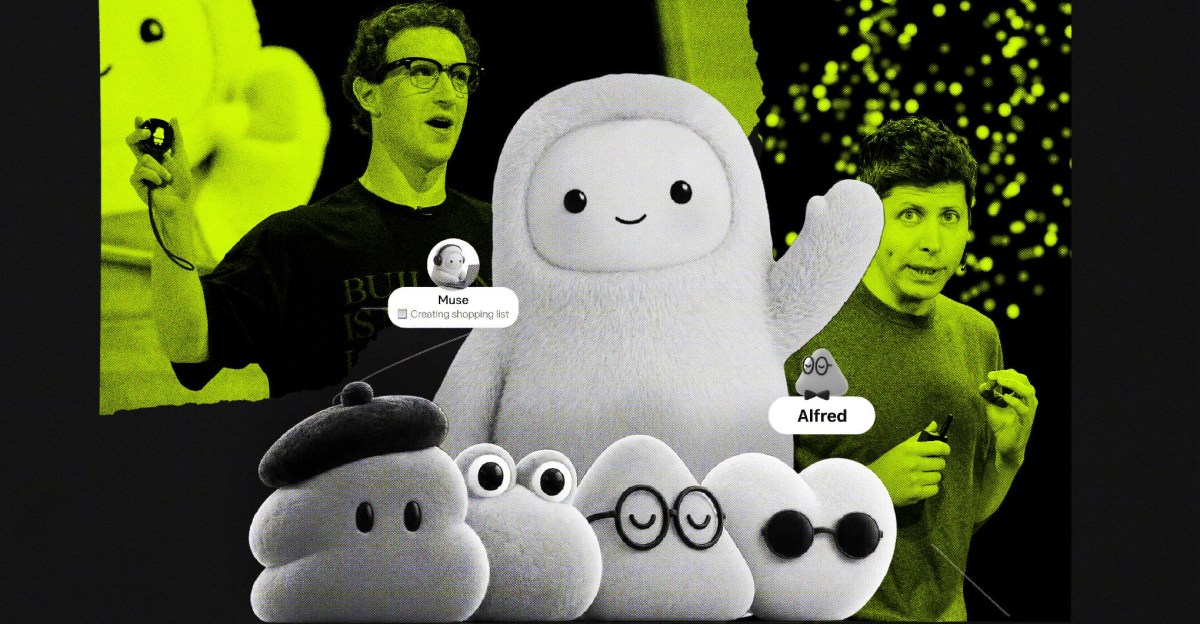
What happened
The Verge senior AI reporter Hayden Field joined Decoder to discuss Meta's Muse, OpenAI's Dots and xAI's Grok bot, saying the launches brought easy-to-use agents to millions.
Why it matters
Field said she still cannot trust them to finish personal tasks end-to-end, so the everyday assistant these products promise is not yet reliable, she suggested.
WHO IT HITSConsumers weighing whether to hand an AI agent their inbox, calendar or credit card data, and knowledge workers in marketing, legal and accounting evaluating OpenAI's specialist Dots, face a product field where usefulness is still being tested.
Summaries like this, in your inbox every morning.
Field traces the current wave of consumer agents back to OpenClaw, a homebrew tool built by one man, Peter Steinberger, over a weekend. Its technical approach, a harness wrapped around a model with a browser, became the default winning model. OpenAI hired Steinberger, and Meta says it built Muse from scratch but was inspired by OpenClaw.
Meta's advantage, Field argues, is product design and distribution rather than frontier capability. She says Meta still does not have a frontier model, but it is better at making consumer products, does not pay for advertising on its own platforms, and pushes Muse with one-tap downloading and pop-ups across apps like Instagram; the goal is to make Muse the default for the general public. OpenAI is going the other way, marketing Dots to enterprises and knowledge workers and talking up privacy to set it apart from Muse, which Field links to OpenAI needing money ahead of its IPO.
Field says she has not found a consumer use that works end-to-end, and both companies are still being tested. She attributes that gap partly to incentive: businesses will retry a broken agent because it can save money or time, while consumers walk away the first time it fails. She cited a friend's anecdote that Muse had a bad day when capabilities got a lot worse, and for Dots she says the verdict is still out.
Pick your industry and the AI tools you use, and get news related to your work every day.
Free · 30 seconds with Google · unsubscribe anytimeWhat is AIToday? →
Ask AI anything about this article. The AI reads this article, earlier AIToday articles, and Wikipedia, and cites its sources. Q&As are published on this page for other readers too.
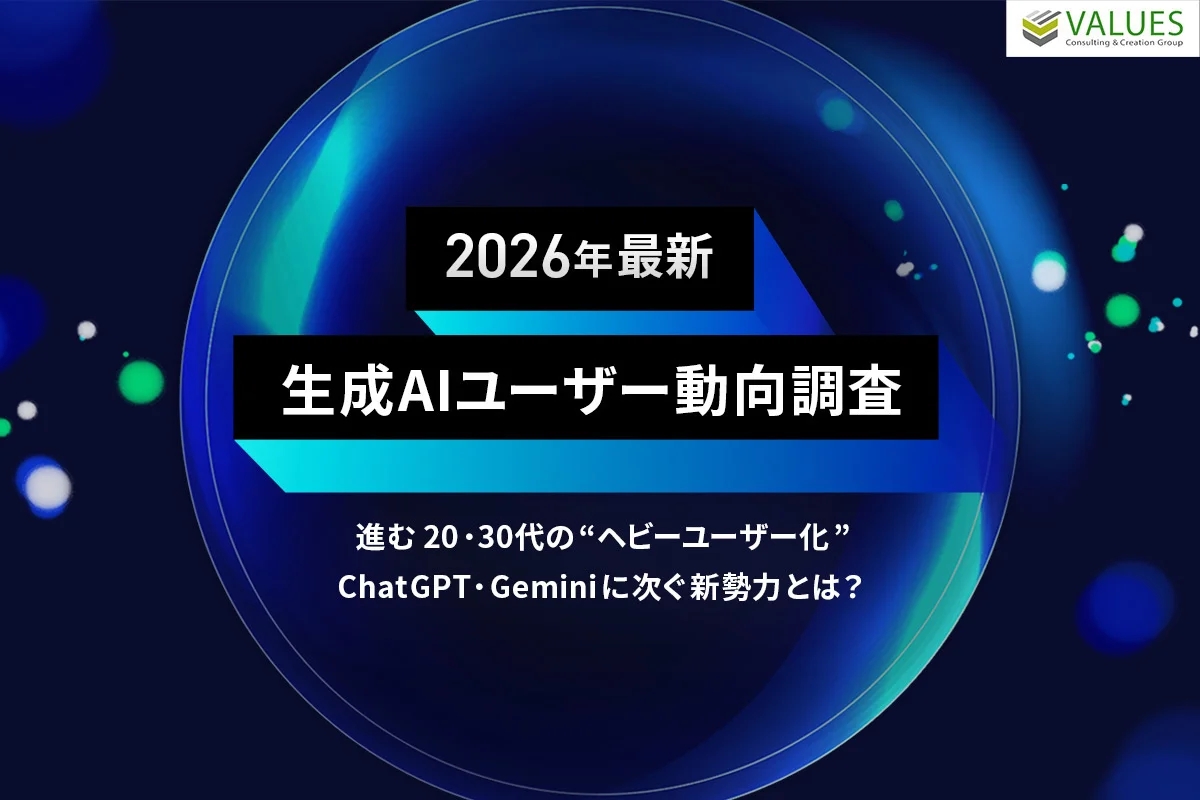
Valuence's "Generative AI User Trends Survey" (June 2024–May 2026) tracked six services including ChatGPT, Gem…
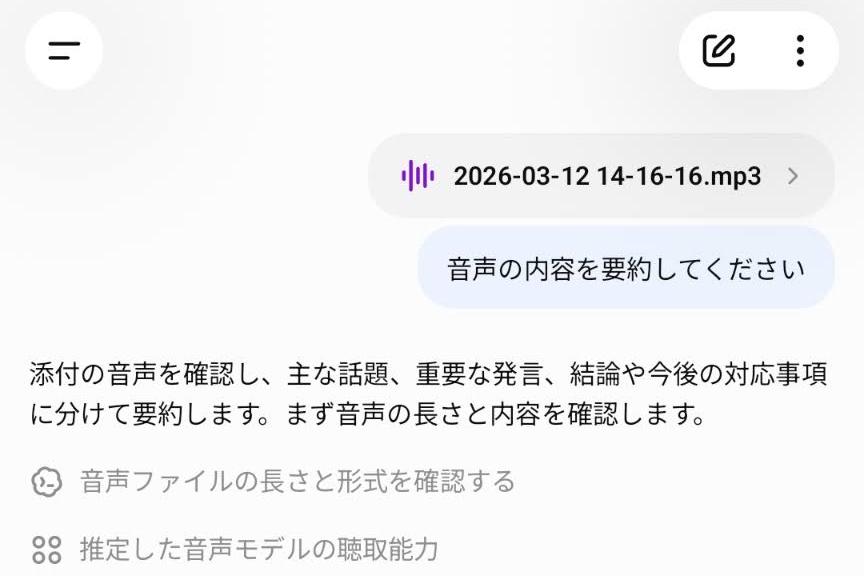
OpenAI began offering a ChatGPT feature that accepts uploaded audio files and can transcribe them, summarize t…
On a self-built 76-question Jev-format set, six trained 3B–9B open-weight models (Imajev-4B, Clef-Flash 9B, Je…

At Gemini at Work, Google introduced the Gemini agent, built into Gemini Enterprise, which gathers information…
Google released Google AI Edge Foresight, a free macOS Labs app that uses EmbeddingGemma 2 and Gemma 4 to tran…
The Association for Human Mathematics said OpenAI's release of 722 AI-generated "mathematical results" is not…