What happened
A developer released Job Seeker, an open-source toolkit that lets AI coding agents (such as Devin, Claude, or Cursor) automate job searching, filtering, and application tracking on LinkedIn. The system reads a user's CV, learns job preferences, and handles repetitive tasks like form-filling and recruiter follow-up—all controlled by a local Postgres database and reviewed through a CLI kanban board or web dashboard.
Why it matters
Job seekers typically spend 5–8 hours per week on job boards and application forms. Job Seeker eliminates that manual work by having an agent search LinkedIn with your Must-have filters, auto-fill Easy Apply forms from stored data, register applications in a persistent database, and draft replies to recruiters in your style. You stay in control and approve what the agent does before it sends anything.
What to watch
The project is designed to be extended to new platforms (a community-maintained PLATFORMS.md catalog lists 35 job boards across five categories). It requires Node.js 22+, a LinkedIn account, a Gmail account, and a free Postgres database (Neon recommended). The full documentation and demo are available on GitHub at https://github.com/galiprandi/job-seeker/.
Summaries like this, in your inbox every morning.
Job Seeker addresses a real friction point in the job search process: the average candidate spends 5–8 hours per week on repetitive tasks like scrolling job boards, filling out forms, tracking applications, and following up with recruiters. By packaging job-search automation as a set of reusable skills rather than a monolithic application, the project sidesteps the need for job seekers to learn a new tool or platform—instead, it plugs into coding agents (such as Claude or Devin) that they may already use. This is a shrewd architectural choice: the skills live in Postgres and markdown format, making them portable and agent-agnostic.
The system's data model reflects this focus on control and transparency. All sensitive information—CVs, preferences, application history, recruiter messages—is stored in the user's own Postgres database (with Neon's free tier as the recommended entry point). The agent operates within that sandbox, executing predefined flows like "apply to 5 jobs" or "review recruiter updates," while a local dashboard or CLI kanban board shows the user the full pipeline at a glance. This keeps the user in the decision loop: the agent automates the grunt work, but the user approves messages and reviews outcomes.
Pick your industry and the AI tools you use, and get news related to your work every day.
Free · 30 seconds with Google · unsubscribe anytimeWhat is AIToday? →
Ask AI anything about this article. The AI reads this article, earlier AIToday articles, and Wikipedia, and cites its sources. Q&As are published on this page for other readers too.
Circlia started a proof-of-concept for TASTE SIGNAL: visitors to Holland Village Cafe FUKUOKA taste cookies an…

In a webinar hosted by French Mathematical Society president Isabelle Gallagher, Fields Medal winner Hugo Dumi…

NVIDIA released Nemotron 3.5 Super VL, an open-weight model with 120 billion parameters that handles text, ima…

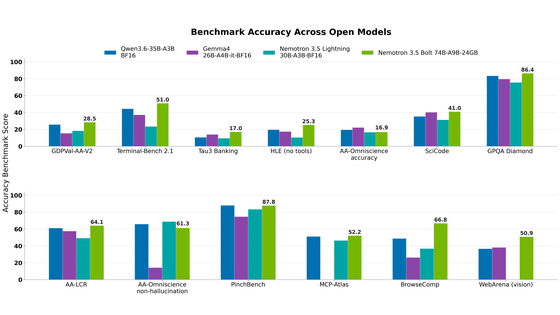
NVIDIA released Nemotron 3.5 Bolt 74B-A9B 24GB, an AI model for local agents that hits over 80 tokens per seco…
NVIDIA published a blog post titled "AI Security Is an Engineering Problem - How to Solve It at Every Layer of…

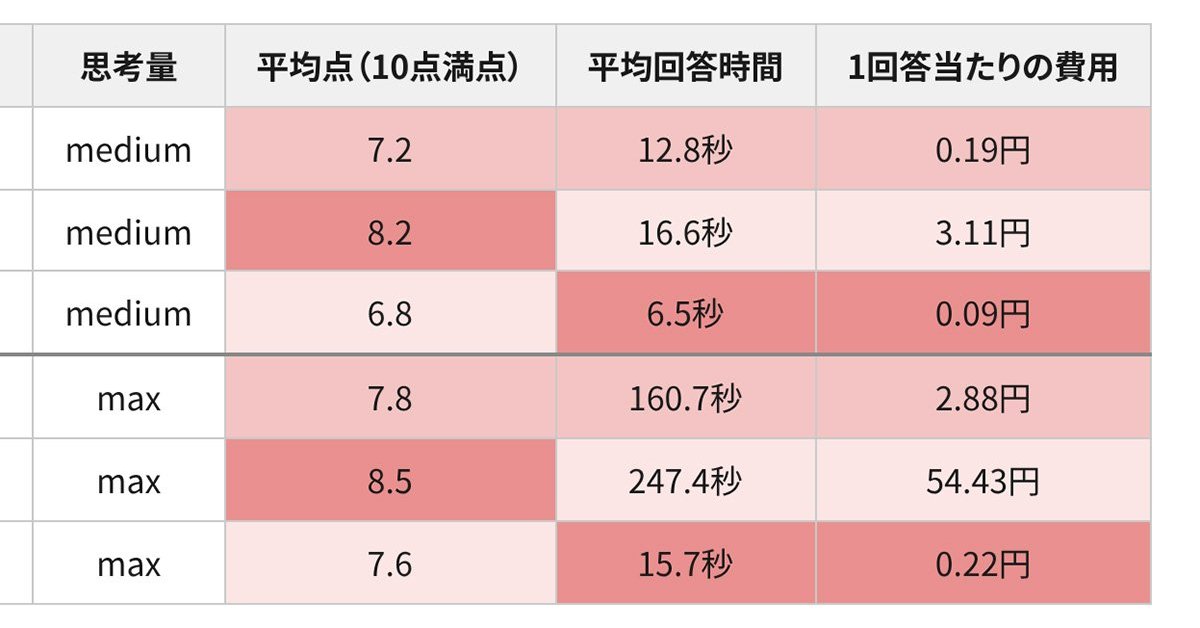
In the test, Haiku 5.5 on medium setting averaged scores close to Sonnet 5.5 on routine documents at about 1/1…