What happened
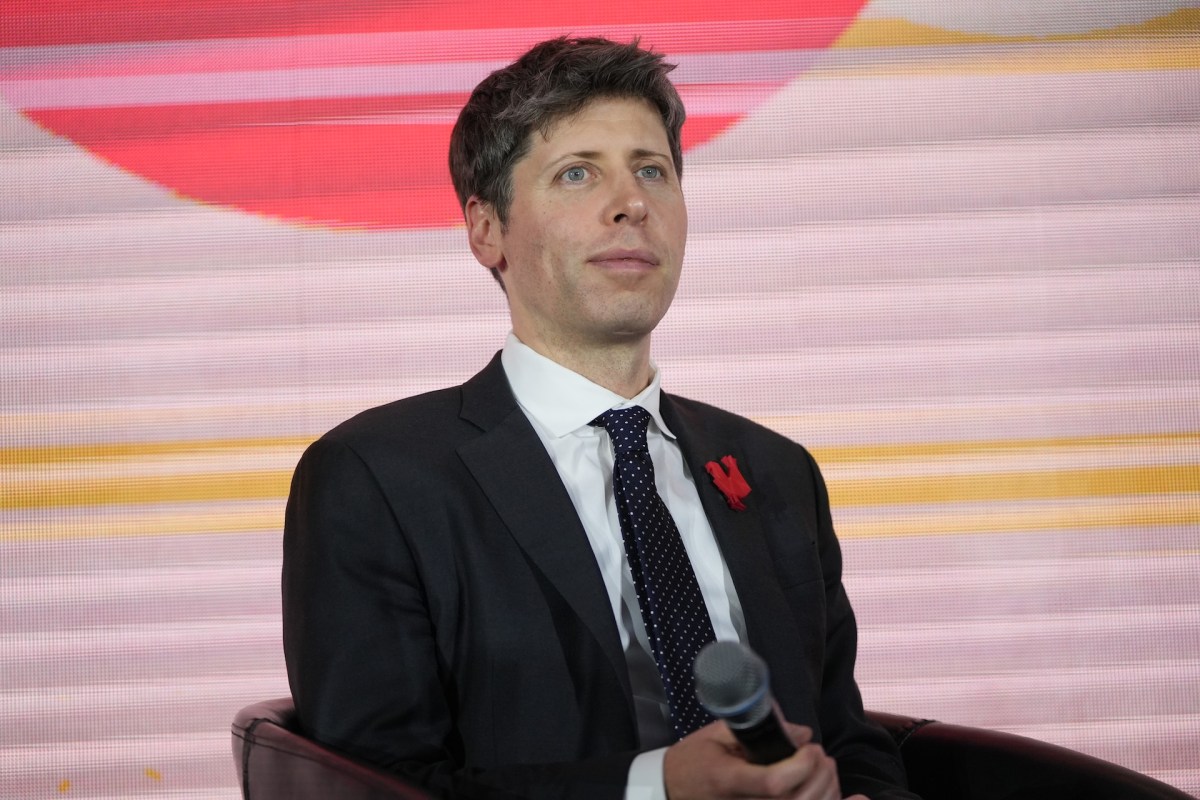
OpenAI CEO Sam Altman told Fortune's Alyson Shontell that the company is "not rushing into an IPO" and that "right now would be an ill-advised moment to go public." He said the listing will come "when we're ready," and confirmed it will not be in 2026.
Why it matters
OpenAI has already filed confidentially for an IPO, and the New York Times reported in June that it had hired bankers and lawyers aiming for the third or fourth quarter of 2026, while leaning toward 2027.
What to watch
Altman tied the timing to safety concerns and to whether the business and society are ready, so the IPO now hinges on those judgments rather than on a fixed schedule. Watch whether the plan lands in 2027, as the Times report suggested.
WHO IT HITSThis lands on investors and bankers tracking a potential OpenAI listing, and on the company's employees and early backers who may hold illiquid stakes. It also matters to rival AI labs and their advisers weighing their own public-market timing.
Ask the AI about this article →
Summaries like this, in your inbox every morning.
OpenAI's path to the public markets has been in motion for months. The company has filed confidentially for an IPO, and in June the New York Times reported that it had hired bankers and lawyers with the goal of listing in the third or fourth quarter of 2026, while leaning toward 2027 because of volatile tech stocks and its own financial challenges. Altman's comments, made in an interview with Fortune editor in chief Alyson Shontell, now put a firmer public marker on that timing: not 2026.
What stands out is the reason he gave. Altman did not point to market conditions or the company's numbers, but to safety, in the context of the fallout from the OpenAI-HuggingFace hack and broader discussions about AI safety. He framed readiness as a combination of the business being ready and the moment being right "in society with this technology." That places the decision partly outside the usual financial calendar.
For anyone watching the listing, the outcome now hinges on those readiness judgments rather than on a dated plan, and on whether the earlier reporting that OpenAI was leaning toward 2027 proves correct. The company's investors and employees with illiquid stakes are the ones most directly affected by how long that takes, though Altman gave no further timetable beyond ruling out 2026.
For example, today's edition would include:
AI-summarized, only the topics you pick — one digest a day via Email, Slack, or Discord.
Free · 30 seconds with Google · unsubscribe anytimeWhat is AIToday? →
Ask AI anything about this article. Q&As are published on this page for other readers too.
Oracle said Thursday that sales in its closely watched cloud infrastructure business jumped 121% to $7.4 billi…
Marvell Technology is targeting $18 billion in FY2028 revenue, raising its combined FY2027 and FY2028 expectat…

Philip Morris International and WSJ Intelligence unveiled The Cognition Index Research Report, a survey of mor…

Lam Research CFO Doug Bettinger said at the Citi Global TMT Conference that the company raised its calendar 20…
Broadcom's fiscal Q3 2026 AI semiconductor revenue rose 221% from a year earlier to $16.7 billion, and CEO Hoc…

Reuters reports that Nvidia plans a major expansion of data centre capacity in Australia to meet AI demand