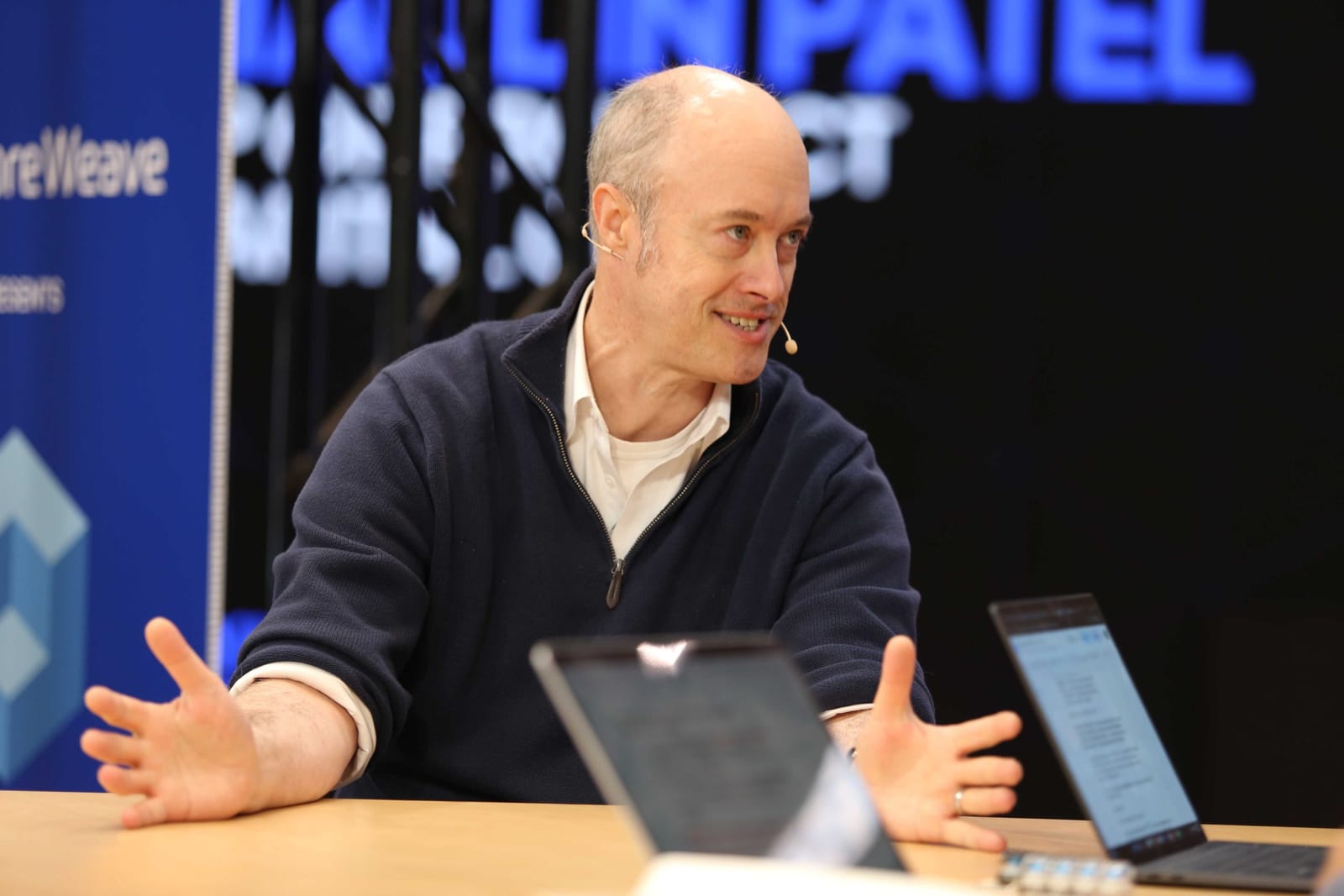
What happened
Nvidia's Ian Buck said at the Fully Connected event that a data center's natural cap is its power, and that Blackwell delivered a 30x improvement in tokens per watt.
Why it matters
That makes tokens per watt a central measure of AI factory economics, so each hardware generation's efficiency gain is what determines how much useful output a site can produce.
What to watch
The test is whether time-sensitive workloads like fintech adopt Nvidia's Groq 3 LPX inference accelerator with the Vera Rubin platform, which Buck said is drawing interest.
WHO IT HITSOperators of AI data centers and the customers buying capacity from them, such as CoreWeave users, face buying decisions based on tokens per watt rather than raw chip count.
Summaries like this, in your inbox every morning.
Buck's argument is that the unit of account for an AI data center has changed. Rather than counting servers, cars or devices, he told theCUBE Research's Dave Vellante and John Furrier that the output is tokens, describing them as appreciating, revenue-generating, fungible, durable and productive parts of an economy. That framing matters because it shifts attention away from the chips themselves and toward the networking, storage, processors and software that must work together at scale.
He also pushed back on the idea that inference replaces training. As companies use models, he said, they refine, align and add data to them, which amounts to a little bit of training, visible in reinforcement learning and online alignment work. A second economic tier is emerging for low-latency workloads where faster reasoning commands a higher value, which is where the Groq 3 LPX and Vera Rubin combination fits.
The stakes appear to hinge on execution rather than demand. Power capacity caps how much infrastructure a site can deploy, so the pressure is on vendors to keep raising tokens per watt with each generation. Buck pointed to Blackwell as evidence of that pace and to CoreWeave's menu of configurations and higher-level inference services as a way to spare customers from overwhelming choices. Whether that partner-led model holds as agentic systems pull on multiple models, databases and tools is likely to shape how quickly AI factories convert power into revenue.
Pick your industry and the AI tools you use, and get news related to your work every day.
Free · 30 seconds with Google · unsubscribe anytimeWhat is AIToday? →
Ask AI anything about this article. The AI reads this article, earlier AIToday articles, and Wikipedia, and cites its sources. Q&As are published on this page for other readers too.
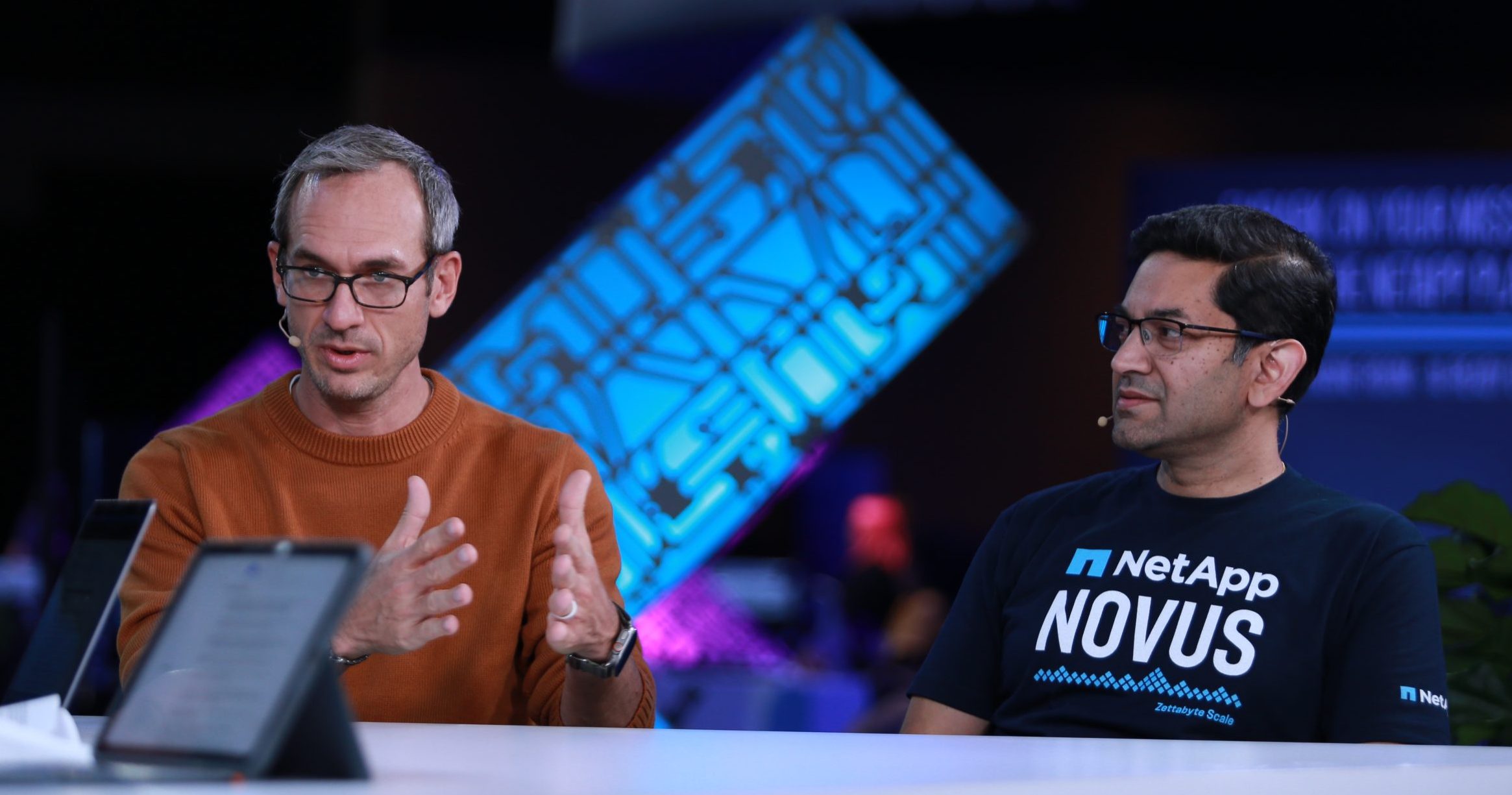
NetApp CTO Arindam Banerjee said the Novus architecture separates data and metadata so each scales independent…
Cardinal Digital Marketing announced its healthcare AI growth operating system OmegaHealth will debut at its f…

Credo Technology Group reported FY 2026 revenue of nearly $1.3 billion, up roughly 205.7%, while Arm's FY 2026…

AMD signed a definitive agreement to acquire World Labs, an AI model and research lab led by Dr Fei-Fei Li, in…

Thieves stole two PlusAI trailers from its Fremont, California warehouse last week, one Nvidia-branded, but th…

US District Judge Amit Mehta dismissed antitrust lawsuits from Chegg and Penske Media that accused Google of c…