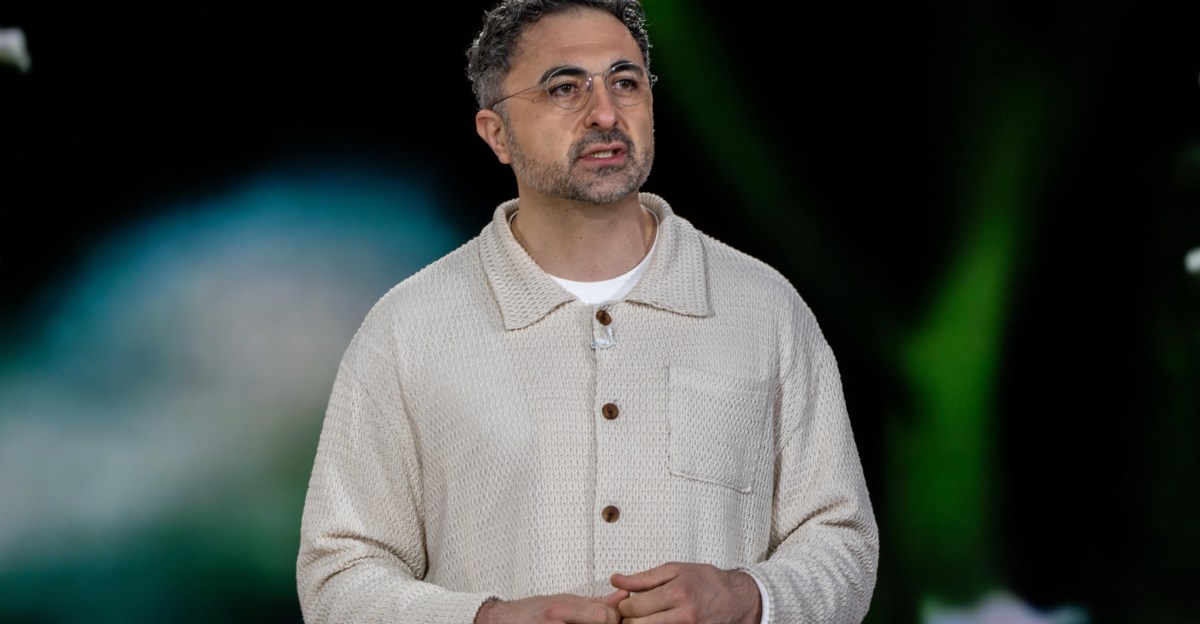
What happened
Microsoft's Diagnostic Orchestrator, powered by OpenAI's GPT-5, scored about 83 percent diagnostic accuracy on New England Journal of Medicine cases, versus roughly 36 percent for generalist physicians, per findings in Science.
Why it matters
The results, which Microsoft says show AI diagnosing conditions up to four times more accurately than human doctors, are based only on past cases and still need clinical validation, CEO Mustafa Suleyman says.
WHO IT HITSHospital systems and clinicians evaluating AI-assisted diagnosis will face early evidence that a multi-agent system can outperform physicians on archived cases, but adoption likely hinges on the real-world clinical testing Microsoft says is still ahead.
Summaries like this, in your inbox every morning.
Microsoft's Diagnostic Orchestrator was first developed when GPT-4.1 was the most advanced model available, and the researchers say subsequent testing suggests that improvements in model capability do not necessarily diminish the benefits of having multiple agents work together. The peer-reviewed paper does not include newer models such as GPT-6 Astra, Meta's Muse Wonder Full, Google's Gemini 4 Argon, or Anthropic's Opus 5.5.
The research is part of a broader ambition at Microsoft to develop what the company calls medical superintelligence, a goal it says would outperform the best human-led healthcare systems. Diagnosis is only one area; the company has outlined five others AI will need to master, including coordinating clinical care and making treatment decisions. The path to deployment is constrained by regulation and by the need for real-world evidence, which Microsoft acknowledges is still missing.
Pick your industry and the AI tools you use, and get news related to your work every day.
Free · 30 seconds with Google · unsubscribe anytimeWhat is AIToday? →
Ask AI anything about this article. The AI reads this article, earlier AIToday articles, and Wikipedia, and cites its sources. Q&As are published on this page for other readers too.
Morgan Stanley already blocks AI agents entirely, and JPMorgan, Bank of America and Citi are doing the same, A…

Modal CEO Erik Bernhardsson said the AI infrastructure company crossed $1 billion in annualized run rate, rais…
Goldman Sachs crowned Every Cure, a Frankfurt analyst team, winner of its 11th Analyst Impact Fund, awarding i…

Zuckerberg said Muse, released to the public last month, has been downloaded and set up by more than 10 millio…

In a Science study using complex New England Journal of Medicine cases, Microsoft's MAI-DxO was correct 83% of…
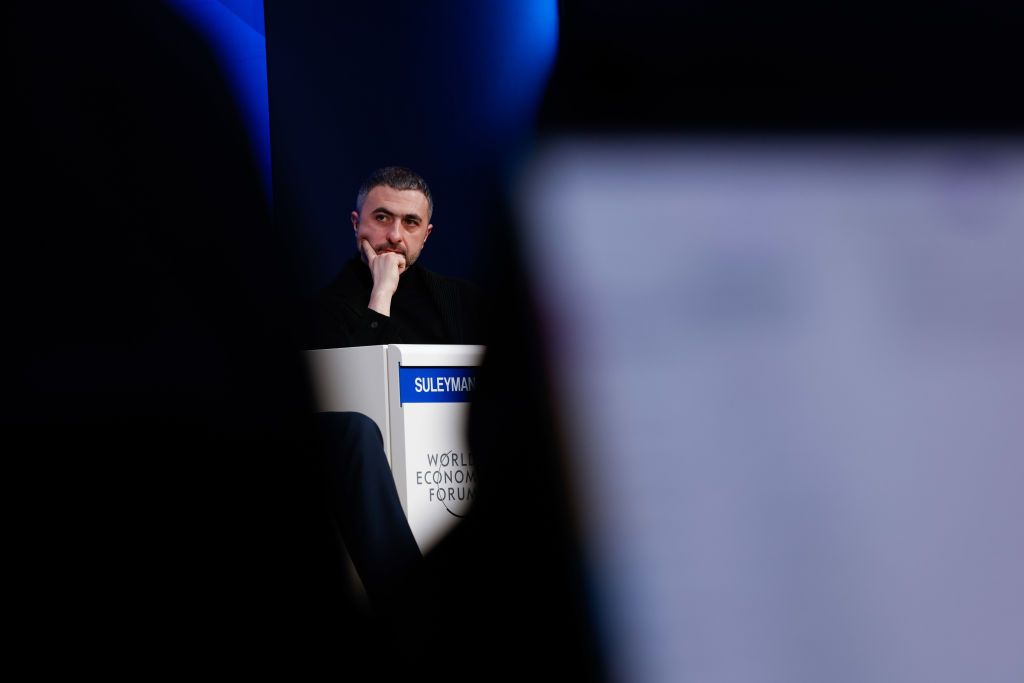
Microsoft says China state-aligned hackers stole application credentials from ConnectWise's cloud backup servi…