What happened
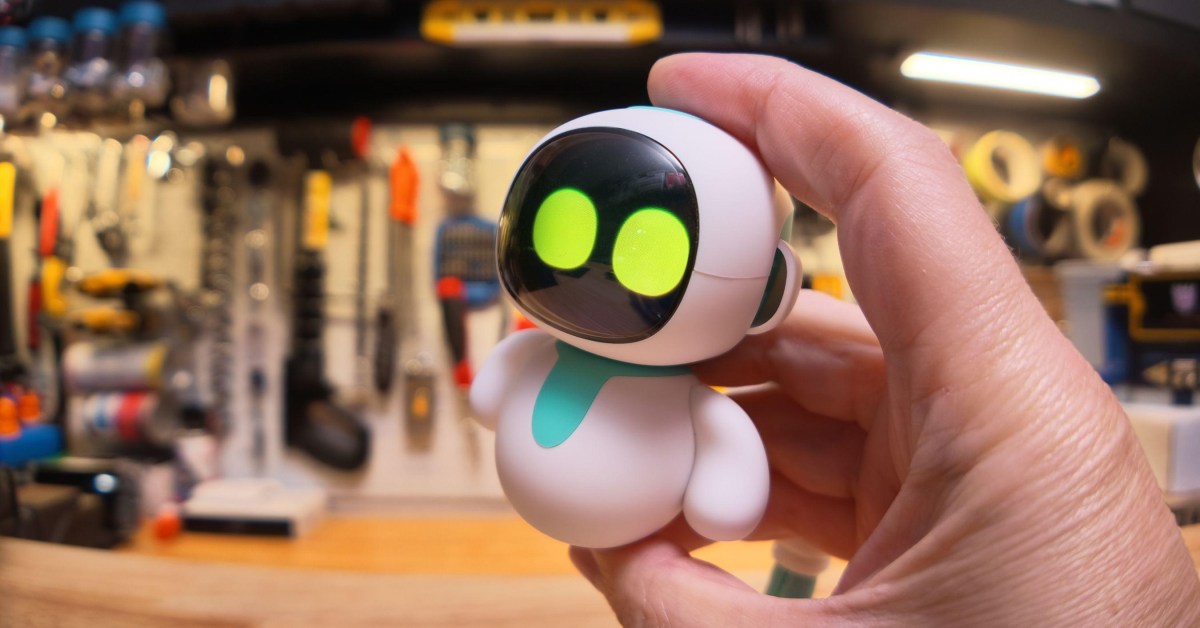
Researcher Sammy Azdoufal discovered Energize Lab's Eiliko robot stores 13 million conversations from 68,000 toys on unsecured Chinese servers, including over 31,000 profiles of children in the US. He could also remotely hijack the toy's AI personality.
Why it matters
The toy's AI companion profiles users by name, age, and personality traits, and stores photos, audio, and emails at public web addresses, creating a trove for scammers and exposing families' private data.
WHO IT HITSParents who bought Eiliko toys for their children face the risk that their family's private conversations and photos are exposed to hackers. The incident also affects any company selling internet-connected toys, as it highlights the security and privacy risks of cheap connected devices.
Summaries like this, in your inbox every morning.
The Eiliko case is the latest in a series of security failures uncovered by accidental hacker Sammy Azdoufal, who this spring and summer showed similar vulnerabilities in DJI robot vacuums, Meari baby monitors, and security cameras. This time, his discovery reveals not just poor security but intentional profiling: Energize Lab's service reads conversations to build detailed profiles of users, including their profession, family, and personality traits. For example, it logged that a 52-year-old customer service worker named Lucy is 'kind, empathetic, hardworking' but 'has difficulty trusting family members.'
The company's privacy policy claims audio recordings are encrypted, transmitted to service partners like Alibaba Cloud, and deleted immediately after processing. However, Azdoufal found that audio files, photos, and full-text conversation databases were stored unencrypted at public web addresses. Many admin passwords were also among the most common, making unauthorized access trivial. Despite repeated outreach from both Azdoufal and The Verge, Energize Lab did not engage with the security concerns, leaving users unaware of the exposure.
The implications extend beyond this single toy. The data includes over 31,000 profiles belonging to children in the United States, the largest market for these robots. With hackers able to search conversations for terms like 'suicide' or retrieve photos of children, the exposed information could be used for targeting and scams. The fact that a hacker could hijack an entire fleet's personality simultaneously suggests a systemic vulnerability that could affect any connected toy with similar architecture, though it remains unclear how many other devices share these flaws.
Pick your industry and the AI tools you use, and get news related to your work every day.
Free · 30 seconds with Google · unsubscribe anytimeWhat is AIToday? →
Ask AI anything about this article. The AI reads this article, earlier AIToday articles, and Wikipedia, and cites its sources. Q&As are published on this page for other readers too.
ZOZO NEXT and AVITA signed an MOU on joint research into textiles and clothing specialized for humanoid robots…

Day 2 at TechCrunch Disrupt 2026 in San Francisco's Moscone West features speakers from Nvidia, Waabi, Flock S…

NEURA Robotics introduced Neuron AI, a multimodal foundation model combining 3D vision, touch, audio, robot st…
Dyna Robotics released Dyna-2.1, a physical robot agent built around its Dyna-2 world-action model, which it s…
SoftBank CEO Masayoshi Son spoke about superintelligence, AI investing, and the future of robotics, in a discu…

Scan Computers partnered with Sheffield-based OLO Robotics to combine Scan's robotics hardware with OLO's brow…