What happened
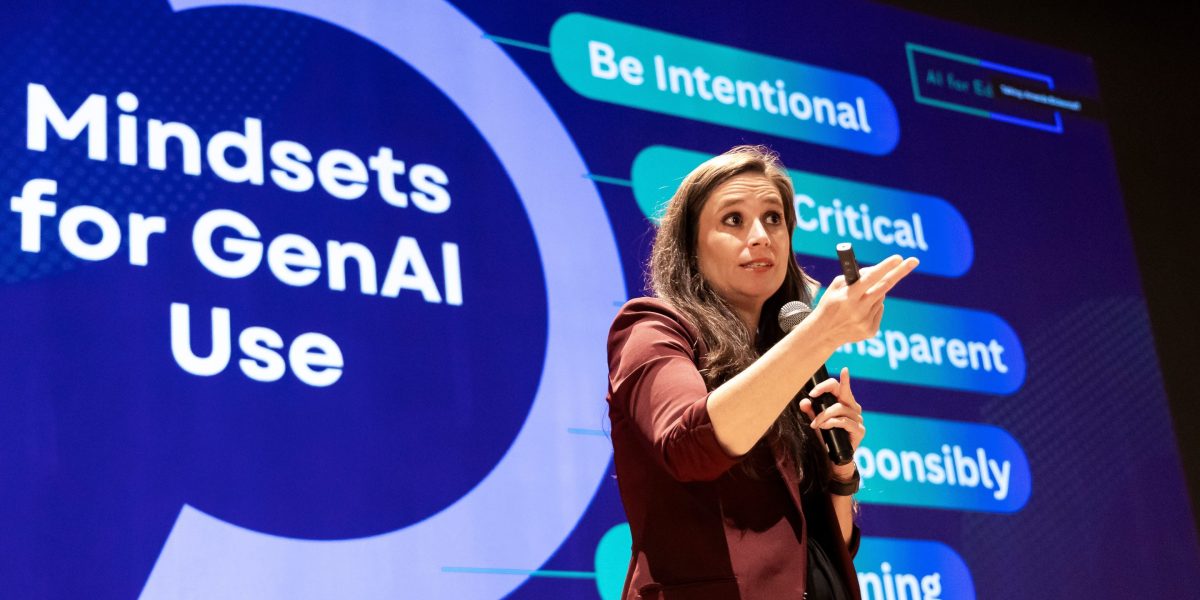
Educators in Charleston, South Carolina and other U.S. school districts are shifting from banning AI to teaching students how it works—including its tendency to produce false information. Amanda Bickerstaff, founder of AI For Education, demonstrated this by asking an AI tool to draw a world map; the result showed countries like Mali spelled "Mail," Egypt as "Sopth," and Libya replaced with "Africa." The goal is to build 'AI literacy'—understanding when and how to use the technology safely.
Why it matters
Studies show a majority of teenagers and teachers nationwide are already using AI for schoolwork but teaching themselves, with very few receiving formal training. Schools want to avoid repeating mistakes made with social media, where young people were left to explore without learning about algorithmic addiction and mental health impacts. As Rebecca Winthrop of the Brookings Institution put it, good AI literacy includes knowing "when not to use it."
What to watch
Charleston County School District (50,000 students) is rolling out Phase 2 training this school year—online and in-person instruction for teachers and middle and high schoolers on how AI tools work and their limitations. Utah has taken a statewide approach: it named Matt Winters as the first full-time state AI education specialist in 2024, and he has trained over 7,000 teachers (almost a third of Utah's public school instructors). State law requires Utah districts to have AI policies in place by July 2027.
Summaries like this, in your inbox every morning.
The shift from AI bans to AI literacy reflects a broader recognition that young people are already using the technology widely and unsupervised. Studies cited in the article show that a majority of teenagers and teachers nationwide are using AI for schoolwork but are self-taught, with very few having formal training. Schools see an opportunity to channel this use productively rather than suppress it—learning from past mistakes with social media, where young people explored without understanding addictive algorithms or mental health impacts.
Two distinct models are emerging. Charleston County and other districts are building bottom-up approaches with local input from teachers, students, and parents, then delivering targeted instruction on how AI tools work and their pitfalls. Utah took a state-level path: creating a dedicated full-time specialist role to standardize training and negotiate data privacy agreements and discounted tool access for under-resourced districts. Both approaches share a core aim—equipping students with analytical skills so they verify information and understand when to rely on their own thinking rather than deferring to AI.
A critical tension remains: ensuring equitable access. Extensive AI literacy training requires significant investment. Utah addressed this by centralizing procurement and training delivery (one effort was funded by a $500,000 grant from a local healthcare provider), but other states lack such resources, raising concerns that students in under-resourced districts may fall behind.
Pick your industry and the AI tools you use, and get news related to your work every day.
Free · 30 seconds with Google · unsubscribe anytimeWhat is AIToday? →
Ask AI anything about this article. The AI reads this article, earlier AIToday articles, and Wikipedia, and cites its sources. Q&As are published on this page for other readers too.

