What happened
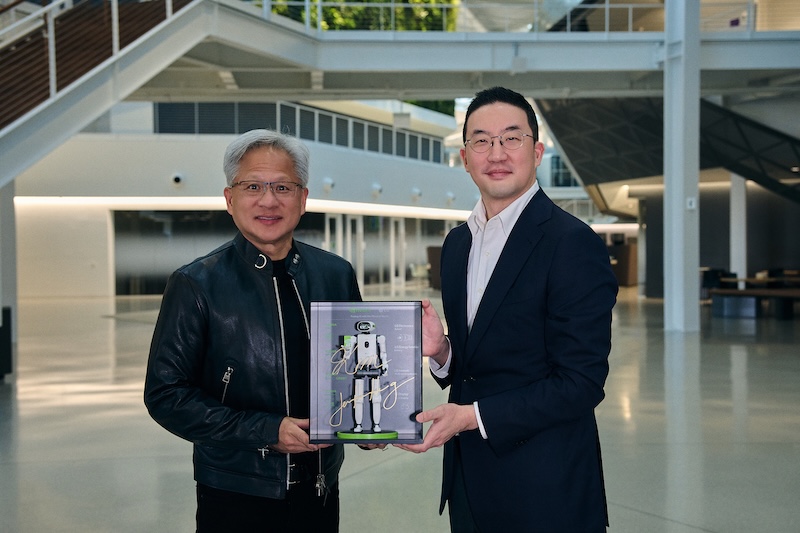
LG and Nvidia signed a memorandum of understanding on August 13 at Nvidia's Santa Clara headquarters, with LG chairman and CEO Kwang Mo Koo and Nvidia founder and CEO Jensen Huang in attendance. LG is developing a next-generation bipedal humanoid robot powered by Nvidia Isaac GR00T for public unveiling in the first quarter of next year, and will also deploy wheel-based robots to LG Electronics' washing machine manufacturing line in Tennessee this year for validation.
Why it matters
The collaboration marks a shift from strategic planning into execution across robotics, AI factories, and autonomous vehicles. LG plans to build an 80 MW scale AI factory in Cheonan, Chungcheongnam-do by the first half of 2028, and develop next-generation autonomous vehicle platforms. These moves position LG to offer validated solutions to global customers and expand into the autonomous driving and AI infrastructure markets.
What to watch
LG will deploy wheel-based robots to its Tennessee facility this year; the humanoid will be unveiled in Q1 2027; an AI factory reference site powered by Nvidia Vera Rubin is planned for the first half of 2027; and the 80 MW AI factory is targeted for the first half of 2028. LG and Nvidia will operate a joint Task Force to drive execution across R&D, site validation, and commercialization.
Summaries like this, in your inbox every morning.
LG and Nvidia's August 13 memorandum of understanding represents a significant expansion of their existing collaboration, moving from strategic discussion into concrete execution across three key domains: physical robotics, AI manufacturing infrastructure, and autonomous vehicles. The partnership brings together LG's established expertise in product engineering, manufacturing, and component design (including actuators, sensors, and batteries) with Nvidia's AI computing platforms and foundation models. LG's decision to validate its wheel-based CLOiD robots at its own Tennessee washing machine plant signals a pragmatic approach to real-world testing, where the company can refine performance and utility before expanding to other facilities and commercial deployments.
The AI factory initiative is particularly ambitious in scale. LG's plan to build an 80 MW facility by the first half of 2028 reflects confidence in both the demand for AI infrastructure and LG's ability to integrate Nvidia's DSX platform with its own thermal management, power, and design capabilities. By first validating a reference site in 2027, LG appears to be de-risking the larger project while gathering operational data. The company's stated goal to offer turnkey "One LG" solutions to global customers suggests LG intends to monetize this infrastructure expertise beyond its own operations. The vehicle platform work, built on Nvidia DRIVE Hyperion, extends LG's existing in-vehicle infotainment capabilities into autonomous driving, a domain where integration with AI services inside the cabin could differentiate LG's offerings to original equipment manufacturers.
Pick your industry and the AI tools you use, and get news related to your work every day.
Free · 30 seconds with Google · unsubscribe anytimeWhat is AIToday? →
Ask AI anything about this article. The AI reads this article, earlier AIToday articles, and Wikipedia, and cites its sources. Q&As are published on this page for other readers too.
Chunghwa Telecom president Rong-shy Lin said the shift from conversational AI to autonomous AI agents is resha…

CoreWeave fell 5% in premarket trading Friday and was on track to finish the week down 15%, after rebounding f…

Apple and Meta said they would jointly release a new open-weight AI model designed to run on high-end Macs, ai…

Investors put $38.5 billion into Asian startups in Q3, per Crunchbase data

A longtime Anthropic investor told Fortune he expects shares priced around $1.8 trillion, below the company's…

In Q2, billionaires or their funds sold six 'Magnificent Seven' AI stocks


