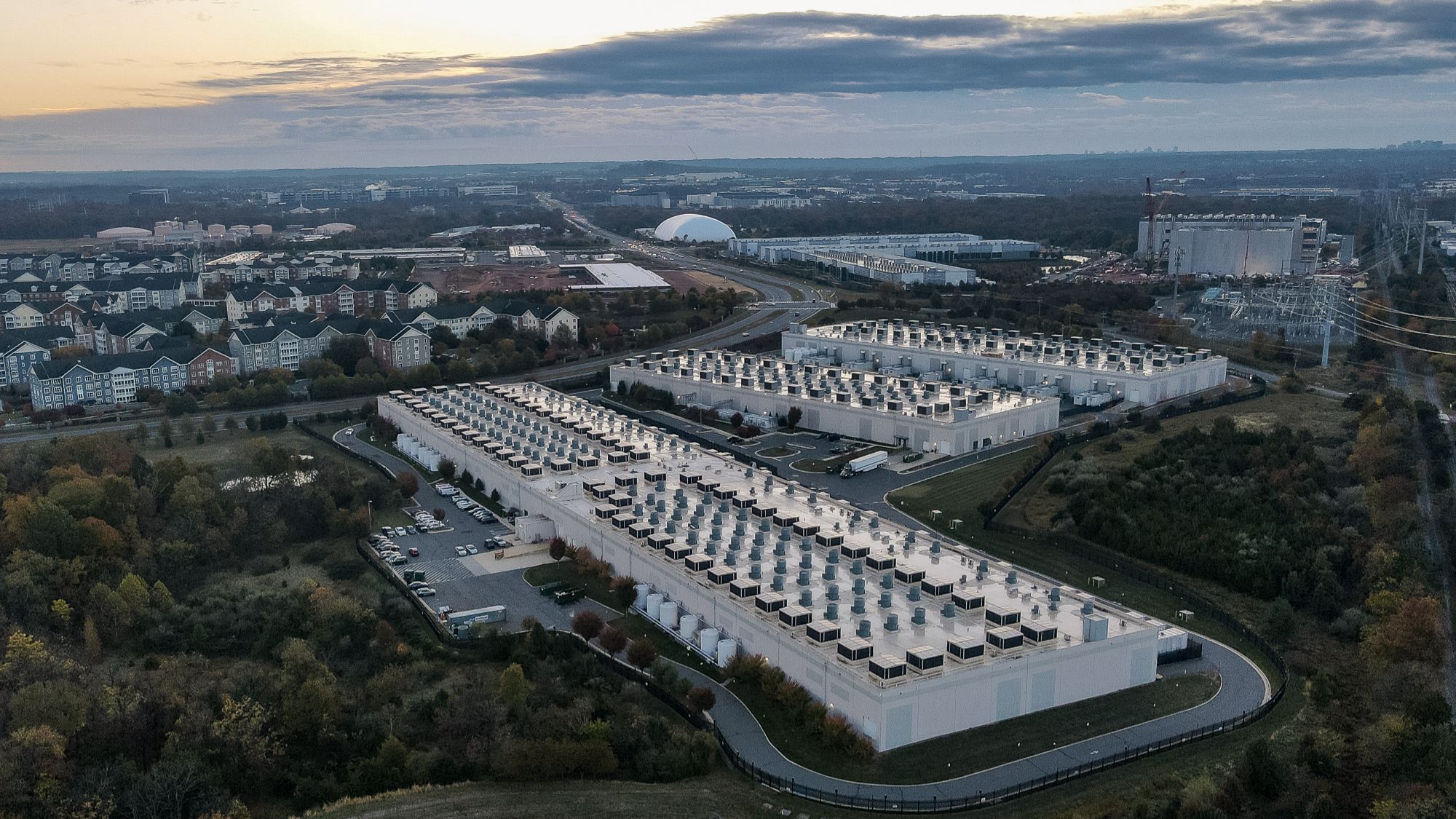
Amazon built an AI data center in Gilroy, California, on 56 acres of farmland by using zoning rules from 45 years ago, which allowed it to bypass the modern community-review process that would normally accompany such a major project.
Residents were unable to comment because the formal public-comment period had closed in 2024, before data centers became a hot-button issue.
The mayor says the company is now engaging more directly with the community and has pledged water-efficiency measures and local benefits.
What happened
Amazon began construction on a 56-acre AI data center in Gilroy, California, last month without triggering the community review process that would normally apply to such a major project. The company was able to proceed under industrial zoning rules established 45 years ago, even though the formal public-comment period had closed in 2024, before data centers became a widespread concern.
Why it matters
Residents like Rosa Rodriguez were unable to voice concerns about water usage—a documented problem at other data centers in drought-prone regions—because the comment window had already passed. Gilroy Mayor Greg Bozzo acknowledged that residents now want a say in such projects but notes the city had previously approved similarly-scaled industrial developments (like a food-distribution center) without community engagement.
What to watch
Amazon says it is now engaging more directly with Gilroy residents, including hosting an open house for questions and comments. The company also committed to building a wastewater recovery system and pipeline to supply its own water needs, plus providing tax revenue, construction jobs, and a million-dollar donation toward a new fire truck.
Ask the AI about this article →
Amazon's Gilroy data center represents a clash between existing regulatory frameworks and current community expectations. The company submitted its application in 2020, well before data centers became a widespread national concern, and navigated a lengthy approval process that included public notices and comment periods as required by law at that time. By the time residents like Rosa Rodriguez sought to weigh in on water-usage impacts in 2024, the formal comment window had closed—a procedural technicality that now feels out of step with how communities view major infrastructure projects.
Mayor Bozzo's observation that Gilroy previously accepted similarly-scaled industrial projects without public engagement highlights how the rules and expectations around industrial development have shifted. His concession that "we have an opportunity to change the way that we do business in Gilroy" suggests the city recognizes the gap between the zoning framework (45 years old) and what residents now expect. Amazon's post-hoc community engagement—open houses, direct resident meetings, and commitments to wastewater recovery—appears to be an attempt to address that gap, though it cannot undo the fact that the approval already proceeded without those conversations.
For example, today's edition would include:
AI-summarized, only the topics you pick — one digest a day via Email, Slack, or Discord.
Free · takes 30 seconds · unsubscribe anytimeWhat is AIToday? →
Ask AI anything about this article. Q&As are published on this page for other readers too.
The Supreme Court of Japan has included about ¥60 million in its fiscal 2027 budget request for AI-related exp…
The Consumer Affairs Agency said Tuesday it will use generative AI to analyze about 900,000 annual consultatio…

OpenAI announced its support for California Senate Bill 1119, which aims to establish strong, age-appropriate…

Bank of England governor Andrew Bailey warned that advanced AI poses risks to financial infrastructure in a le…

Andrew Bailey, head of the world's financial stability watchdog, warned in a letter to G20 finance ministers a…

The European Union is expanding regulation of ChatGPT and will mandate protections for minors