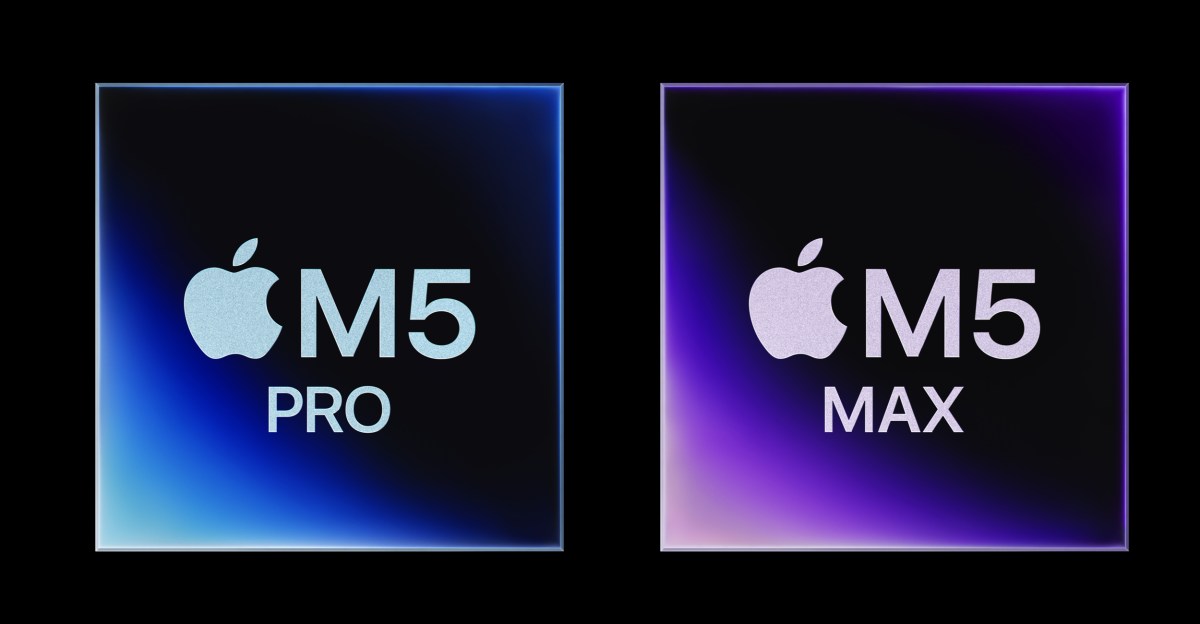
What happened
Apple is skipping the Pro, Max, and Ultra versions of its upcoming M6 chip and instead accelerating development of the M7, which should arrive in the first half of 2027 with significant Neural Engine upgrades. The M7 Ultra is expected to be the basis for a new server product from Apple as well, with support for up to 1.5TB of RAM.
Why it matters
Apple's powerful on-device AI processing capabilities stem from the Neural Engine, which originated in the company's failed self-driving car program. By concentrating on Neural Engine improvements rather than broad M6 iterations, Apple is doubling down on hardware as a cornerstone of its AI strategy going forward, differentiating itself through on-device processing that supports privacy by reducing cloud data transmission.
What to watch
The M7 is scheduled to arrive in the first half of 2027 with significant Neural Engine upgrades. The M7 Ultra will support up to 1.5TB of RAM for the new server product.
Summaries like this, in your inbox every morning.
Apple's decision to skip M6 iterations in favor of accelerating the M7 reflects a strategic pivot toward Neural Engine-driven AI capabilities. The Neural Engine itself has an unexpected origin: it grew out of work on a self-driving car platform that never shipped. Although that automotive effort failed, the on-device AI processing architecture it generated became foundational to Apple's competitive advantage. The Neural Engine first appeared in the iPhone X and A11 Bionic, initially powering computer vision features like Face ID, Animoji, and augmented reality. From there, Apple extended the technology to its desktop and laptop chips via the M-series, establishing the company as an early leader in bringing neural processing to consumer hardware.
While Apple's AI software efforts have lagged behind competitors, the hardware foundation has been strong. By concentrating investment on Neural Engine upgrades rather than spreading development across multiple M6 variants, Apple is signaling that on-device AI performance and privacy are its primary differentiators going forward. The planned support for up to 1.5TB of RAM in the M7 Ultra also suggests Apple is preparing for server-scale workloads, extending its neural processing advantage beyond personal devices.
Pick your industry and the AI tools you use, and get news related to your work every day.
Free · 30 seconds with Google · unsubscribe anytimeWhat is AIToday? →
Ask AI anything about this article. The AI reads this article, earlier AIToday articles, and Wikipedia, and cites its sources. Q&As are published on this page for other readers too.
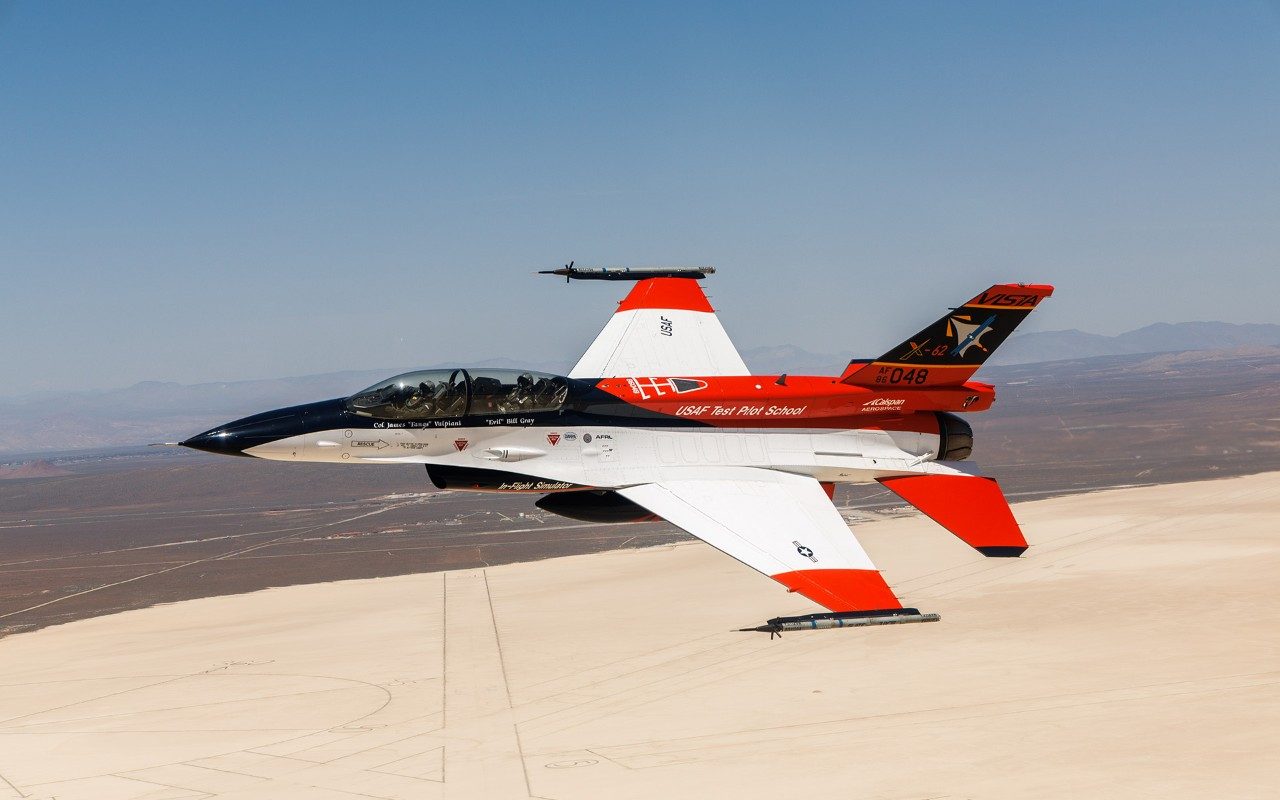
The Air Force upgraded the X-62 VISTA with advanced radar, expanded sensors and computing, and modern network…
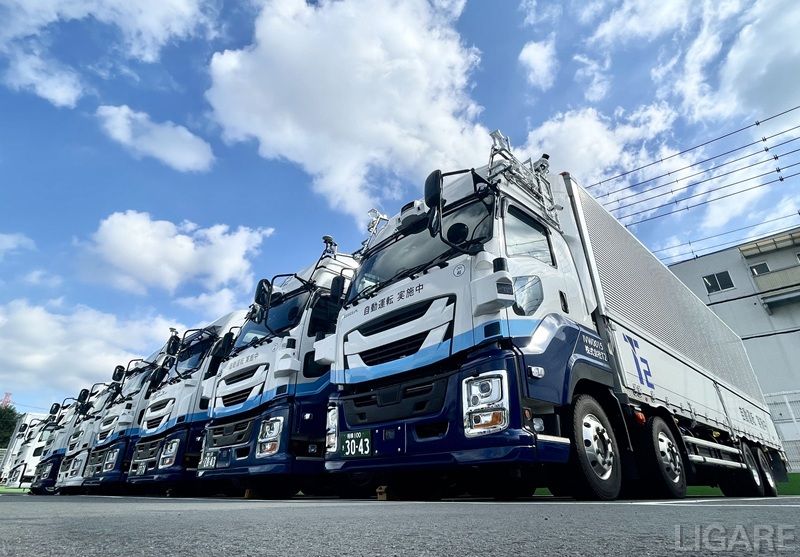
T2 said it will join ENEOS and others in the Agency for Natural Resources and Energy's demonstration project f…
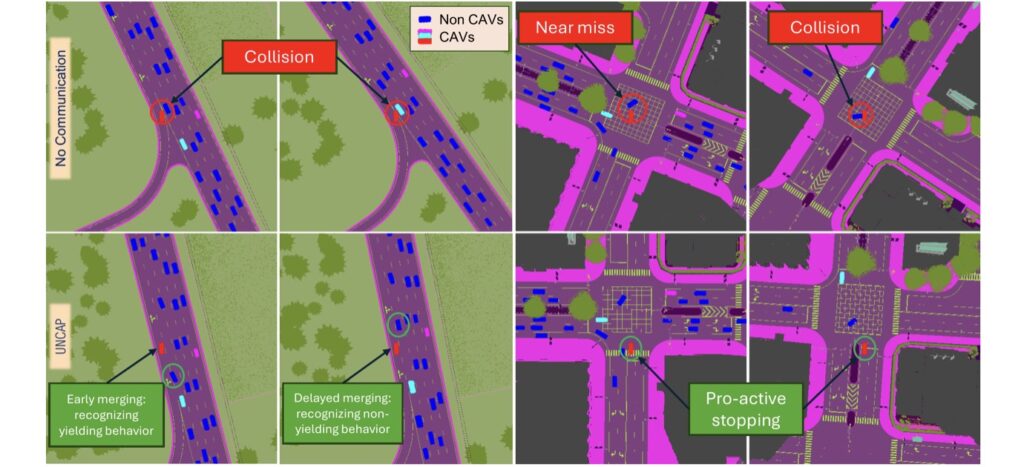
Researchers present neurosymbolic planning using natural language communication for cooperative autonomous veh…
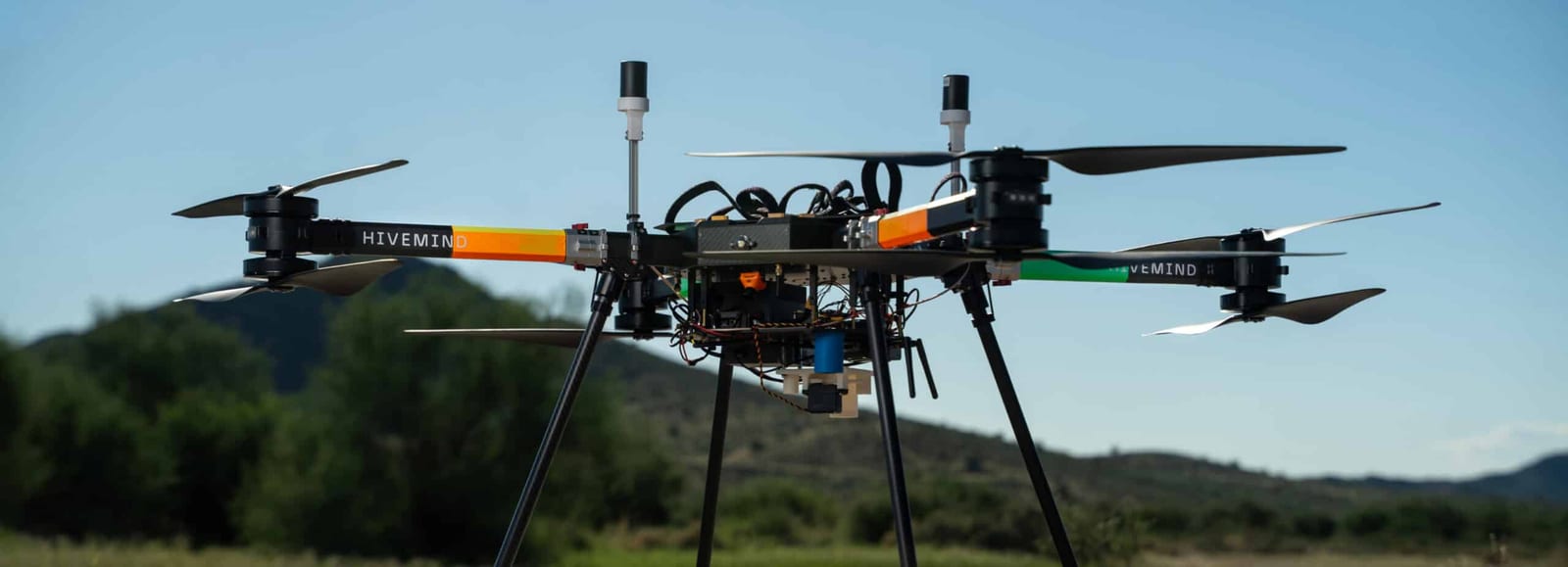
Honeywell Aerospace flew a BFD-SE8 autonomously in mid-June, six weeks after starting Shield AI's Hivemind Ent…
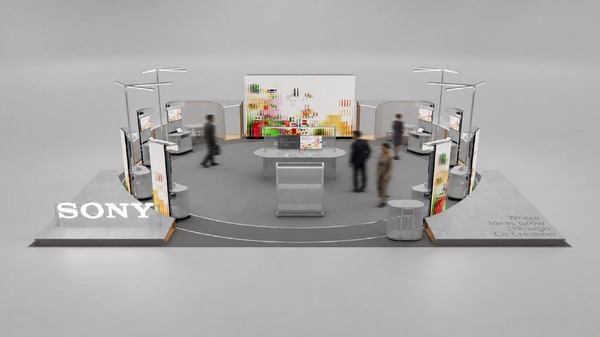
Sony will exhibit at CEATEC 2026, held October 13–16 at Makuhari Messe in Chiba, under the theme "Where Ideas…
PlusAI filed registration documents with the SEC for its proposed merger with Texas Ventures Acquisition III C…