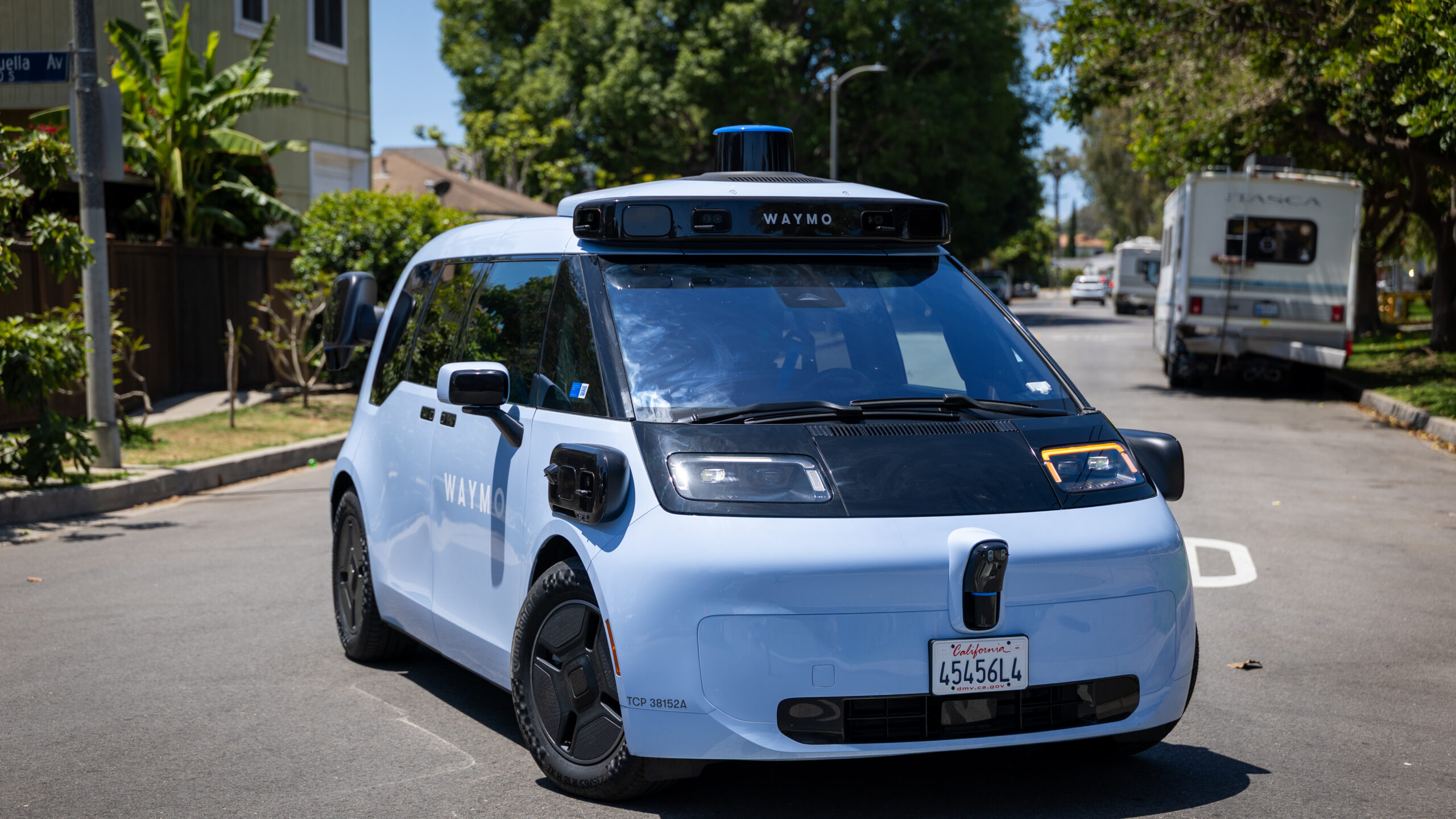
What happened
Waymo's application to the California Public Utilities Commission to expand its service area and add its new Ojai vehicles to its fleet remains pending. The company cannot yet charge passengers for rides in the Ojai, a pale blue Chinese-made car that started picking up riders last month, while it continues to charge for rides in its Jaguar I-PACE robotaxis.
Why it matters
Unlike other states that allow robotaxis to launch with minimal oversight, California requires approval from both the Department of Motor Vehicles and the Public Utilities Commission before companies can carry paying passengers. This regulatory requirement is delaying Waymo's expansion into Northern California (from Sea Ranch and Sacramento through Berkeley, Oakland, and San Jose) and Southern California (from Los Angeles into Thousand Oaks, Santa Clarita, and down to the Tijuana border past San Diego).
What to watch
Waymo's Ojai rides could remain free until the end of September and beyond if the regulatory delay persists, creating an unusual situation where one vehicle type in the fleet is subsidized while another generates revenue.
Summaries like this, in your inbox every morning.
California's regulatory framework for autonomous vehicles stands apart from most other states. While other jurisdictions allow robotaxis to launch testing operations and later public service with minimal or no oversight, California mandates that companies obtain approval from the state Department of Motor Vehicles to operate vehicles on public roads and then secure permission from the California Public Utilities Commission—which regulates taxi and other transportation services—before they can legally charge passengers. This two-tier approval process, designed to ensure safety and consumer protection, is creating an unexpected side effect for Waymo: its new Ojai vehicles, which entered service last month, must operate without charging riders until the regulatory decision arrives.
Waymo applied to the CPUC in January for the necessary permissions, seeking to both expand geographically and integrate the new vehicle type into its fleet. The pending approval is the only factor preventing the company from charging for Ojai rides and from entering the substantial California markets it has identified. The delay illustrates how regulatory rigor, even when well-intentioned, can create gaps between a company's operational capability and its commercial model—in this case, offering free service in one new vehicle while continuing to monetize trips in its existing fleet.
Pick your industry and the AI tools you use, and get news related to your work every day.
Free · 30 seconds with Google · unsubscribe anytimeWhat is AIToday? →
Ask AI anything about this article. The AI reads this article, earlier AIToday articles, and Wikipedia, and cites its sources. Q&As are published on this page for other readers too.
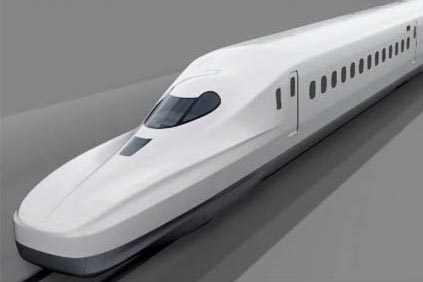
JR Central announced the S0系 on October 16, its first full model change since the N700S, with commercial servi…
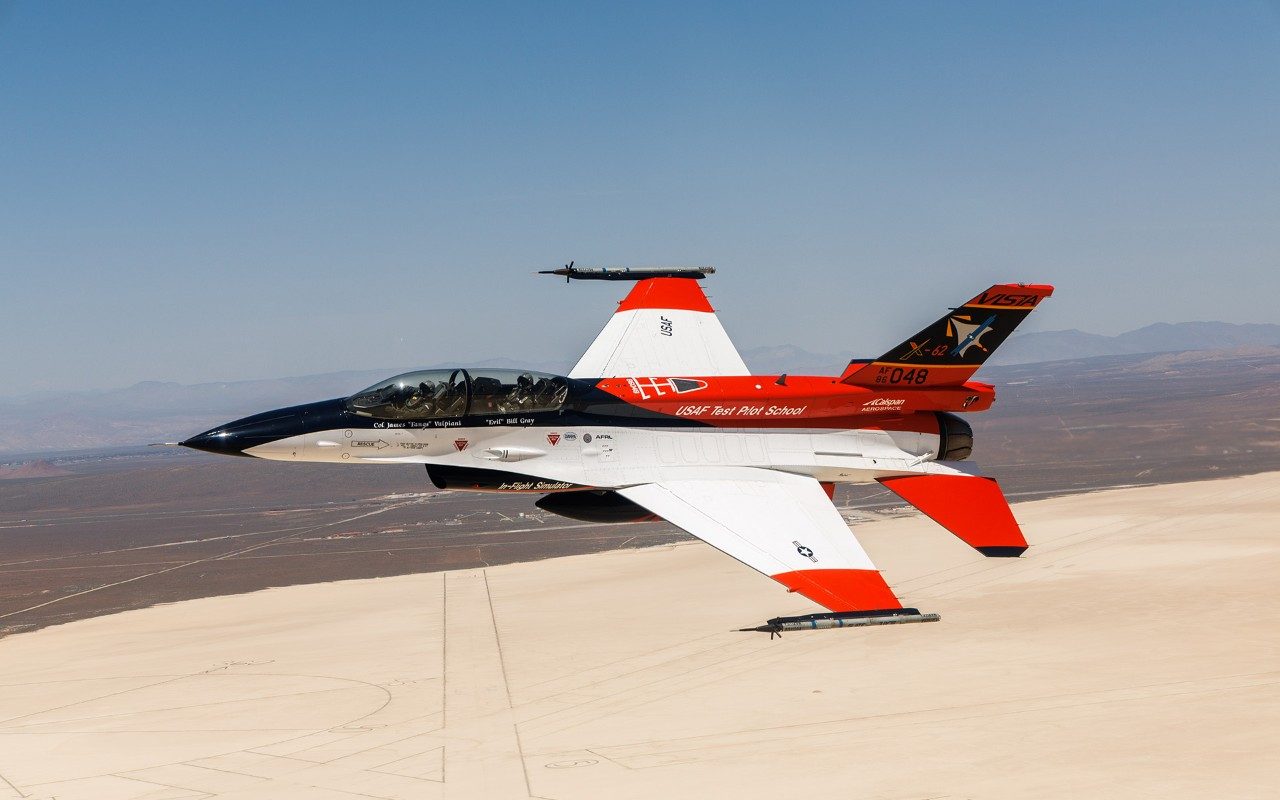
The Air Force upgraded the X-62 VISTA with advanced radar, expanded sensors and computing, and modern network…
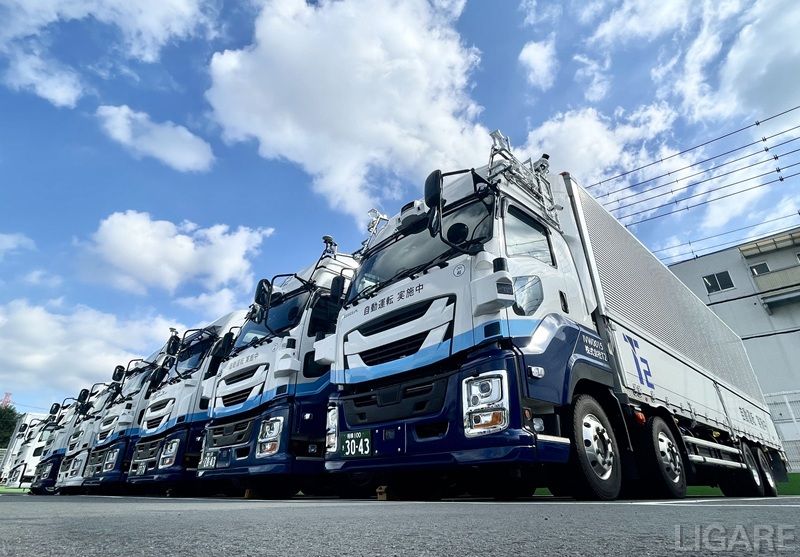
T2 said it will join ENEOS and others in the Agency for Natural Resources and Energy's demonstration project f…
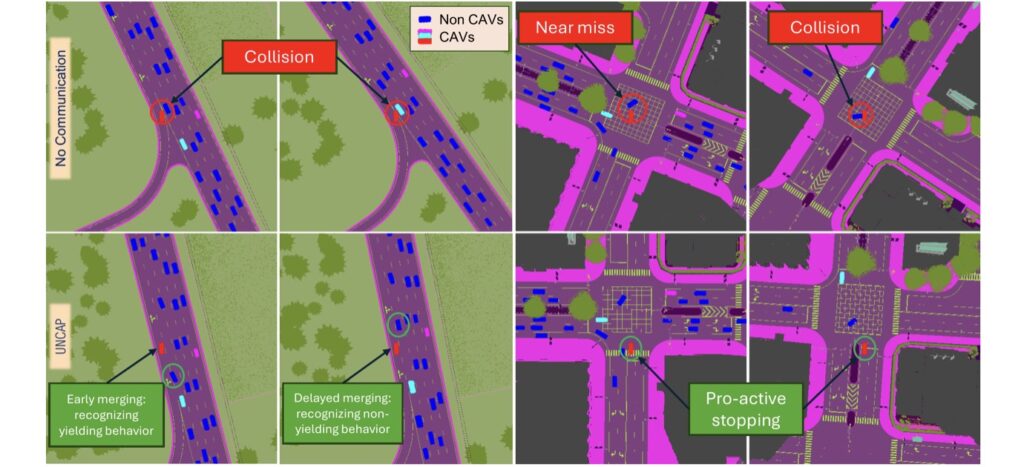
Researchers present neurosymbolic planning using natural language communication for cooperative autonomous veh…
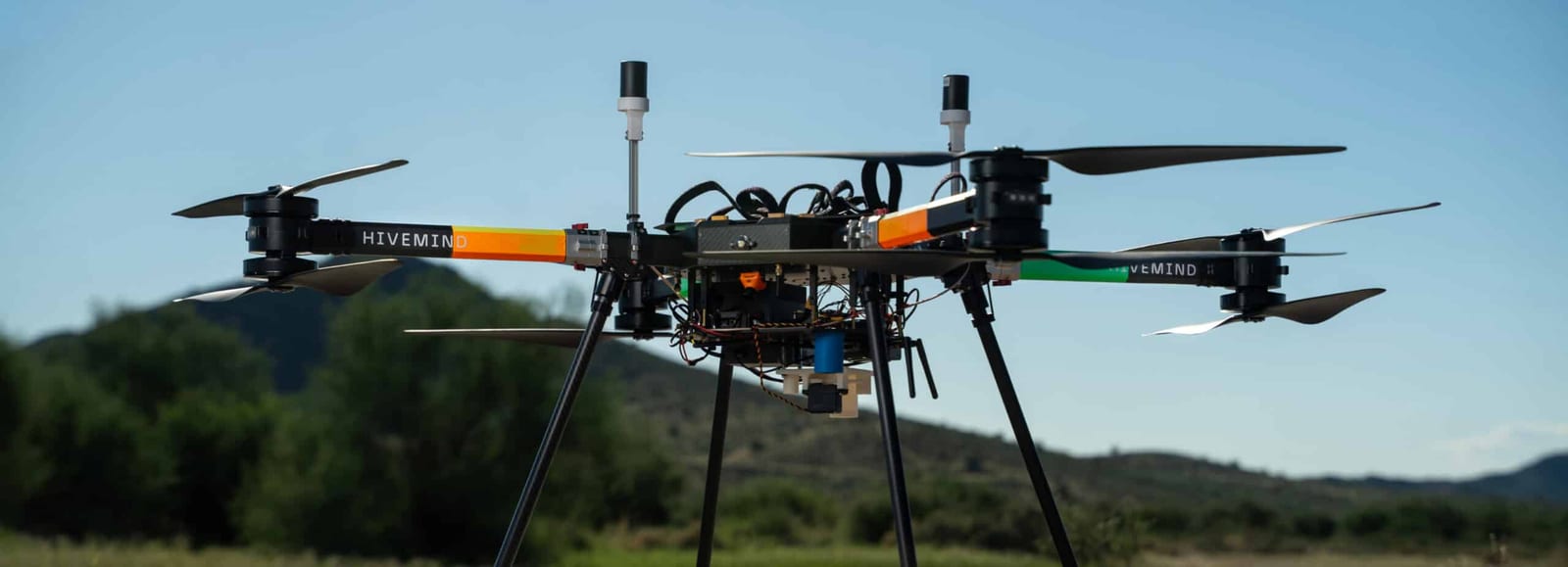
Honeywell Aerospace flew a BFD-SE8 autonomously in mid-June, six weeks after starting Shield AI's Hivemind Ent…
Sony will exhibit at CEATEC 2026, held October 13–16 at Makuhari Messe in Chiba, under the theme "Where Ideas…