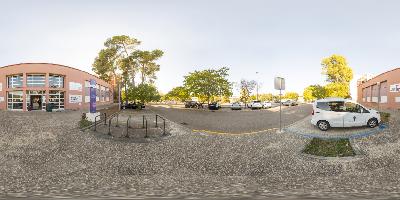
What happened
Apple researchers introduced Luce, a 3D representation that combines geometry and PBR materials into a voxelized multimodal Gaussian cloud. It generates 3D assets from a single image, using a rectified-flow transformer to create a latent representation.
Why it matters
Luce achieves state-of-the-art single-image-to-3D generation on the Toys4K benchmark, improving FID by 28% over the strongest baseline. It also outperforms the best baseline on a new benchmark of AI-generated images, with a CLIP image-alignment score of 0.8519 vs. 0.8299.
What to watch
Luce preserves fine details like text, logos, and inscriptions, and it can output either relightable PBR Gaussians or an optional textured mesh with tangent-space normal map. This could make AI-generated 3D assets more usable in standard rendering pipelines.
Summaries like this, in your inbox every morning.
The Luce paper from Apple addresses a key limitation in 3D asset generation: producing models that integrate into standard rendering pipelines. By unifying geometry and PBR materials in a single representation, it enables relighting, a requirement for realistic rendering in games and film. The use of a variational autoencoder and rectified-flow transformer is a technical approach to compress and generate the latent space, but the practical result is more important: assets with preserved fine details like text and logos, which are often problematic for other methods.
The improvement of FID by 28% on Toys4K marks a notable advance in single-image-to-3D generation quality. The introduction of a benchmark for AI-generated images may also provide a new standard for evaluating such models. For businesses, this technology could lower the barrier to creating 3D content, potentially impacting industries like e-commerce, virtual reality, and product design, though the paper does not discuss commercial applications. The optional textured mesh output suggests compatibility with existing workflows, which might ease adoption.
Pick your industry and the AI tools you use, and get news related to your work every day.
Free · 30 seconds with Google · unsubscribe anytimeWhat is AIToday? →
Ask AI anything about this article. The AI reads this article, earlier AIToday articles, and Wikipedia, and cites its sources. Q&As are published on this page for other readers too.
At TechCrunch Disrupt, Mark Wahlberg said he may use AI to enhance the stadium setting in his upcoming Pete Ro…

TOPPAN Holdings and Keio University ran a quantum-computer and generative-AI proof-of-concept from February 1…

Black Forest Labs released FLUX 3 Image Klein as open weights on October 15, 2026 — a 5.6B-parameter model for…
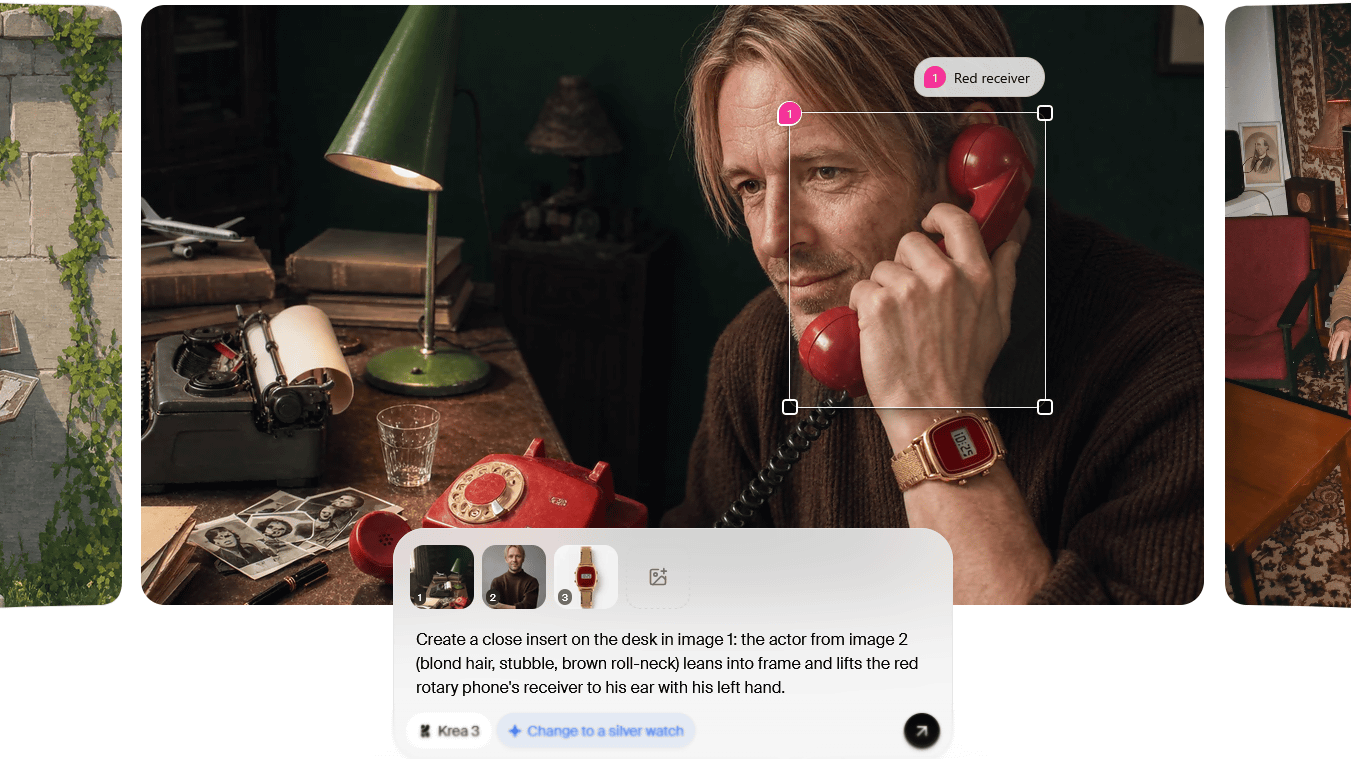
Krea opened the beta for Krea 3, which does end-to-end 2K edits in under 8 seconds, accepts up to 8 reference…
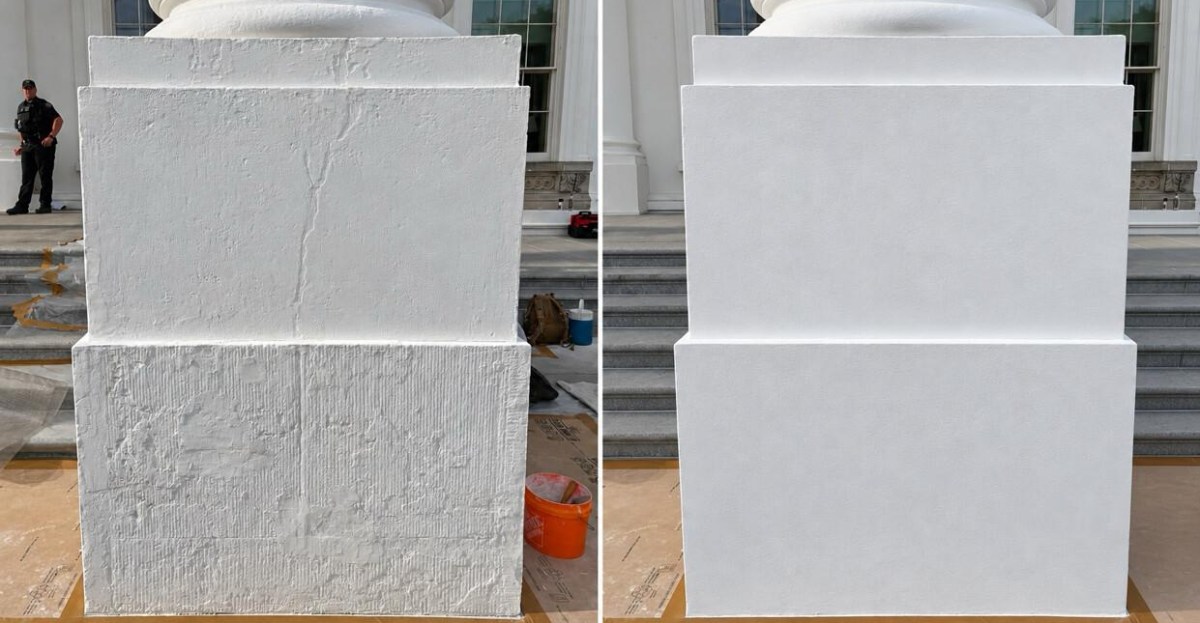
President Donald Trump posted photos on Truth Social showing White House renovations, but one comparing an old…
Universidad de Córdoba (UCO) has published a guide titled "AI NSFW 2026: reference tools, reusable workflows a…