Anthropic released Opus 4.8 on Thursday at standard pricing matching the previous Opus release, arriving 41 days after Opus 4.7 and significantly faster than the typical upgrade cycle for Sonnet and Haiku models (three and seven months old, respectively).
Opus 4.8 is designed to better flag uncertainties and avoid unsupported claims. Anthropic's testers found the model "more likely to flag uncertainties about its work and less likely to make unsupported claims." A testimonial from Bridgewater Associates highlighted the upgrade's tendency to "proactively flag issues with the inputs and outputs of an analysis."
Dynamic Workflows, available in research preview, allows Opus to manage complex tasks across hundreds of parallel subagents (AI agents that carry out work independently). Claude Code alongside Opus 4.8 can perform codebase-scale migrations across hundreds of thousands of lines of code from kickoff to merge.
Anthropic expects to bring Mythos-class models to all customers "in the coming weeks" after completing necessary safeguards, following a tentative preview last month that raised cybersecurity concerns.
Ask the AI about this article →
For example, today's edition would include:
AI-summarized, only the topics you pick — one digest a day via Email, Slack, or Discord.
Free · takes 30 seconds · unsubscribe anytimeWhat is AIToday? →
Ask AI anything about this article. Q&As are published on this page for other readers too.
CrowdStrike Holdings Inc

ASE Technology CEO and SEMI Global Board Executive Committee Chair Tien Wu said AI's early-stage growth is cre…

Fervo Energy signed a deal to supply 396 MW of electricity from its Cape Station project in Utah to a Google d…

Nvidia co-announced with Vertiv in August that it is making progress on 800-volt power infrastructure for its…

John Ternus takes over as CEO of Apple today, stepping into the role as the company confronts the AI era

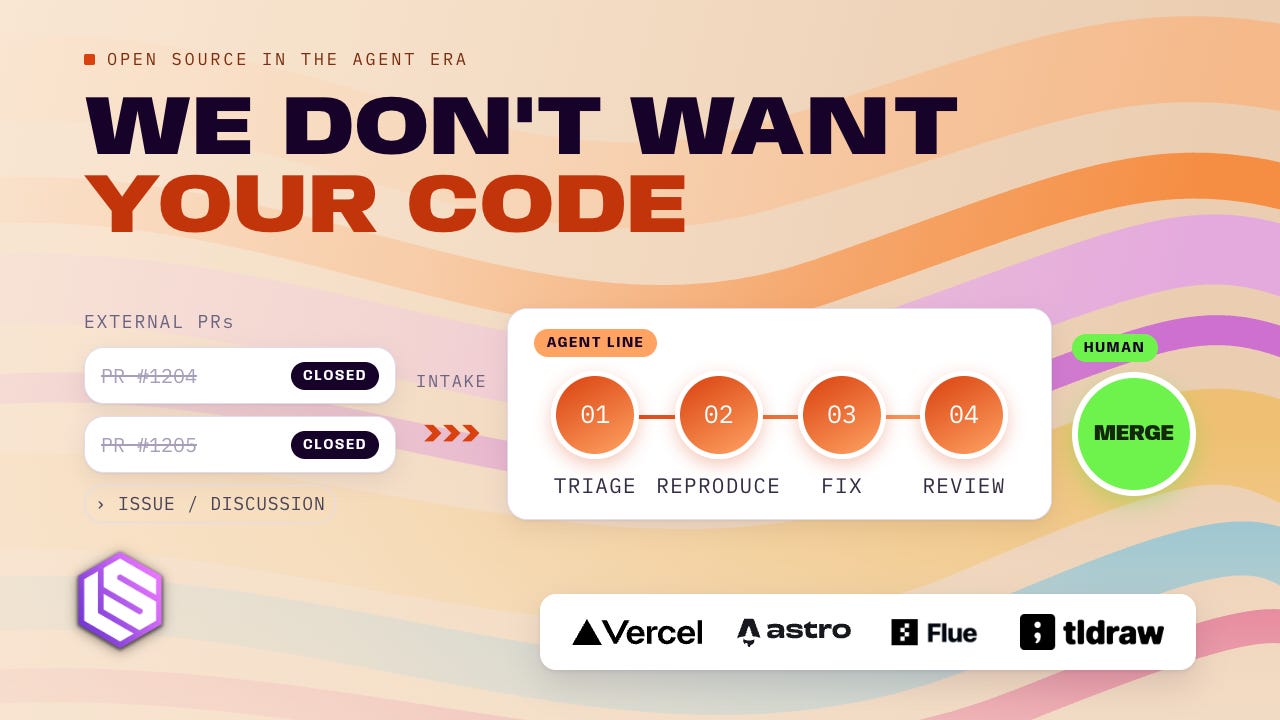
Top AI-native open source projects like Flue and tldraw are refusing external pull requests, often because the…