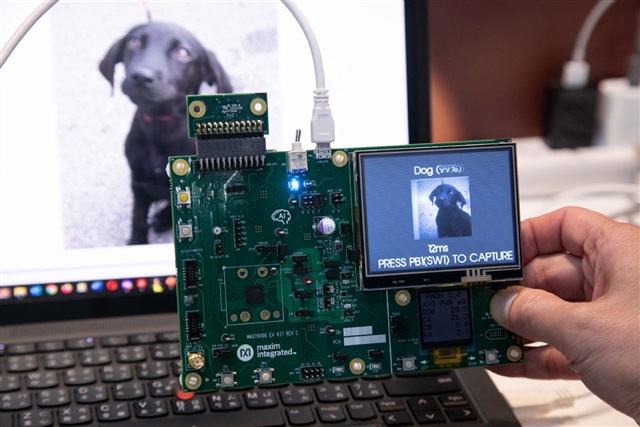
Taiwan's major image sensor chip design companies are shifting their business model from selling standalone chips to offering AI-powered algorithms and integrated modules.
This reflects a broader industry pivot driven by growing demand for AI-enhanced imaging solutions, allowing these firms to move beyond commodity chip sales toward higher-value, software-integrated products.
What happened
Taiwan's leading image sensor chip makers—including Novatek Microelectronics, Realtek Semiconductor, and Himax Technologies, plus mid-sized firms such as Sunplus Technology and Egis Technology—are shifting their business strategy away from traditional chip design toward algorithms and module-level products.
Why it matters
This pivot reflects how AI has reshaped demand in the image sensor market. Rather than selling standalone chips, these companies are moving up the value chain to offer complete, software-enhanced solutions—a shift that may allow them to capture higher margins and reduce competition from commodity chip makers.
What to watch
The success of this transition will depend on whether these Taiwanese firms can build algorithmic and system-level expertise fast enough to compete with larger, more diversified tech companies already investing in AI software integration.
Ask the AI about this article →
Taiwan's image sensor chip sector has historically competed on design efficiency and manufacturing cost. The article indicates that AI adoption is fundamentally changing the competitive landscape: standalone chips are becoming commoditized, while algorithmic enhancement and module-level integration—the software and systems layer—are where value accrues. By pivoting toward algorithms and modules, these Taiwanese firms aim to escape pure chip competition and position themselves as solution providers. This move mirrors a broader trend in semiconductor design where the chip alone is no longer the differentiator; instead, the combination of silicon, firmware, and AI processing determines market value. The challenge for these mid-tier players is executing this transition while managing the risk of competing against larger technology companies with deeper software and AI expertise.
For example, today's edition would include:
AI-summarized, only the topics you pick — one digest a day via Email, Slack, or Discord.
Free · takes 30 seconds · unsubscribe anytimeWhat is AIToday? →
Ask AI anything about this article. Q&As are published on this page for other readers too.
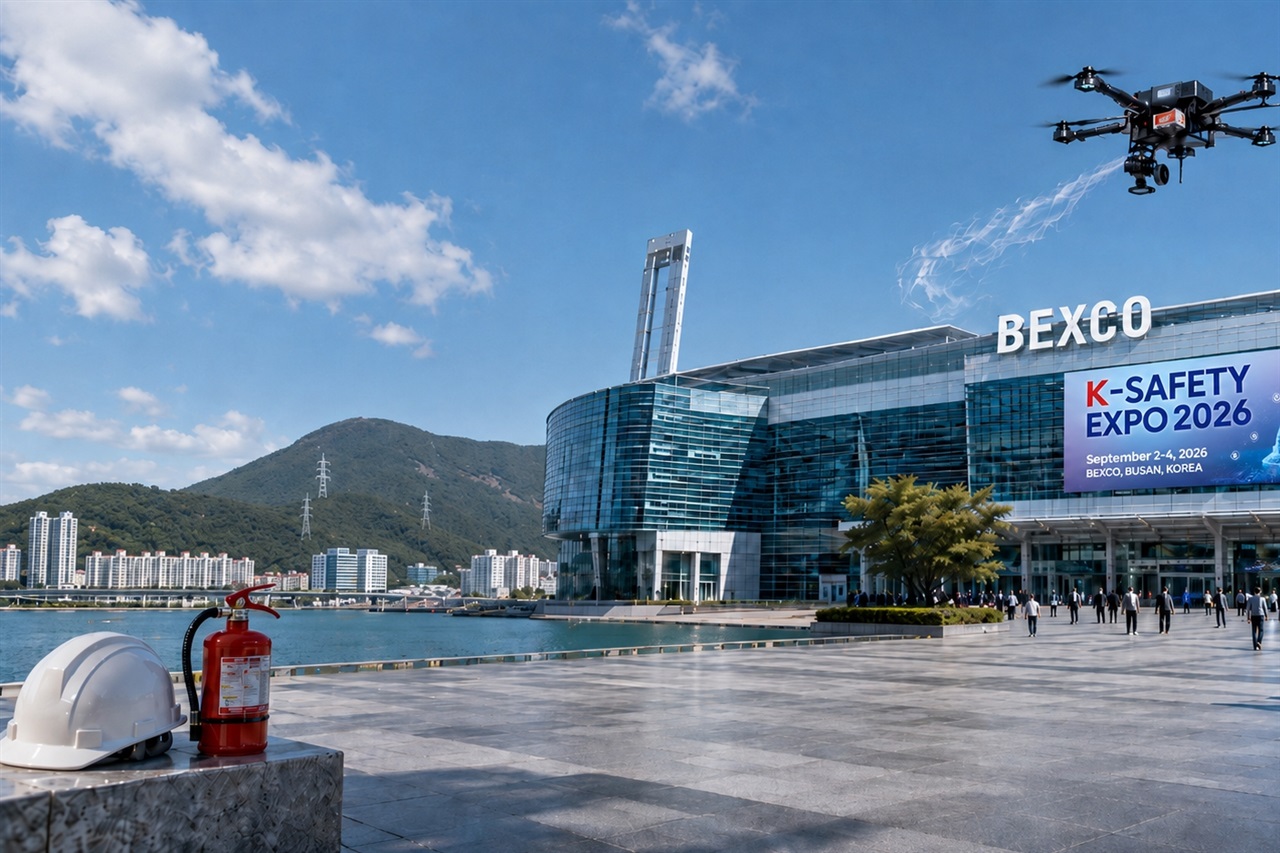
K-Safety Expo 2026 will be held at BEXCO in Busan from September 2–4, featuring AI, robots, sensors, and conne…
Skild AI has introduced S1, its flagship robot foundation model, which lets robots learn new, complex tasks by…
BHP, the world's largest mining company by market capitalization, has deployed AI across its operations
John Deere announced a three-year, $10 million research and development partnership with ag-tech company Reser…
On July 16, 2026, NVIDIA announced that 22 Japanese companies and organizations have expressed intent to join…
Panasonic HD has established a new AI and robotics research and development division, and CAIO Sakaba is leadi…