
Amazon is building a large, highly automated robotic fulfillment center in Texas and expanding access to its Trainium AI chips through AWS to external customers.
These moves reflect the company's strategy to control both its physical logistics network and underlying AI infrastructure, with the goal of lowering unit costs and offering an alternative to Nvidia hardware.
The success of these initiatives will depend on how effectively Amazon executes the projects and how customers respond to its custom chips.
What happened
Amazon is constructing a large, highly automated robotic fulfillment center in Texas and expanding access to its in-house Trainium AI chips to external AWS customers, signaling a push to deepen control over both physical logistics and AI infrastructure.
Why it matters
The Texas warehouse automation and broader Trainium rollout reflect Amazon's strategy to lower unit handling costs, support faster delivery, and offer customers an alternative to Nvidia hardware while keeping more of the AI stack in-house—though this requires substantial upfront capital spending and dependence on bond market appetite.
What to watch
The execution of the 248,687 square foot robotic facility and customer adoption of Trainium chips will determine whether Amazon can achieve the efficiency gains and higher-margin services it is betting on, particularly as fuel and freight rates remain elevated.
Ask the AI about this article →
Amazon's simultaneous push into warehouse automation and broader Trainium distribution reflects a deeper strategic ambition to own critical infrastructure across retail and cloud. The Texas facility—at 248,687 square feet and equipped with robotics and specialty storage—targets operational efficiency at a moment when fuel and freight costs remain elevated, making unit-cost reduction a tangible business lever. On the cloud side, opening Trainium to external AWS customers positions the company to compete directly with Nvidia in the custom-chip market while keeping the entire AI stack (hardware, software, and workload management) closer to Amazon's control.
These moves carry real capital demands. The body notes that Amazon's strategy depends on "large upfront spend and bond market appetite," citing recent bond deals that funded data centers, chips, and logistics buildouts. For investors, the trade-off is explicit: near-term margin pressure from heavy capital intensity in exchange for potential long-term efficiency gains and a stronger position in AI workloads. The body emphasizes that while the warehouse and Trainium initiatives align with a narrative of logistics efficiency and vertically integrated AI, the specific execution risks—whether a highly automated Texas facility actually delivers cost savings, and whether customers adopt Trainium at scale—remain incompletely captured in existing analyses of Amazon's overall AI capex and cloud growth.
For example, today's edition would include:
AI-summarized, only the topics you pick — one digest a day via Email, Slack, or Discord.
Free · takes 30 seconds · unsubscribe anytimeWhat is AIToday? →
Ask AI anything about this article. Q&As are published on this page for other readers too.
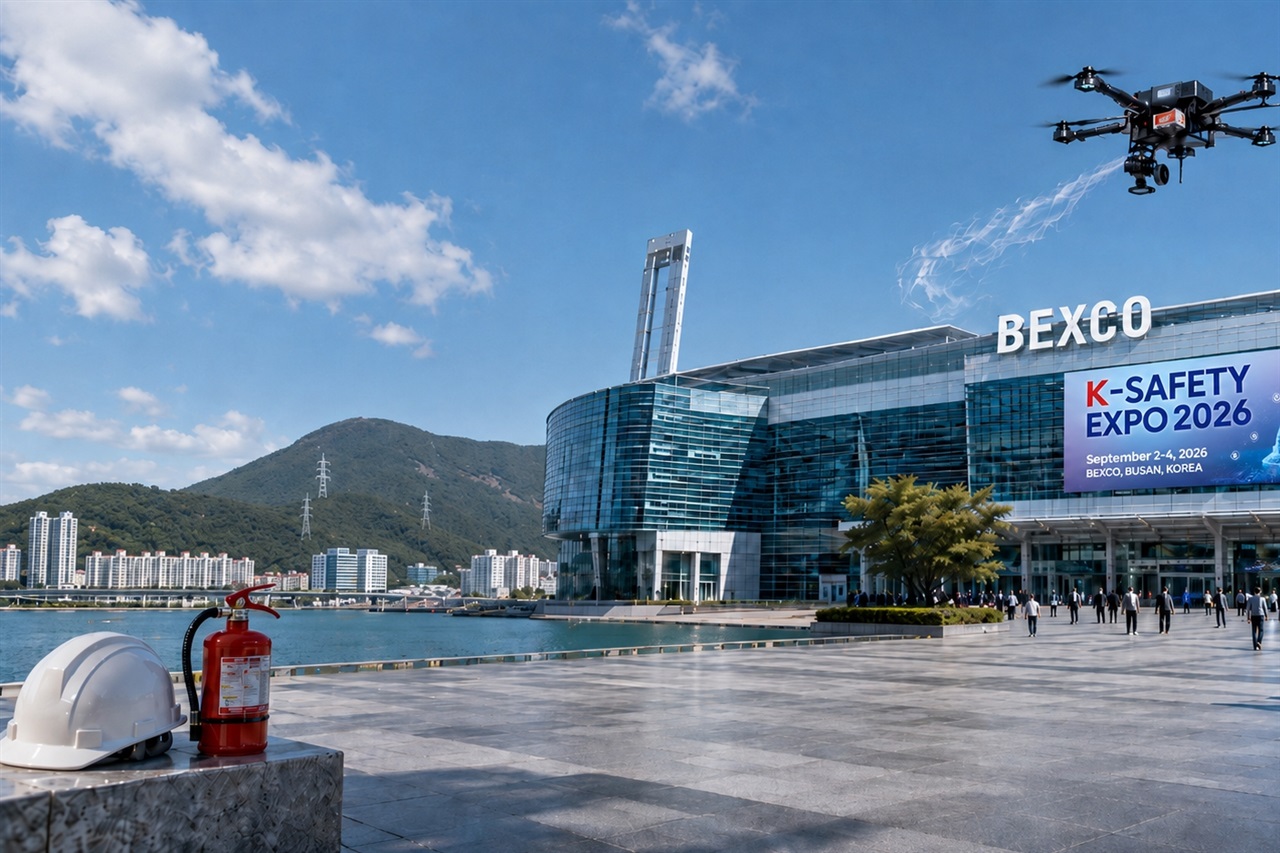
K-Safety Expo 2026 will be held at BEXCO in Busan from September 2–4, featuring AI, robots, sensors, and conne…
Skild AI has introduced S1, its flagship robot foundation model, which lets robots learn new, complex tasks by…
BHP, the world's largest mining company by market capitalization, has deployed AI across its operations
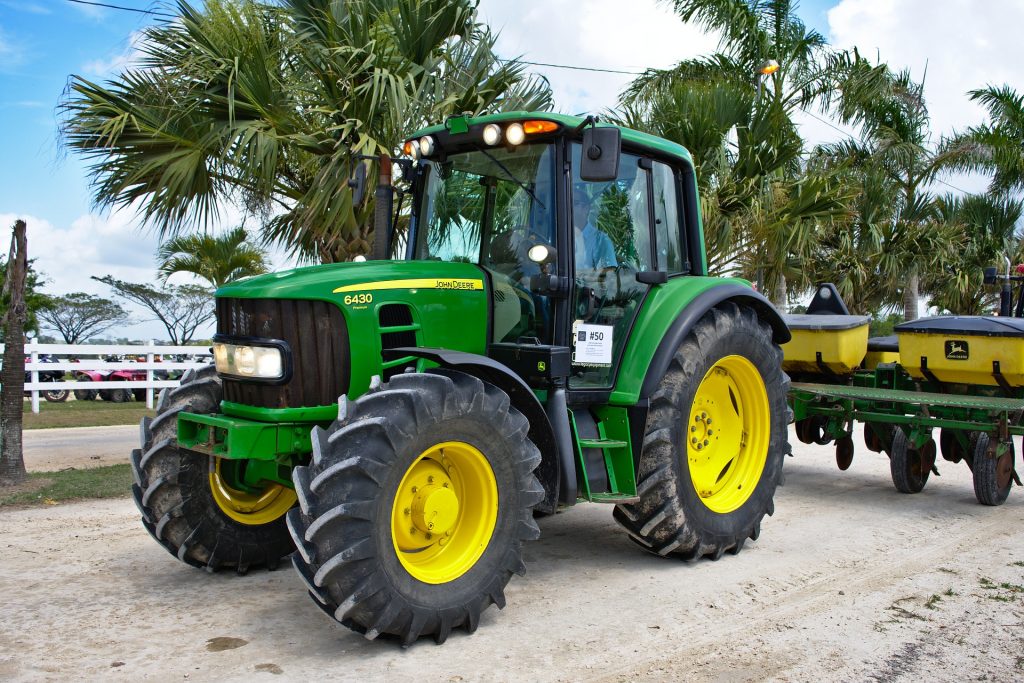
John Deere announced a three-year, $10 million research and development partnership with ag-tech company Reser…
On July 16, 2026, NVIDIA announced that 22 Japanese companies and organizations have expressed intent to join…
Panasonic HD has established a new AI and robotics research and development division, and CAIO Sakaba is leadi…