What happened
OpenAI released new mathematical results from an internal frontier model in a GitHub repository, including Lean formalizations of many proofs and 10 summaries of the model's reasoning.
Why it matters
Posting the results with protocols for paper revisions and citations, plus details on how they were obtained, aims to promote scientific transparency and openness, per OpenAI.
What to watch
The average result used roughly three hours of ChatGPT Pro thinking, so the test is whether the community adopts these as verified results. Watch the promised workshops and conferences on major results produced by AI.
WHO IT HITSMathematicians and researchers evaluating computer-checked proofs will now be able to inspect OpenAI's results and Lean formalizations directly on GitHub. The pledged workshops and conferences around AI-produced major results mean academic mathematics departments may see new venues for scrutiny of these claims.
Summaries like this, in your inbox every morning.
OpenAI says it consulted with the independent Advisory Group on Mathematics and Artificial Intelligence at the Institute for Advanced Study to develop best practices for sharing results with the math community, and drew on their advice and public recommendations. For this release, the results go into a GitHub repository with protocols for paper revisions and citations. OpenAI adds that it is still exploring other community-hosted alternatives that meet the committee's guidelines, and that future releases will aim to improve the quality of the papers via citations, mathematical exposition, and presentation.
The repository also includes more than just the results themselves: formalizations in Lean, a programming language that allows mathematical proofs to be checked by a computer, plus 10 summaries of the model's reasoning, estimations of compute spent in terms of Pro usage on ChatGPT, and statistics about the number of attempted problems. OpenAI says it will update the repository with more formalizations as they are obtained.
The stakes appear to hinge on whether the mathematics community treats these results as confirmed and citable, and on OpenAI's promised follow-through: the release of the model that produced them, described as a responsible release, and the funding of workshops, conferences, and special programs around understanding major results produced by AI. Until those materialize, the practical value may depend on how the Lean formalizations and reasoning summaries hold up to independent checking.
Pick your industry and the AI tools you use, and get news related to your work every day.
Free · 30 seconds with Google · unsubscribe anytimeWhat is AIToday? →
Ask AI anything about this article. The AI reads this article, earlier AIToday articles, and Wikipedia, and cites its sources. Q&As are published on this page for other readers too.
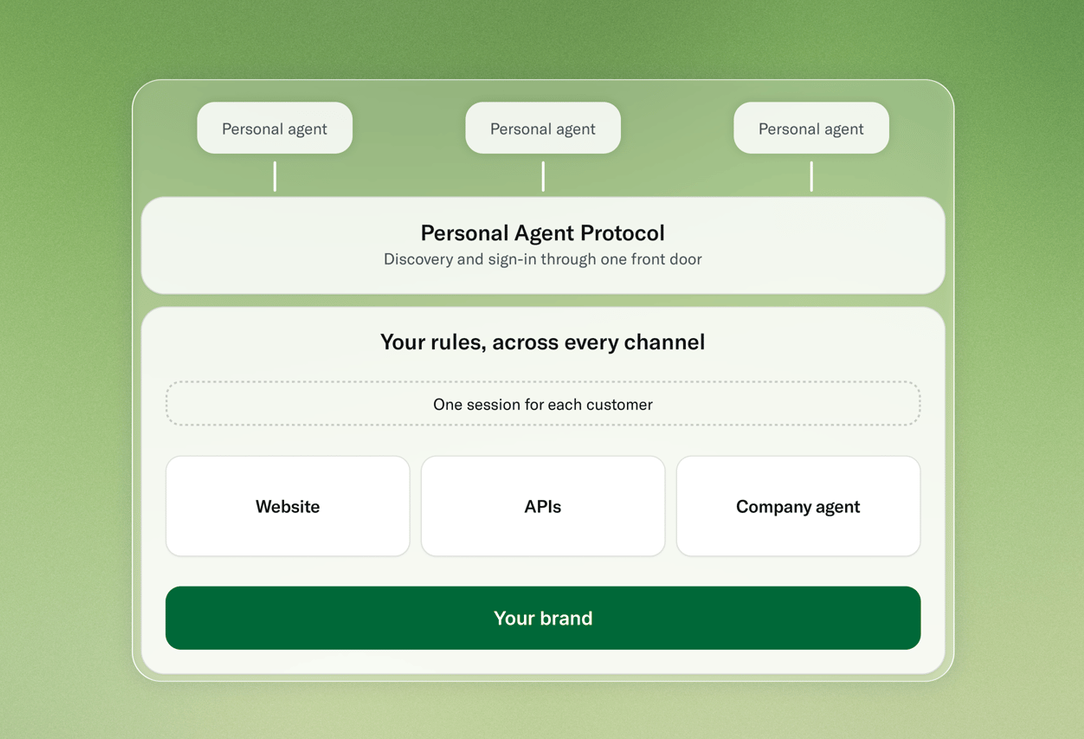
Meta, Walmart, Stripe and Sierra Technologies are creating the Personal Agent Protocol, introduced by Sierra c…
Caterpillar and CoreWeave shortened the data-labeling and feedback loop for training autonomous construction m…

Anthropic launched Claude for Google Workspace as a public beta for paid Claude plans, adding Claude to Google…
UWOTC-CWA published a petition ahead of a union authorization vote, telling Wizards of the Coast and parent Ha…

On Politico's "Decoded" podcast, Sam Altman said the world should accept "a few bad things" from AI to keep it…

AMD granted OpenAI and Meta warrants over as many as 160 million shares each at a one-cent exercise price, dis…