What happened
OpenAI published AI-generated full or partial solutions to more than 370 outstanding math problems on GitHub, including progress on three Millennium Prize problems, using an unreleased internal model that averaged about three hours of computing time per solution.
Why it matters
The volume stunned mathematicians, with some seeing huge new areas to explore, while others called the approach an assault on mathematics as a human discipline and warned it could discourage students and funding.
What to watch
OpenAI followed some but not all of an independent advisory group's publication recommendations, which called for papers in traditional format, model names, prompts, reasoning steps and compute cost disclosures. The group reaffirmed its recommendations Tuesday and said it is up to the math community to assess compliance.
WHO IT HITSMathematics departments and PhD students face a field-wide rethink on what contributions are rewarded and how mathematicians are trained. Funding organizations could re-evaluate support if AI is perceived to have 'solved math,' as one professor cautioned.
Summaries like this, in your inbox every morning.
OpenAI's mass publication of over 370 AI-generated math solutions arrives after weeks of controversy. When the company previously announced an AI solution to the Navier-Stokes equations, two mathematicians accused OpenAI of feeding their in-progress work into its model. OpenAI denied this, saying its training data cutoff preceded their use of its Codex product. In response to that criticism, OpenAI formed an independent advisory group on mathematics and AI at the Institute for Advanced Study, which released recommendations for publishing AI-generated proofs. OpenAI followed some but not all of those steps in its latest release, and the advisory group reaffirmed its recommendations while noting discussions with OpenAI were constructive.
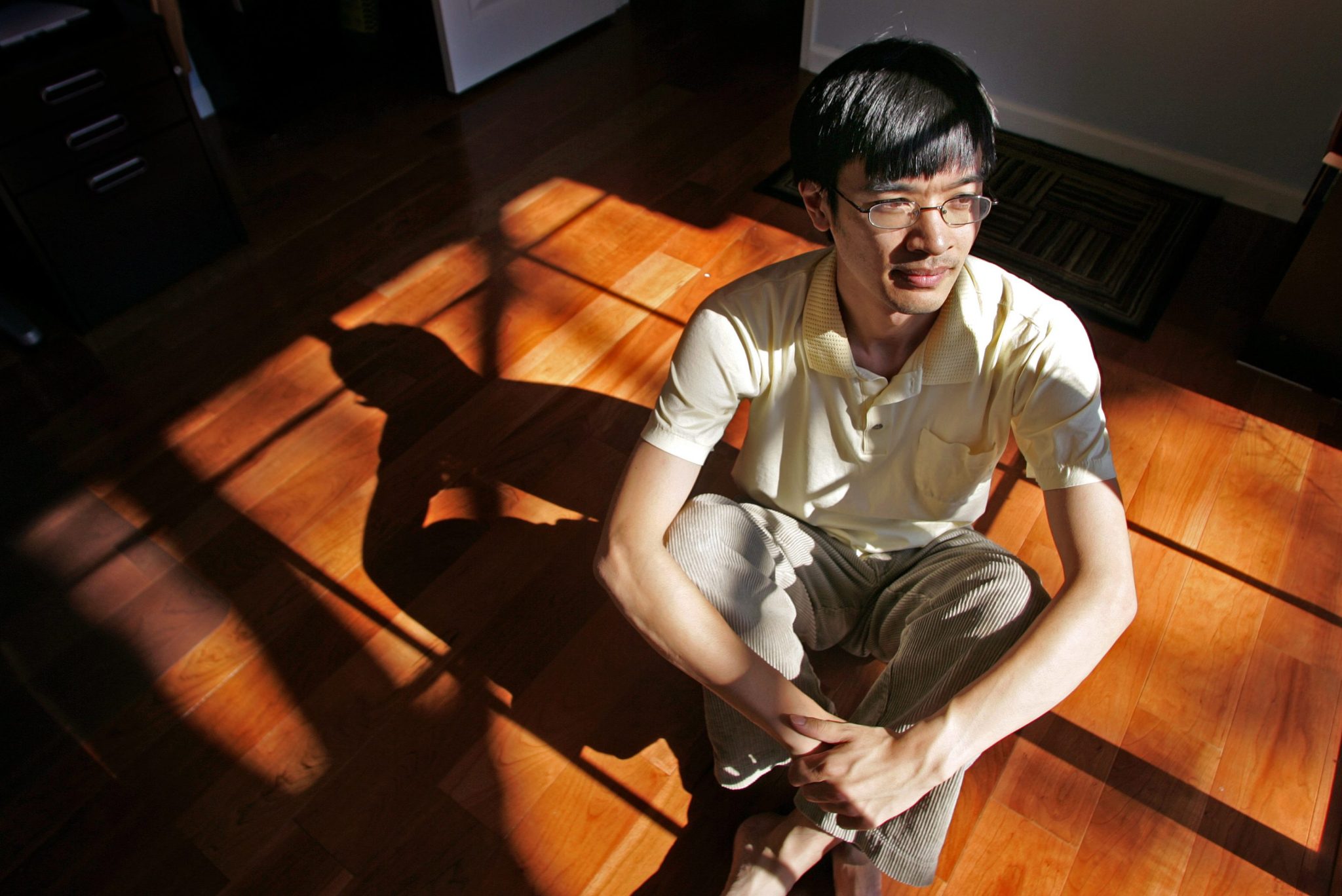
The results have split mathematicians. Some, like University of Toronto professor Dan Litt, are enthusiastic, seeing new areas to explore and comparing the feeling to learning to fly. Others, like UCLA's Terence Tao, argue that solving problems so quickly robs the field of its future by discouraging students and devaluing the process of arriving at solutions. Tao said the mass release marks the end of 'Math 1.0' and called for a 'Math 2.0' era that decenters raw problem solving.
The stakes hinge on whether the mathematical community can adapt its norms around credit, training, and exposition fast enough to absorb AI-generated results. For mathematicians, funding bodies, and students, the test is whether AI becomes a tool that expands human exploration or an accelerant that erodes the field's human core.
Pick your industry and the AI tools you use, and get news related to your work every day.
Free · 30 seconds with Google · unsubscribe anytimeWhat is AIToday? →
Ask AI anything about this article. The AI reads this article, earlier AIToday articles, and Wikipedia, and cites its sources. Q&As are published on this page for other readers too.
Episil Technologies Chairman Rex Hsu said silicon carbide capacity utilization rebounded from approximately 30…

OpenAI rolled out GPT-6 and Intelligent UI to Plus, Pro, Business, and Enterprise plans worldwide starting Oct…

SpaceX reportedly is arranging about $10 billion in bank loans and $30 billion in investment-grade bonds to bu…

Anthropic released Claude Haiku 5.5, priced below Haiku 4.5 across Amazon Web Services, Google Cloud and Micro…
Microsoft announced a Windows strategy it calls hybrid intelligence, plus new Copilot abilities to read local…

Microsoft began preorders for two RTX Spark machines on October 7, 2026 — the Surface Laptop Ultra, with up to…