What happened
OpenAI disclosed perplexity figures from GPT-3.5 at ~0.99 down to below 0.8 today, and proposed industry-wide shared limits on this metric before further development.
Why it matters
A common measure like perplexity could let outsiders and rivals compare model progress and set safety thresholds together, though OpenAI notes datasets differ across labs.
Summaries like this, every morning.
OpenAI's decision to publish internal perplexity numbers marks a shift in how the company talks about model progress. It has historically kept such training metrics private, but the post argues that transparency outweighs competitive concerns because shared safety standards are urgent. The post traces a line from GPT-2 through GPT-3, GPT-3.5, and GPT-4 to current models, tying each capability leap to a drop in log-perplexity.
The proposal goes beyond disclosure. OpenAI wants an industry standard that sets a first development limit measured by a trackable metric, plus a concrete milestone for monitoring AI behavior before going further. It acknowledges that perplexity is imperfect: labs train on different data, the metric doesn't map directly to tasks, and chain-of-thought reasoning can boost capabilities without lowering perplexity. Still, OpenAI argues perplexity has stood the test of time.
A striking example in the post involves mathematics. Once a model reached log-perplexity ~0.76, it began producing groundbreaking results on open problems OpenAI had posed. That experience leads OpenAI to speculate that a similar sudden transformation could hit deep learning research itself, possibly as soon as 2027.
Pick your industry and the AI tools you use, and get news related to your work every day.
Free · 30 seconds with Google · unsubscribe anytimeWhat is AIToday? →
Ask AI anything about this article. The AI reads this article, earlier AIToday articles, and Wikipedia, and cites its sources. Q&As are published on this page for other readers too.
Digeon released a Microsoft Teams integration for its ENSOU AI enterprise generative AI service, so users can…

NishaMe, Rimo's first designer, built design-protos on Claude Code, with PRs from 14 people reaching 244 and h…
Anthropic released the /ship skill for Claude Code in beta, covering commit, push, PR creation, review and fix…

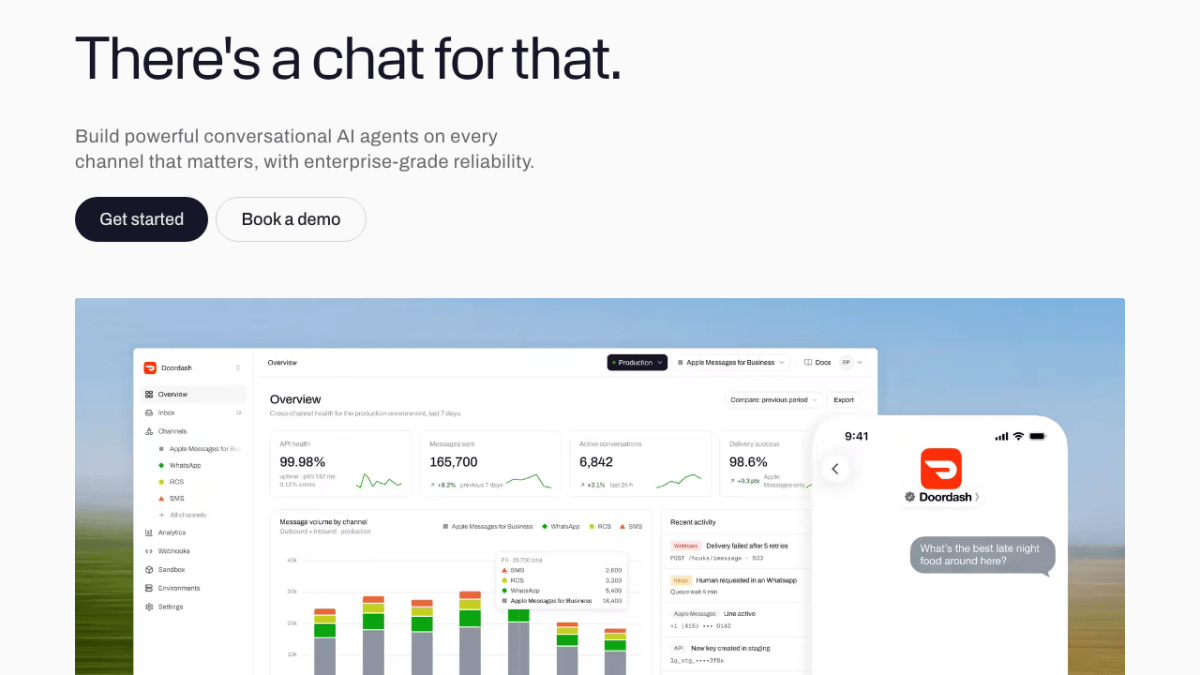
Linq raised $90 million in a Series B led by Andreessen Horowitz (a16z), with TQ Ventures, Mucker Capital and…
Musashino holds a monthly in-person company-rules workshop immediately followed by an AI workshop for its seve…

Using several hundred items of DUNLOP schedule and resource data, NEC's AI agents coordinated development plan…