What happened
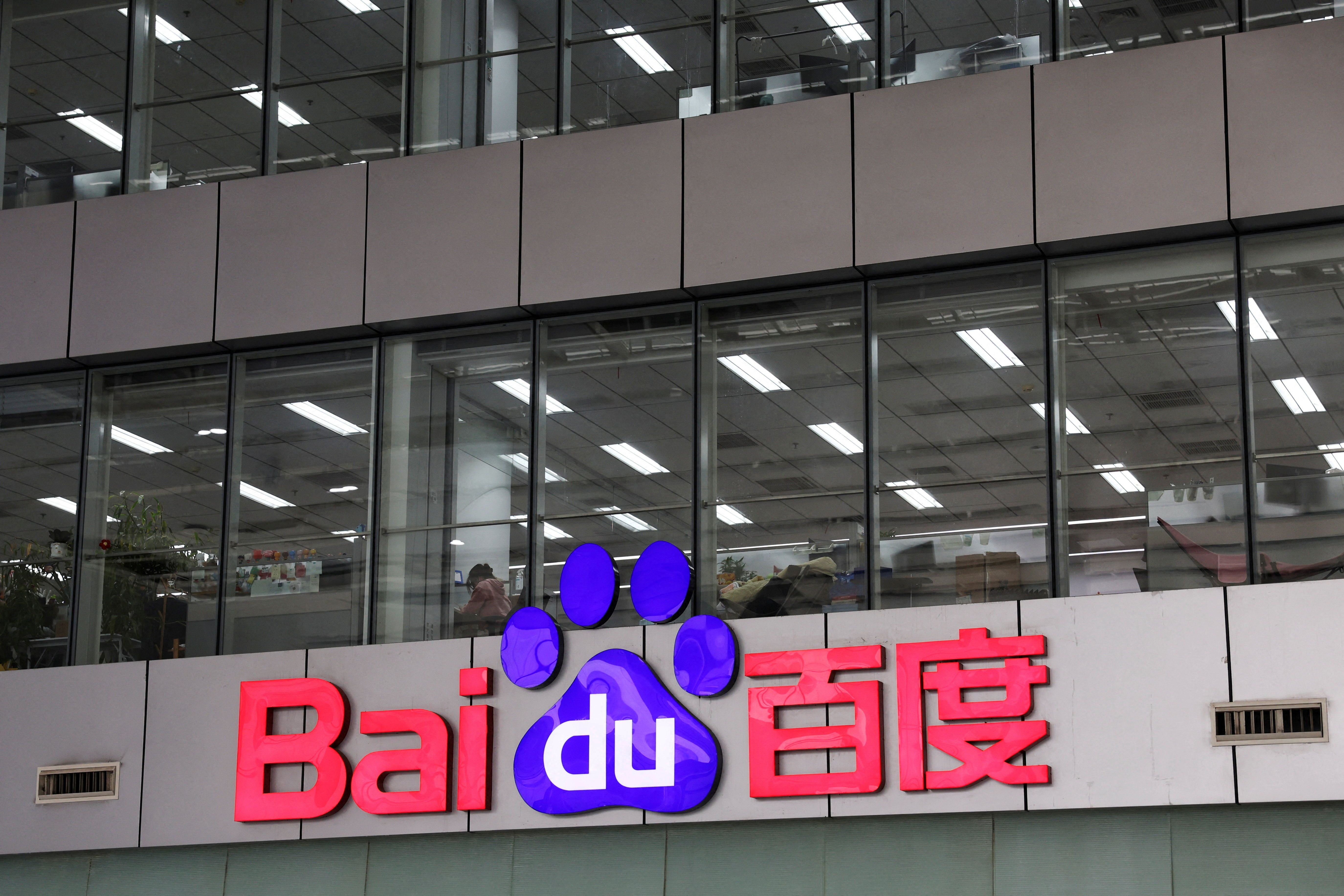
Baidu reported its fifth consecutive quarterly revenue decline on Tuesday, with stock falling as the Chinese search company triples its quarterly capital spending to fund AI infrastructure. CEO stated the company is pivoting to become an "AI-first company."
Why it matters
Baidu is losing advertising share to ByteDance and Alibaba—a core revenue stream—while its Ernie AI model trails open-weight competitors from Moonshot and DeepSeek. The massive capex bet is meant to close that gap, but heavy spending without offsetting ad recovery creates near-term pressure on investors and signals the competitive squeeze in China's AI race.
What to watch
Bank of America suggested Nvidia's stock could be trading at up to a 50% discount, implying that big AI spenders' balance-sheet strain may be temporary and market sentiment may be overstating the risks of chipmakers' AI investments.
Summaries like this, in your inbox every morning.
Baidu's fifth consecutive revenue drop reflects the dual pressures facing Chinese tech giants in the AI era. The company's core advertising business—historically its profit engine—is fragmenting: ByteDance and Alibaba have captured share that Baidu once dominated. At the same time, the generative AI race has forced Baidu into a massive capex race to build competitive compute infrastructure, tripling quarterly capital spending to stay in the game. Yet this spending has not yet translated into an AI product (Ernie) that matches the performance of newer open-weight models from Moonshot and DeepSeek, leaving Baidu in a costly catch-up position.
The article notes that Baidu's struggle is not isolated—it reflects "broader anxiety over big AI spenders." However, Bank of America's commentary on Nvidia suggests the market may be mispricing that risk. If large capex commitments are temporary and necessary to establish competitive AI infrastructure, then investors may be overstating the downside for chipmakers and their largest customers. For Baidu, the risk is whether the company can narrow the gap with DeepSeek and Moonshot before ad-revenue erosion becomes irreversible.
Pick your industry and the AI tools you use, and get news related to your work every day.
Free · 30 seconds with Google · unsubscribe anytimeWhat is AIToday? →
Ask AI anything about this article. The AI reads this article, earlier AIToday articles, and Wikipedia, and cites its sources. Q&As are published on this page for other readers too.
Hewlett Packard Enterprise stock is down 5% at $55.87
The Motley Fool argues Amazon is the AI company of the two, since AWS was just 21% of first-half 2026 revenue…

Google Deepmind's Gemini 4 Argon scored 97.5 percent on ARC-AGI-3 at a cost of $4,800, second only to GPT-6 As…
Cammarata reinterprets InceptionV1's cat-car neuron as a V-shape detector, not two unrelated concepts
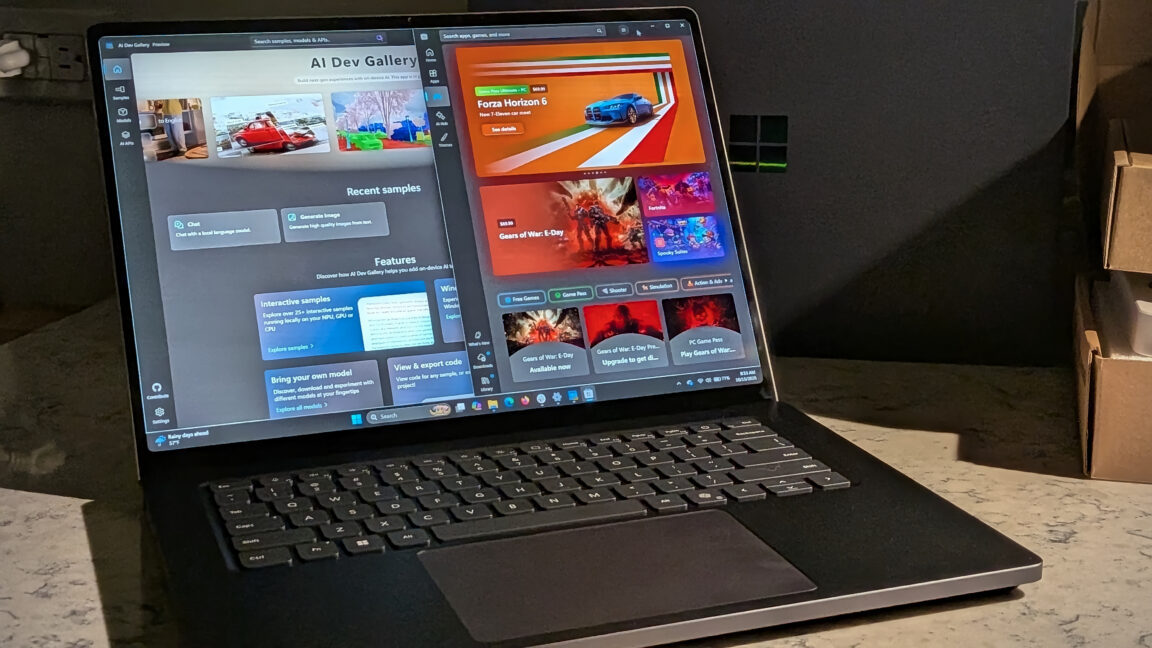
Microsoft's Surface Laptop Ultra, using Nvidia's RTX Spark platform, starts at $2,599 (up to $5,899)
Meta's new commercial terms, effective October 30th, appear to let it crawl and train AI on content from websi…