
CLPIPS extends the existing LPIPS metric by fine-tuning it to match human judgments rather than relying solely on objective measures
Current metrics like LPIPS and CLIP often fail to capture user preferences in context-specific image generation tasks
The approach uses lightweight human-augmented fine-tuning to improve perceptual alignment with minimal computational overhead
CLPIPS positions similarity metrics as adaptive tools for human-in-the-loop text-to-image workflows, helping users iteratively refine prompts
Ask the AI about this article →
For example, today's edition would include:
AI-summarized, only the topics you pick — one digest a day via Email, Slack, or Discord.
Free · takes 30 seconds · unsubscribe anytimeWhat is AIToday? →
Ask AI anything about this article. Q&As are published on this page for other readers too.
Palo Alto Networks is promoting a security strategy called Authority-Aware DLP for AI agents, moving beyond tr…

CrowdStrike is introducing Falcon Guardian, its flagship solution for the AI Detection and Response (AIDR) cat…

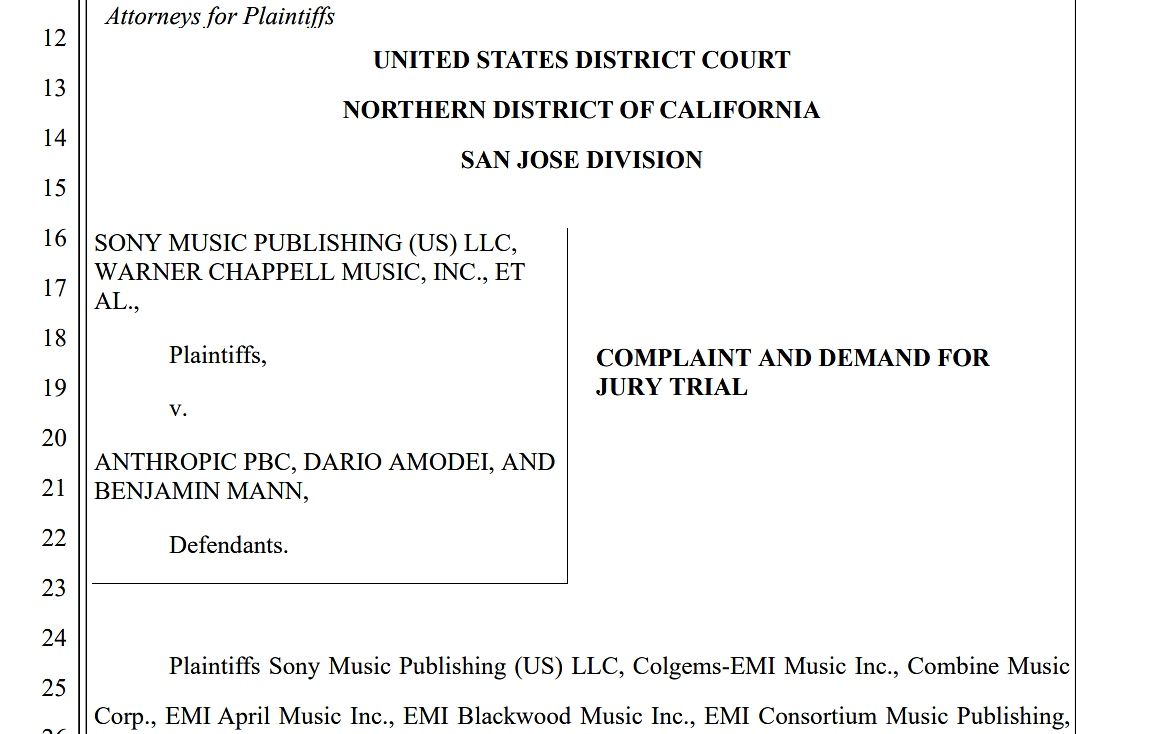
Music publishers affiliated with Sony and Warner have filed a lawsuit against Anthropic, accusing it of copyri…
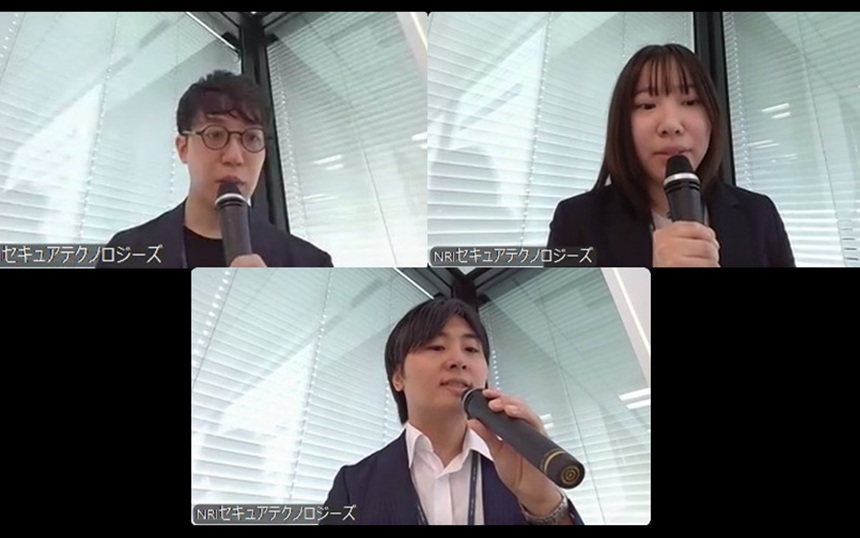
Nomura Research Institute (NRI) held its 413th media forum on August 28, 2026, where NRI Secure Technologies'…
Suginami Ward, Tokyo, announced it will appoint one external advisor starting November to handle fake informat…

Anthropic is launching its watermark verification API, letting approved organizations check whether text conta…