What happened
Anthropic is launching its watermark verification API, letting approved organizations check whether text contains a digital watermark from Claude.
Why it matters
The EU AI Act since August 2, 2025, requires new Claude models to embed invisible watermarks in their text output, making this detection system a compliance tool for regulators, law enforcement, media, fact-checkers, independent researchers, educational organizations, EU civil society groups, and enterprises.
What to watch
Anthropic plans to expand access over time. The system builds on Google's SynthID text method, tweaking word-selection randomness to create a statistically detectable pattern that, according to Anthropic, "may persist through some editing."
Summaries like this, every morning.
This launch comes as a direct response to regulatory requirements. The EU AI Act since August 2, 2025, mandates invisible watermarks in new Claude models' text output, pushing Anthropic to provide a verification mechanism. The system adapts Google's SynthID text method to create a statistically detectable pattern while claiming the watermark contains no user data and affects neither quality nor content. Critics, however, dispute the quality claim, suggesting synonym selection based on a watermark key could degrade text. "Artificial Lawyer" also highlights potential transparency risks where detectable AI fingerprints might complicate contracts banning AI use or fee negotiations, though it predicts the watermarks are mostly harmless. The API's targeted rollout to specific groups now, with plans to expand access over time, reflects a phased approach balancing compliance needs with broader deployment considerations.
Pick your industry and the AI tools you use, and get news related to your work every day.
Free · 30 seconds with Google · unsubscribe anytimeWhat is AIToday? →
Ask AI anything about this article. The AI reads this article, earlier AIToday articles, and Wikipedia, and cites its sources. Q&As are published on this page for other readers too.
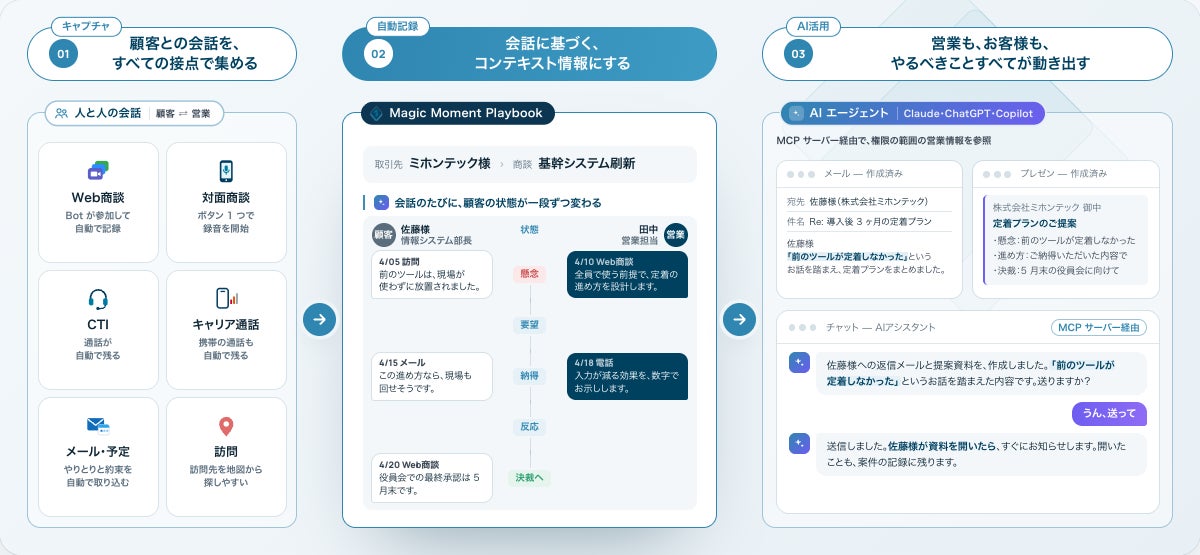
Magic Moment began providing an MCP server for its Magic Moment Playbook sales platform, so sales records tied…
Ahead of Oracle AI World on Oct
World, co-founded by Sam Altman, this week announced tools that let people link their proof of humanity to an…
In commentary on the unit-distance proof, Jacob Tsimerman, recently hired by OpenAI, said AI's edge is that it…
Anthropic says its unreleased research model outperforms Mythos 5.1 in capability and alignment, halting ongoi…

METR and Redwood Research spent three weeks on-site at OpenAI and found an estimated 6 to 25 percent of intern…