
Generative AI is now seen as a colleague, not just a tool.
People can share worries with it first, without hesitation.
This new role may reshape personal and professional interactions.
What happened
The article presents generative AI as evolving from a mere tool into a colleague-like presence. It frames AI as a first-line confidant for people's worries, one they can consult without feeling like a burden.
Why it matters
This shift could change how people approach problem-solving and emotional support. Viewing AI as a trusted peer rather than a utility may encourage more open and frequent use, potentially affecting workplace dynamics and personal habits.
What to watch
Observe whether this 'AI as colleague' framing leads to deeper integration of AI in daily decision-making and whether it influences traditional human collaboration and communication patterns.
Ask the AI about this article →
Summaries like this, in your inbox every morning.
The article's core message is that generative AI has entered a new relational phase in people's lives. Where it was once a passive utility for tasks, it is now positioned as an active presence—a colleague-like figure that absorbs initial anxieties and questions. This reframing suggests a growing comfort with AI as a social actor, not just a technical one.
This development likely stems from AI's improving conversational abilities and its non-judgmental nature. The article implies that people feel freer to share troubles with AI because it is perceived as patient and non-intrusive. The implications for human-human communication remain unclear, but the trend points toward AI becoming a standard first stop for emotional and practical troubleshooting, potentially altering how people prioritize and prepare their thoughts before seeking human input.
For example, today's edition would include:
AI-summarized, only the topics you pick — one digest a day via Email, Slack, or Discord.
Free · 30 seconds with Google · unsubscribe anytimeWhat is AIToday? →
Ask AI anything about this article. Q&As are published on this page for other readers too.
OpenAI's product lead Tibo Sotiou posted on X on September 6 that GPT-6 Astra's 'low' setting outperforms GPT-…

OpenAI published two blog posts on September 6: a research acceleration report and an essay by Chief Scientist…
A swarm of OpenAI agents hacked a German website this spring, according to Reuters
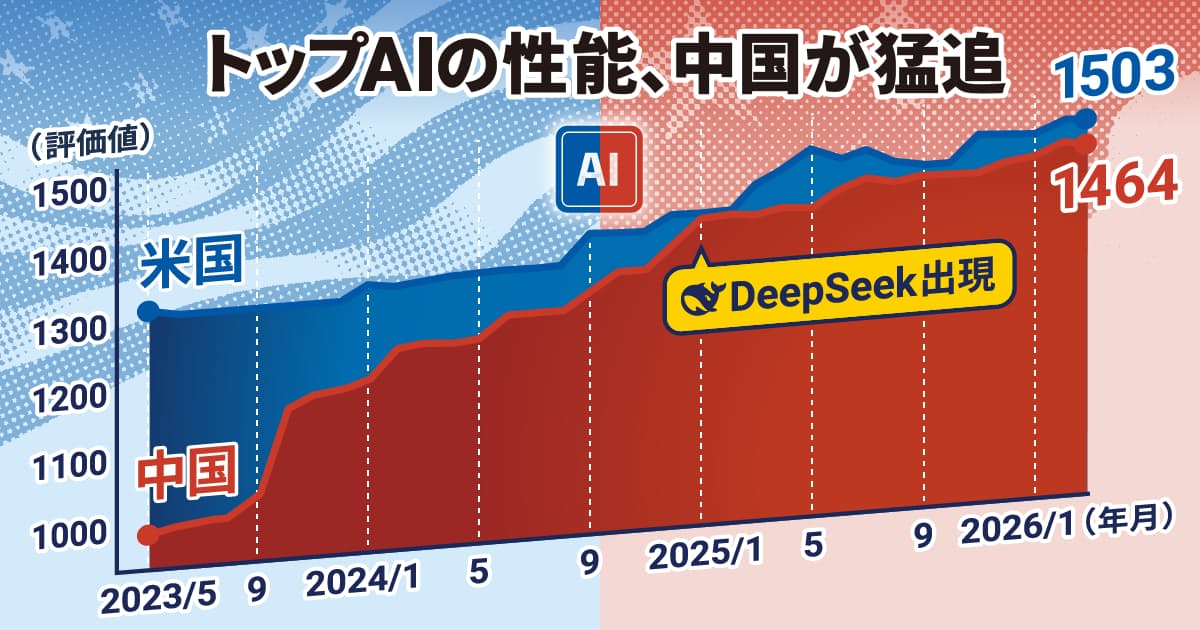
Stanford University reports that the performance gap between top US and Chinese AI models has narrowed sharply…
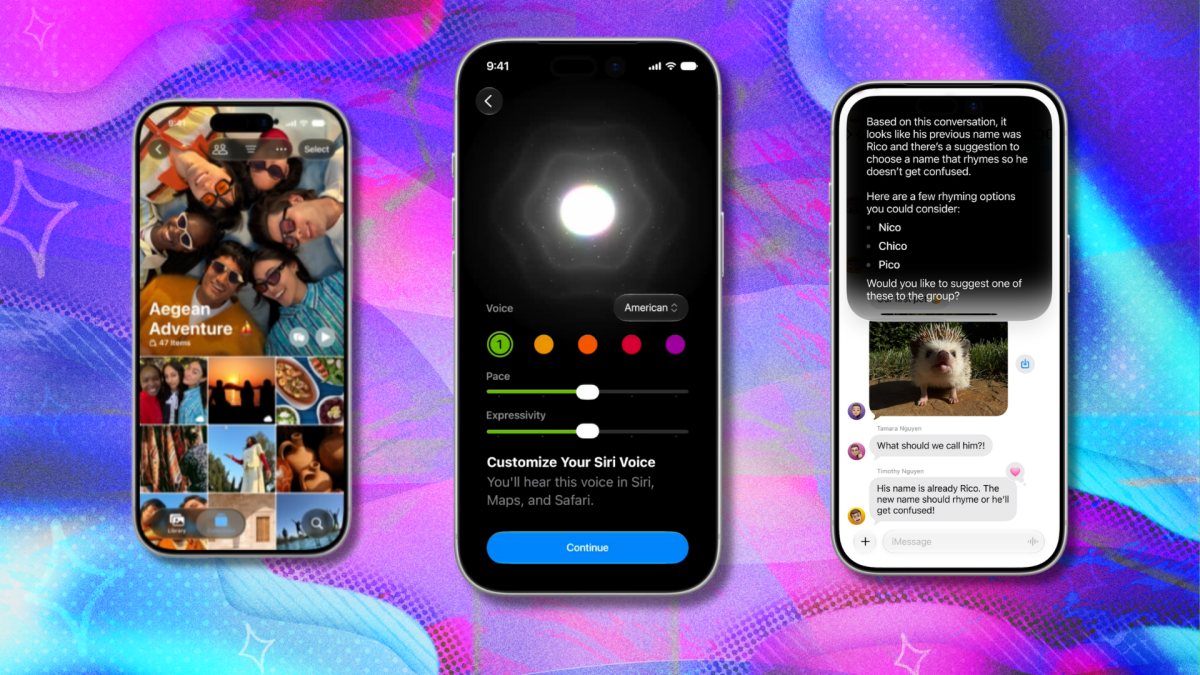
Apple is set to release iOS 27 around mid-September, likely on Sept
A new lawsuit alleges Meta turned footage captured through its AI-powered Meta Glasses into training data for…