What happened
The author registered a memo server in Claude Code with "claude mcp add memo -- node /path/to/memo-mcp.mjs", then built the same save_memo and list_memos tools twice — without the SDK (60 lines) and with the official @modelcontextprotocol/sdk (36 lines) — and both worked identically.
Why it matters
MCP servers are not always something you host and keep running; Claude Code starts the script alongside itself and talks to it over stdio, which lowers the bar for turning ordinary scripts into tools Claude can call.
Summaries like this, in your inbox every morning.
The distinction between skills and MCP comes from inspecting actual requests. A skill's Markdown body is not sent up front — only its name and description appear in the first request, and the body enters the conversation when Claude invokes it through the Skill tool. An MCP server instead contributes tool definitions and a server-level instructions block near the start of the conversation, which is where you say when this server's tools should be used.
The difference the author considers decisive is who controls what happens after a tool is chosen. With a skill and a script, Claude assembles the command line and can change options, edit the script, or skip it and call the API with curl. With an MCP tool, Claude decides only whether to use it; the JSON Schema and the code constrain the rest. The checklist feature in the author's macOS app tanacode is the example: decisions can only be added, or revoked with a reason, and an attempt to rewrite a card is refused by the app's code. That places MCP between skills, where Claude decides both when and what, and hooks or workflows, where the code decides both.
The concerns behind MCP's name are answered with a log from the memo server showing startup, initialize, tools/list, two tool calls, and the shutdown signal. The author settles on a rule of thumb: skills for procedures and conventions, MCP for operations whose result must be guaranteed — and notes that the two can be combined, putting capability in MCP and long sequencing instructions in a skill to keep the everyday context small.
Pick your industry and the AI tools you use, and get news related to your work every day.
Free · 30 seconds with Google · unsubscribe anytimeWhat is AIToday? →
Ask AI anything about this article. The AI reads this article, earlier AIToday articles, and Wikipedia, and cites its sources. Q&As are published on this page for other readers too.
Circlia started a proof-of-concept for TASTE SIGNAL: visitors to Holland Village Cafe FUKUOKA taste cookies an…

In a webinar hosted by French Mathematical Society president Isabelle Gallagher, Fields Medal winner Hugo Dumi…

NVIDIA released Nemotron 3.5 Super VL, an open-weight model with 120 billion parameters that handles text, ima…

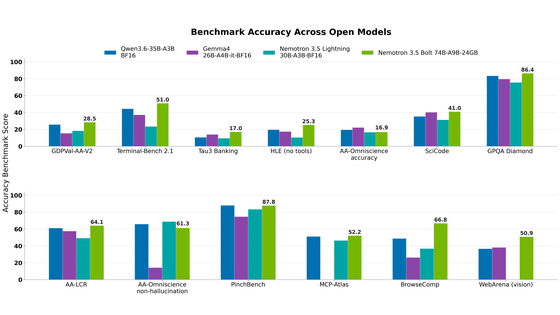
NVIDIA released Nemotron 3.5 Bolt 74B-A9B 24GB, an AI model for local agents that hits over 80 tokens per seco…
NVIDIA published a blog post titled "AI Security Is an Engineering Problem - How to Solve It at Every Layer of…

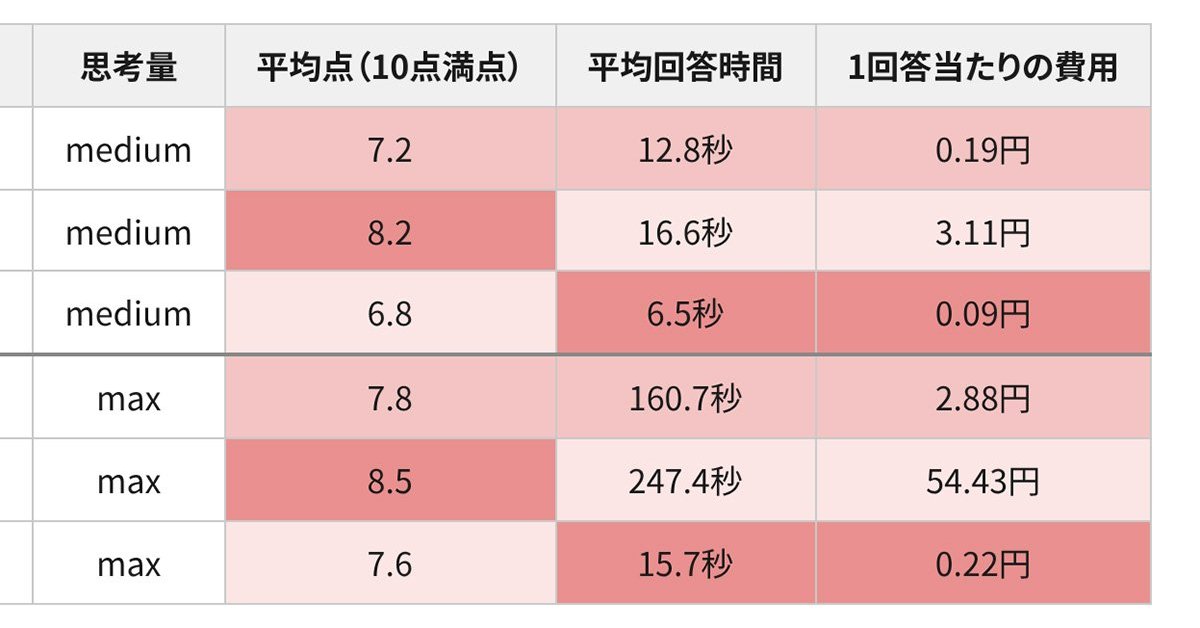
In the test, Haiku 5.5 on medium setting averaged scores close to Sonnet 5.5 on routine documents at about 1/1…