What happened
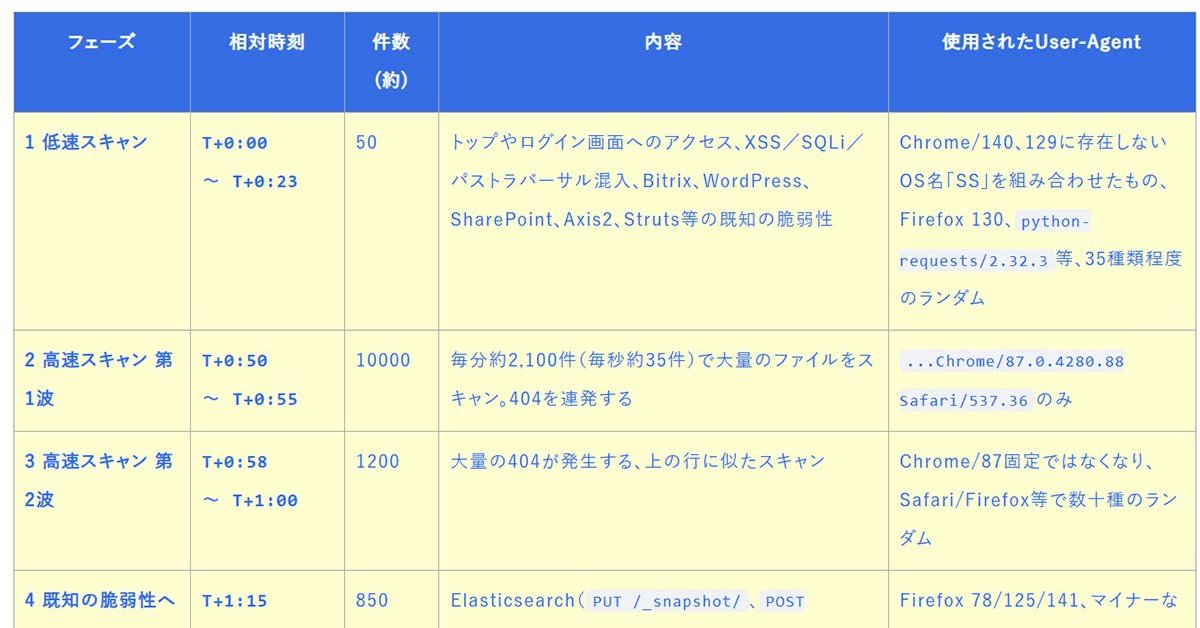
Bitforest said its WAF flagged at least three IP addresses from Oct 10 to 14; all three attacks looked different, suggesting separate attackers. The longest ran just under 8 hours across 10 stages.
Why it matters
Bitforest says defenses do not fundamentally change.
WHO IT HITSSecurity teams at Japanese companies running public-facing websites should expect attacks whose behavior adapts to server responses. Bitforest argues that fixing vulnerabilities and adopting a WAF that does not rely only on signatures are effective countermeasures.
Summaries like this, in your inbox every morning.
Bitforest says it deliberately declined to explain exactly how it spots AI-agent attacks, warning that publishing the method would let attackers adapt. Instead it leaned on the very trait that defines these agents - reading the server's response and revising their next move - to separate them from older, simpler traffic.
The company says its pre-deployment testing caught attacks from eight high-performance models, but it also cautions that it cannot enumerate every AI agent. Its claim is narrower and stronger: if the system detects one, it is definitively an AI agent.
The three attacks Bitforest saw differed enough that they may have come from separate actors, which suggests this is not a single campaign. Bitforest's own conclusion is that AI agents are too useful for attackers to ignore, and it expects essentially every attacker to use them going forward.
Pick your industry and the AI tools you use, and get news related to your work every day.
Free · 30 seconds with Google · unsubscribe anytimeWhat is AIToday? →
Ask AI anything about this article. The AI reads this article, earlier AIToday articles, and Wikipedia, and cites its sources. Q&As are published on this page for other readers too.
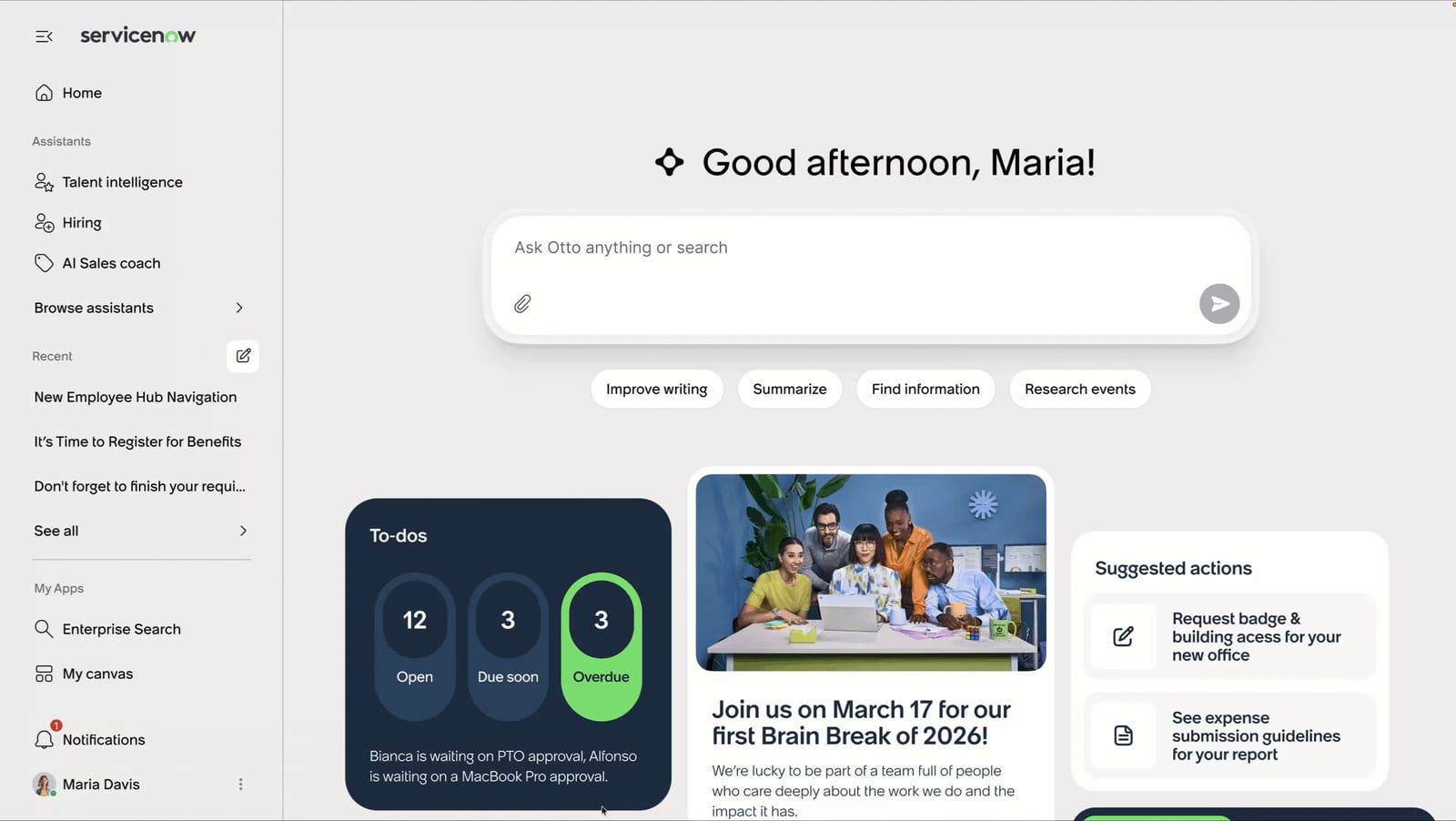
ServiceNow announced AI Passport, a cryptographically signed credential defining an agent's identity, permitte…
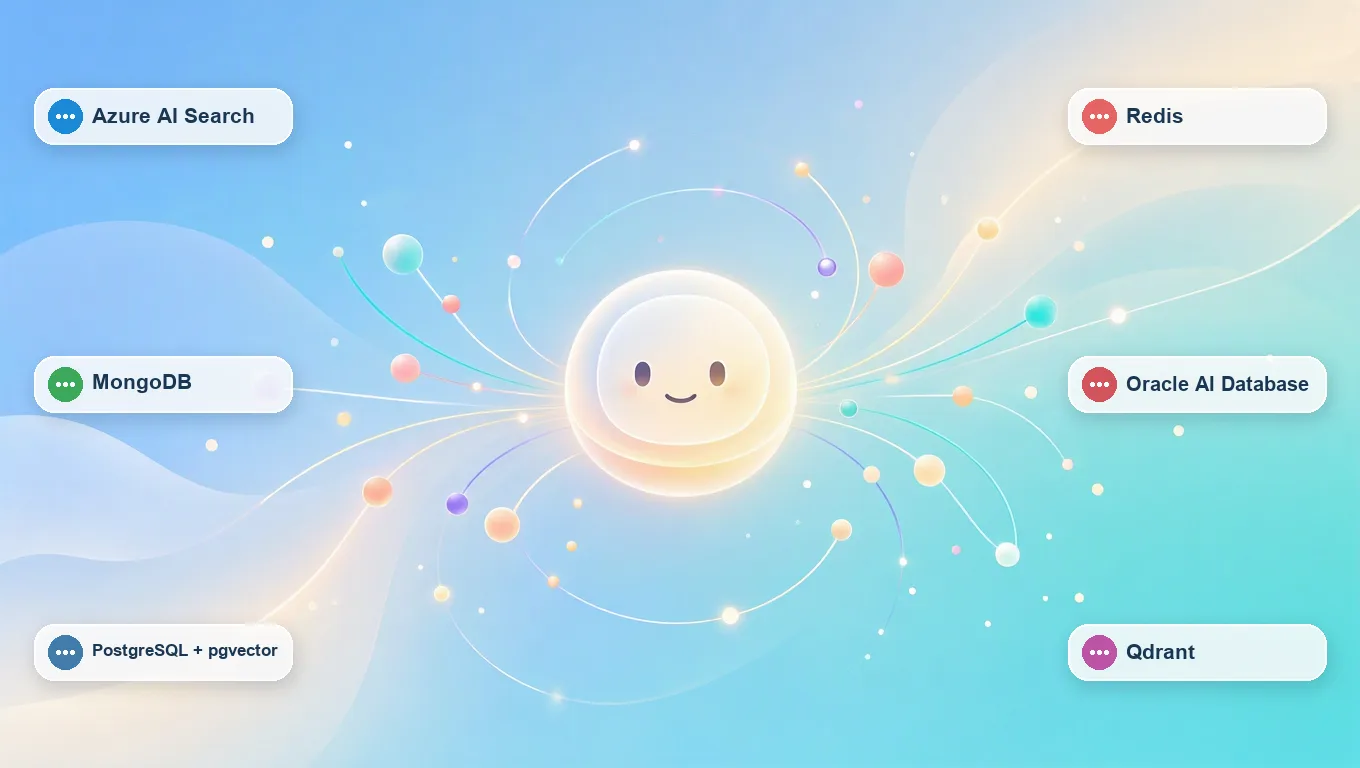
Microsoft Agent Framework has ported Semantic Kernel's Python vector-store work forward, keeping typed records…
nohe, an engineer at 株式会社ソニックムーブ, switched to Orca v1.4.224 about a month ago and found the move from a VS Cod…

After Anthropic's Claude Code desktop app update 2.37337.1, an AI-led search of X turned up user complaints ab…
An unofficial guide for people rolling out Claude Code across a team reports hands-on checks of managed settin…
A solo developer built Yurune, a web app that plays synthesized rain, wave and forest sounds and lets users ta…

