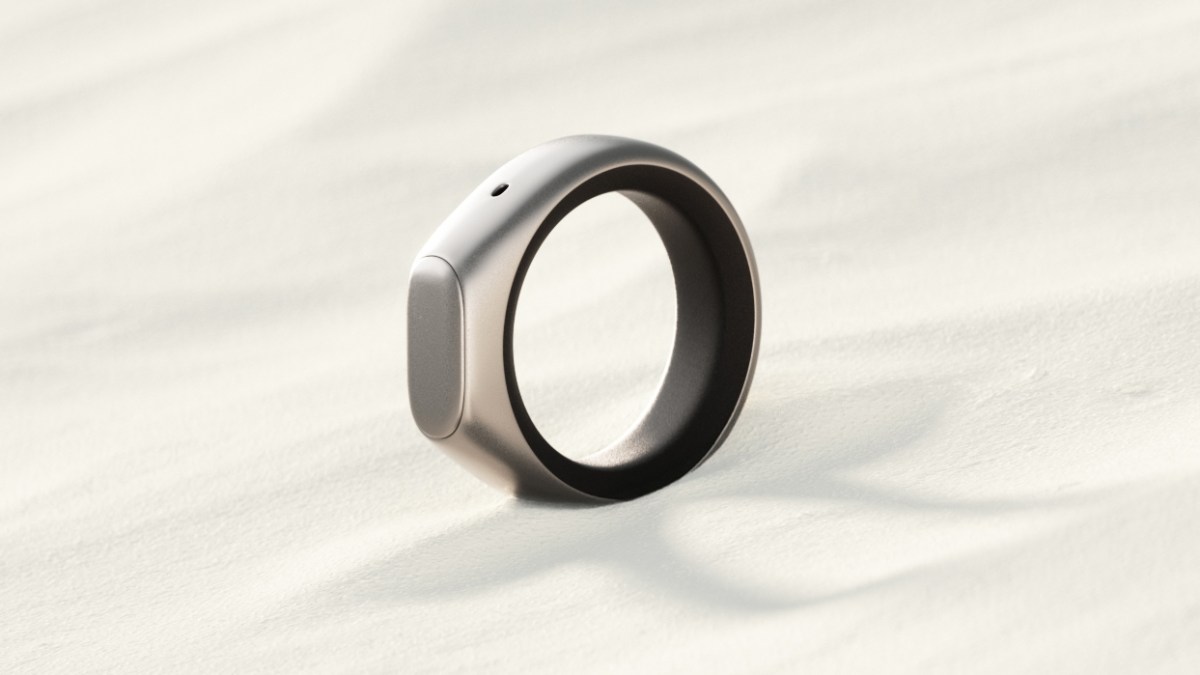
What happened
Sandbar, maker of the voice-enabled ring Stream, raised $36 million to date, including a $23 million Series A led by Adjacent and Kindred Ventures. The company's CEO Mina Fahmi discussed the product's design philosophy in a TechCrunch Equity podcast episode.
Why it matters
Many voice hardware devices have struggled to gain traction. Fahmi argues that keeping humans firmly in control—through a push-to-talk design rather than always-on listening—is key to social acceptability and avoiding the graveyard of failed AI wearables. This design choice signals a different bet on what mainstream users will actually adopt.
What to watch
Fahmi's experience at CTRL-labs (the neural interface startup Meta acquired in 2019) shaped his thinking on human-driven input. Sandbar chose the "gruelingly painful" path of building fully custom hardware instead of reskinning an off-the-shelf device—a bet on whether that differentiation can help Stream break out of tech-enthusiast circles into the mainstream.
Summaries like this, in your inbox every morning.
The voice hardware market has seen a wave of recent entrants—credit-card-sized devices, pendants, pins, and transcribing earbuds—all designed to capture meetings and stray thoughts. Despite this activity, many devices have failed to gain traction, suggesting that hardware form factor alone is not enough to ensure adoption. Sandbar's bet centers on a design philosophy: that social acceptability and user control matter more than always-on convenience. By making Stream push-to-talk rather than always-listening, Fahmi is explicitly choosing friction in exchange for what he believes will feel less intrusive to the wearer and those around them.
Fahmi's prior work at CTRL-labs—a neural interface startup that Meta acquired—likely exposed him to early thinking about direct human-computer input and the importance of user agency in adoption decisions. His decision to build fully custom hardware rather than reskin an off-the-shelf device suggests Sandbar is betting that differentiation at the hardware level, combined with its design philosophy, is necessary to break wearable voice technology out of the tech-enthusiast niche and into mainstream use.
Pick your industry and the AI tools you use, and get news related to your work every day.
Free · 30 seconds with Google · unsubscribe anytimeWhat is AIToday? →
Ask AI anything about this article. The AI reads this article, earlier AIToday articles, and Wikipedia, and cites its sources. Q&As are published on this page for other readers too.
In Q2, billionaires or their funds sold six 'Magnificent Seven' AI stocks
Nvidia was rising early Friday, even as the wider chip sector kept falling, Barron's reported
ElevenLabs completed a $300 million employee tender at a $22 billion valuation, and co-founder Mati Staniszews…

On October 15, OpenAI announced the Rosalind Academic Plan, giving approved US university labs free access to…

Neostellar Capital principal Evan Schlossman said CoreWeave's $103.7 billion in remaining performance obligati…

Supermicro Computer appointed Mark Long as chief financial officer, bringing an experienced technology finance…