What happened
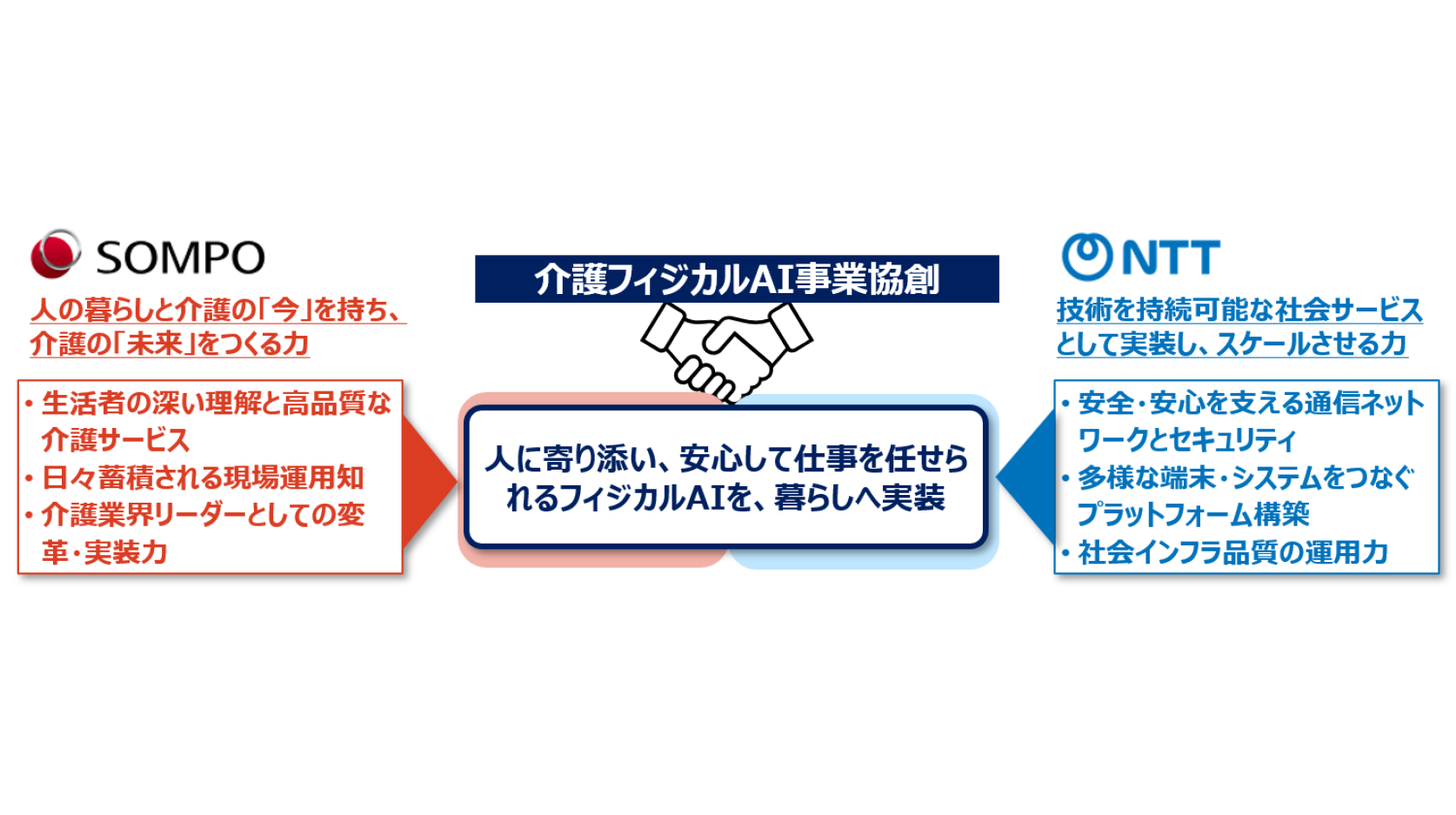
SOMPOホールディングス and NTT signed a partnership agreement on 2026年11月11日 to push physical AI into nursing care, starting with indirect tasks like cleaning, laundry, and meal delivery.
Why it matters
The tie-up pairs S O M P O's care-site operating know-how with NTT's secure networks and platform-building, aiming at a labor shortage that is expected to worsen as Japan ages.
WHO IT HITSJapan's nursing-care operators and their staff stand to be affected first, as the partners target indirect chores rather than direct bodily assistance; care workers and facility managers would be the ones integrating such systems into daily operations.
Summaries like this, every morning.
The agreement rests on a straightforward division of labor. SOMPOホールディングス, which runs care services, supplies knowledge of how care sites actually operate and how service quality is maintained, while NTT supplies the communications, security, and platform layer needed to connect cameras, sensors, and robots. The release frames physical AI broadly — cameras, sensors, robots, and the systems linking them — which suggests the partners see the challenge as much organizational as technical.
That framing carries into the stated work plan. Before any deployment, the two companies intend to sort care-site problems and priority use cases, then examine how operations and services should be designed around humans working alongside physical AI, and how to move from research and demonstration through introduction, operation, and continuous improvement to a business. Safety, stable operation in living spaces, data handling, maintenance, and security are named as things that must be arranged together, not after the fact.
The choice to start with indirect chores is notable. By setting aside direct bodily assistance to care recipients at the outset, the partners appear to be targeting tasks that are easier to standardize and demonstrate — a reading consistent with the release's emphasis on building a model that can be deployed socially and then extended to other care operators and daily-life settings.
Pick your industry and the AI tools you use, and get news related to your work every day.
Free · 30 seconds with Google · unsubscribe anytimeWhat is AIToday? →
Ask AI anything about this article. The AI reads this article, earlier AIToday articles, and Wikipedia, and cites its sources. Q&As are published on this page for other readers too.
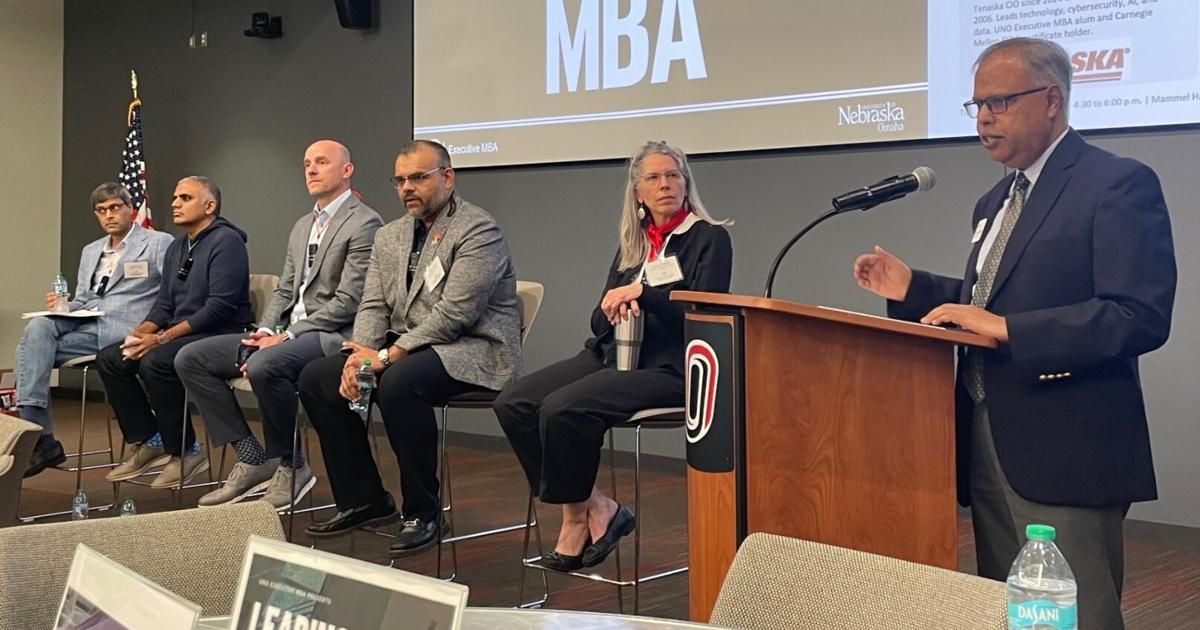
Omaha companies, including Union Pacific with its 'Rita' tool and others using Copilot, shared how they are ad…
The FDA cleared the IND for Biolojic Design's BD200, an AI-designed bispecific antibody-drug conjugate whose a…

OpenAI agreed to acquire Odessia, an AI trip-planning engine that sits between travelers and booking platforms…

ServiceNow launched its Autonomous CRM Engine, which uses AI to analyze existing CRM setups and automate workf…
Merck raised its full-year 2026 revenue forecast to between €21.5bn and €21.9bn, up from €21.0bn to €21.8bn, a…

Nvidia fell 26% and AMD 15% over the past month, yet Nvidia trades at a significantly cheaper valuation, and i…