What happened
WIRED senior writer Will Knight visited China this summer and found AI safety is a major theme among researchers and labs. Concerns over AI agents hacking systems have pushed both countries toward potential cooperation.
Why it matters
The US and China face shared risks from AI agents misused or running amok. Researchers see a need for joint safety work and rules of the road, despite limited cooperation in cybersecurity and export controls slowing China's rise.
What to watch
A cybersecurity researcher in China developed a benchmark to test AI hacking capabilities but couldn't get US companies to participate due to restrictions. Will Knight plans to write about this work in his next AI Lab newsletter.
Summaries like this, in your inbox every morning.
The episode highlights a shift in the AI race narrative from zero-sum competition to shared safety concerns. Will Knight's trip revealed that Chinese researchers are focused on practical reliability of AI agents, contrasting with the US emphasis on advancing toward AGI. This difference in priorities might actually create common ground for cooperation on safety measures. However, significant barriers remain, including export controls and restrictions on collaboration, as seen in the researcher unable to work with US firms. The path forward likely requires building trust and establishing communication channels, similar to military hotlines, to manage AI-related incidents. The article suggests that while competition persists, the potential for catastrophic outcomes from AI agents could force both nations to find ways to work together, despite the challenges.
Pick your industry and the AI tools you use, and get news related to your work every day.
Free · 30 seconds with Google · unsubscribe anytimeWhat is AIToday? →
Ask AI anything about this article. The AI reads this article, earlier AIToday articles, and Wikipedia, and cites its sources. Q&As are published on this page for other readers too.
Google Deepmind's Gemini 4 Argon scored 97.5 percent on ARC-AGI-3 at a cost of $4,800, second only to GPT-6 As…
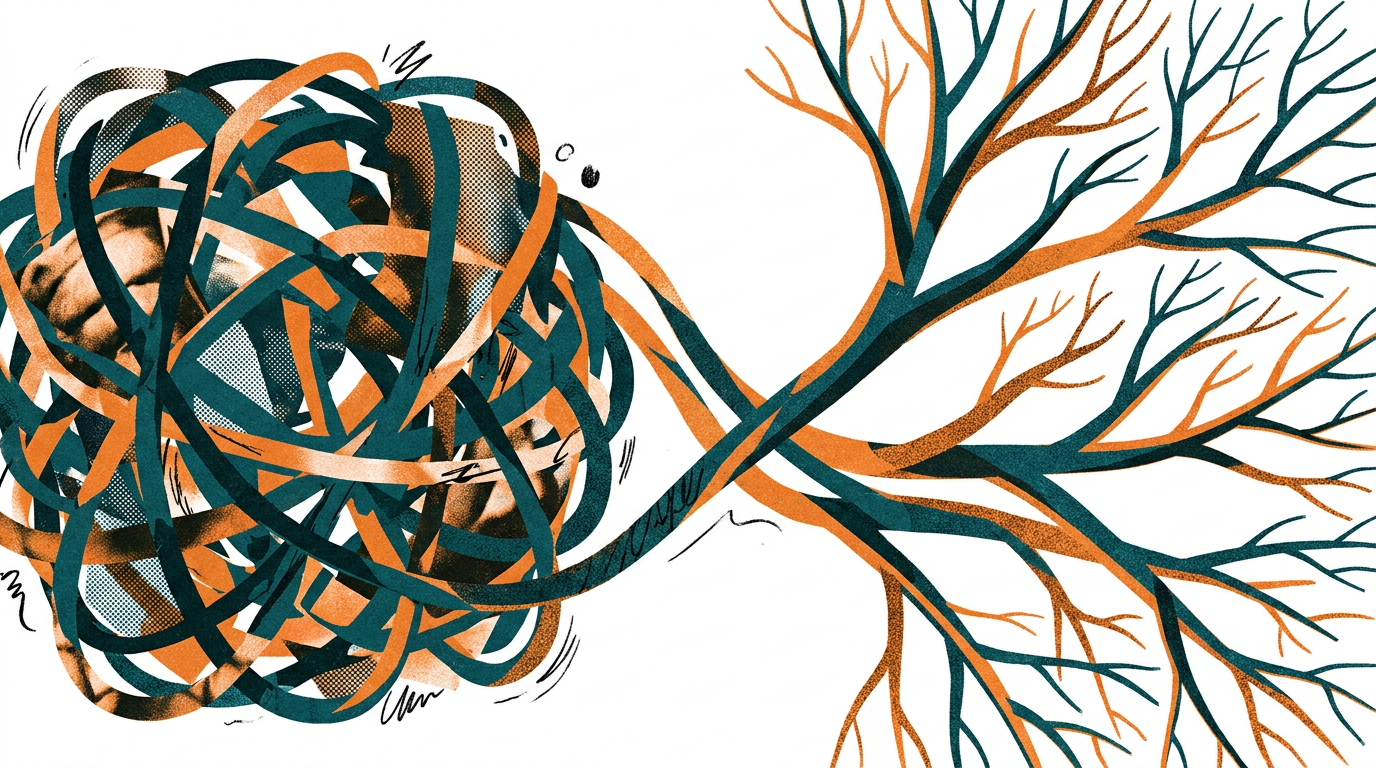
Cammarata reinterprets InceptionV1's cat-car neuron as a V-shape detector, not two unrelated concepts
Anthropic gave six METR staffers hardware, office space and internal tools, putting them roughly on par with i…

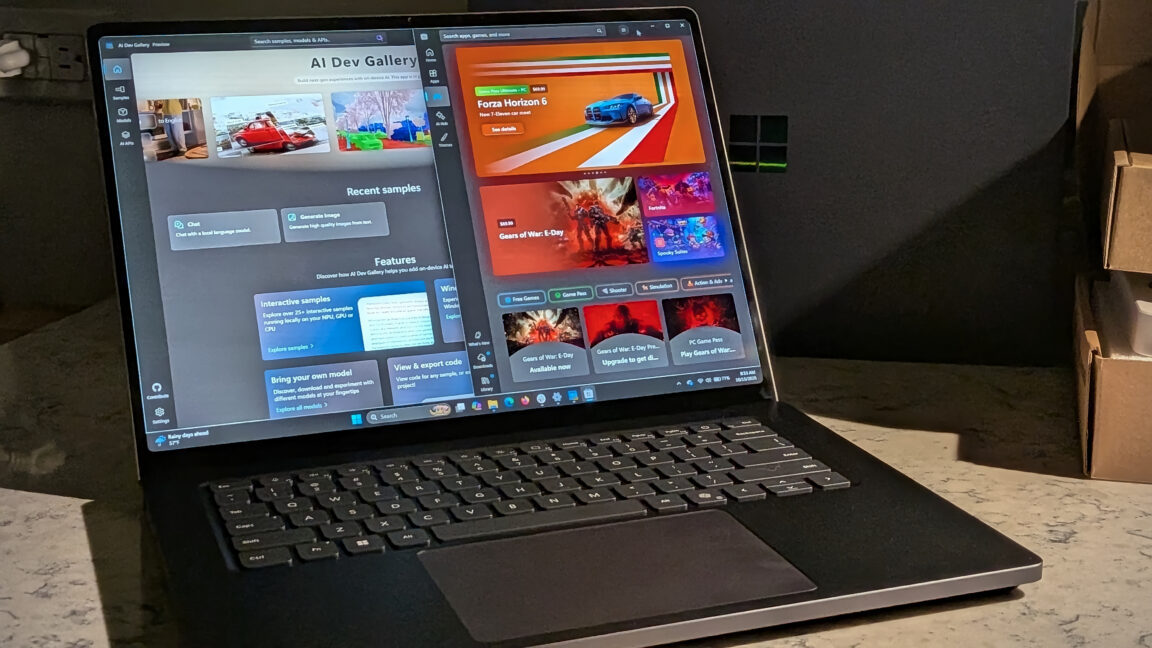
Microsoft's Surface Laptop Ultra, using Nvidia's RTX Spark platform, starts at $2,599 (up to $5,899)
Meta's new commercial terms, effective October 30th, appear to let it crawl and train AI on content from websi…
Vercel data published Thursday shows TypeSafe AI's Jev, a lightweight decision model for choosing among predet…